






 Portuguese
  Spanish


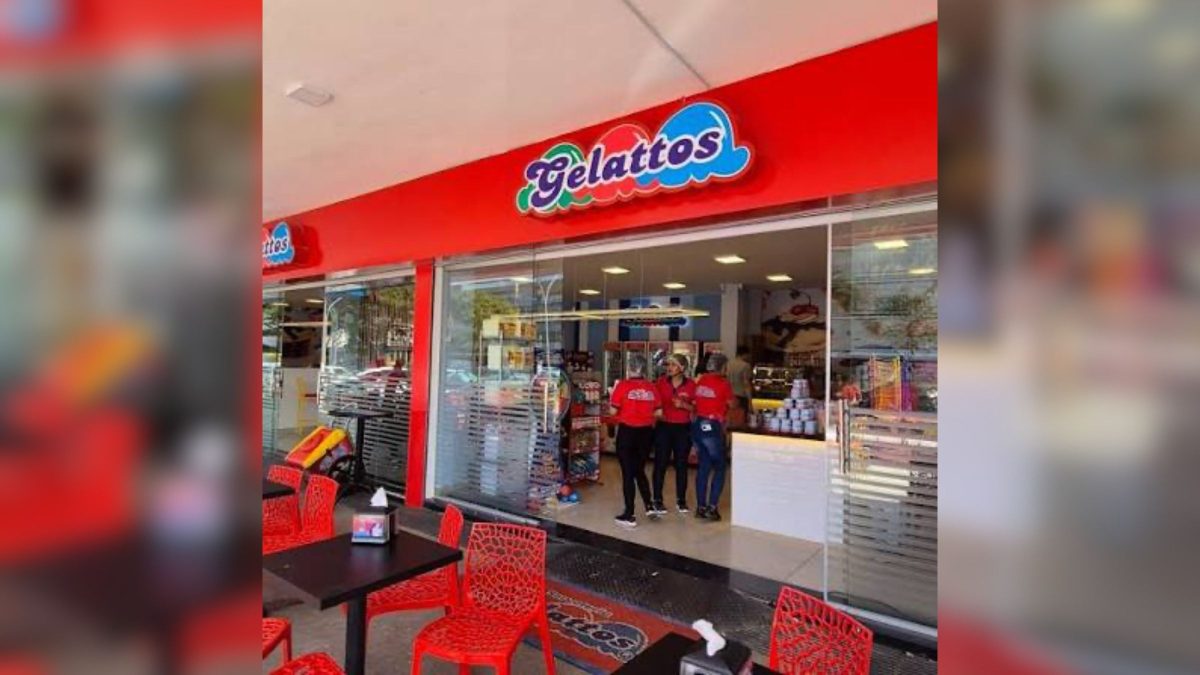
Célio Reis founded Gelattos 28 years ago in a 39-square-meter store in Brasília, today it totals 1,500 points of sale in three states and even uses the World Cup to sell ice cream in winter
The businessman from Goiás, Célio Reis, experienced in 2020 the nightmare of any ice cream shop owner: the pandemic closed businesses, cash flow dwindled, and he had to lay off employees and take over the delivery truck himself to cut expenses, according to Exame, in an article from July 6, 2026. “If I let it be, it would die very quickly,” says the founder of Gelattos in the interview. The crisis is behind: today the network founded in Brasília projects to close 2026 with a revenue of R$ 100 million.
The current scale is impressive for someone who started small: outside the high season, Gelattos sells about 1.3 million popsicles per month, a number that practically doubles in summer, and the company has 32 units including own and partner stores, in addition to 1,500 points of sale in the Federal District, Goiás, and Minas Gerais, according to Exame. And the entry product still costs R$ 1.
From Morrinhos to the hotel counter: the chance that turned into an ice cream shop
Reis does not come from a family of entrepreneurs. Born in Morrinhos, in the interior of Goiás, a city he describes as limited in opportunities, he worked at the Rio Quente Resorts group and even managed a hotel of the network in Brasília, on a mission that was supposed to last 6 months and extended for 8 years, according to Exame. It was there that he met a sales representative in the ice cream sector, who offered him a partnership to buy a small store.
-
A couple living in Australia missed natural baby food from Brazil, created a brand that dominates 93% of the baby food category, and now launches a cookie and chocolate drink “without being junk” to double in size and earn R$ 360 million.

-
A Marine Corps veteran transformed a retired $5,000 school bus into a tiny home to live with her children, sold it for $50,000, and has already built dozens of other conversions on wheels.

-
At 15, he was earning R$ 8,000 per month with a Minecraft server, created a digital bank for teenagers, and now, at 28, runs an “influencer factory” of artificial intelligence that amassed 1.2 billion views in 9 months.

-
Mega-Sena of R$ 117 million becomes a police case after the winner turns off his cell phone, denies the prize, talks about only R$ 300,000, and then gives R$ 400,000 to his ex, who obtained in court the right to more than R$ 1.2 million of the winning share.





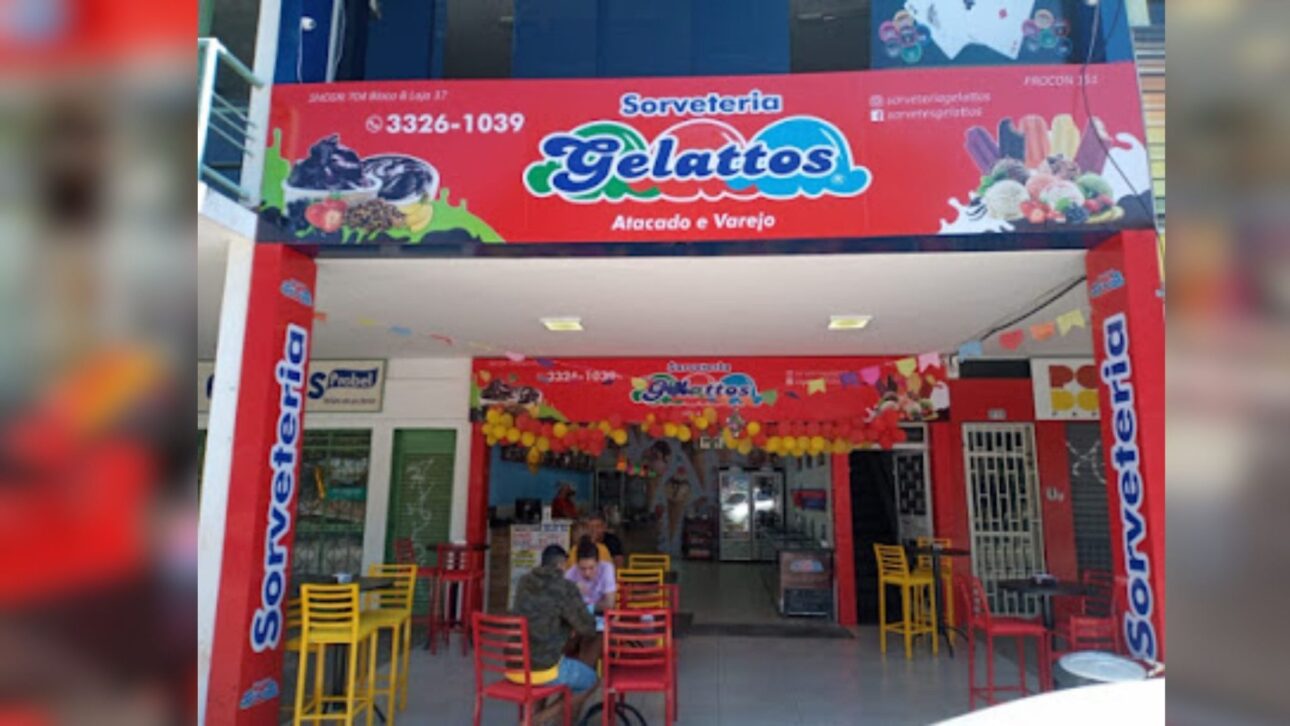
The first unit was 39 square meters, in Cruzeiro Velho, Brasília, 28 years ago. The beginning was difficult: ice cream is a business with marked seasonality, which increases the risk. Until the pandemic, the company operated with only 7 stores and a factory in the basement of a building in Asa Norte, in conditions that the founder himself classifies as complicated, still according to Exame.
The “ice cream wholesale” that was born in the middle of the crisis
The turnaround came from a model change during the pandemic. During the transition to a new factory, the company set up its first “ice cream wholesale” in front of the unit, a large volume sales format with lower prices and self-service, designed for customers who buy and take home. From that first store, five more followed in the same year, according to Exame.
The timing turned out to be perfect: people couldn’t visit stores and started stocking ice cream at home. According to ND Mais, which also told the brand’s story, the combination of low price and variety attracted the public and allowed the company to offset the lower gain per product with a massive stock turnover. The company started earning less on each popsicle and profiting from the volume.
There are 210 products, from the R$ 1 popsicle to the R$ 47.50 tub
The menu turned into an army. Gelattos maintains 210 products in line, from popsicles starting at R$ 1 to tubs reaching R$ 47.50, according to Exame. The variety is precisely the weapon against the sector’s biggest enemy, seasonality: with options for all budgets and occasions, the brand fights for the customer to appear all year round.
ND Mais summarizes the model as aggressive, based on high volume and narrow prices, and classifies the capillarity of 1,500 points of sale as enviable. For the portal, the network has transformed into a true giant of the sector, starting from a modest 39 square meter storefront.
The R$ 11 million factory that multiplied the operation by 12
Growth demanded structure. In December 2024, Gelattos inaugurated a 3,800 square meter factory, a colossal leap for those who operated in 300 meters, with an investment of R$ 11 million made largely with its own resources, according to Exame.
Part of this maturity came from outside: to prepare the new operation, the partners visited about 10 industries in São Paulo and Paraná, hired consultancy, and took courses. Reis mentions in the interview that he saw, in cities of 6,000 inhabitants, industries much larger than his, which convinced him that there was room to grow in Brasília, a city with over 3 million inhabitants and one of the highest purchasing powers in the country. “Companies from outside came to Brasília and succeeded. Why wouldn’t we, who are from Brasília, grow here?” he states to Exame. The management also changed: after about 20 years running the operation practically alone, he started sharing decisions with his partner and the partner’s brother. “By uniting three heads thinking strategies, we made this turnaround,” he says.
The 2026 World Cup became a weapon against winter
June and July are winter months in Brasília, when ice cream consumption plummets. To get through the most challenging period of the calendar, Gelattos launched 3 themed products for the 2026 World Cup and set promotional prices during Brazil’s match times in the tournament, generating R$ 174,000 in revenue between May and June 2026, according to Exame. The Brasileirinho popsicle combines mint, grenadine, and vanilla in the colors of the flag, and a tub version includes vanilla, chocomint, and blue grenadine.
The logic of limited editions spans the entire calendar: Mother’s Day, Father’s Day, Halloween, Christmas, and Independence Day receive exclusive products, almost always in limited quantities, around 3,000 to 3,500 units, to signal exclusivity. “Customers really like innovation. Sometimes it’s not even about changing the product, but changing the packaging already changes the customer’s perception,” says Reis in the report. The 2026 World Cup campaign represents about 3% of gross revenue, which, according to Exame, shows the real impact of the action: important for the cold period, but far from sustaining the business on its own.
The sector: 20,000 companies and a Brazilian who only eats ice cream in the heat
The background helps measure the achievement. The ice cream sector comprises over 20,000 businesses and sustains about 274,000 jobs in Brazil, but 92% of this universe consists of micro and small enterprises, and the per capita consumption of 7.7 liters per year still faces the cultural obstacle of associating ice cream with heat, according to Exame, which published the numbers from the national industry association.
The same report provides an overview of national taste: the ninho flavor is the best-selling in 57.7% of industries, followed by chocolate at 11.5%, and cream and Neapolitan, both at 7.7%. The growth highlight is pistachio, cited by 46.2% of companies as the flavor that advanced the most in the last season. For game days, the 2-liter tub leads the bets of 34.6% of industries. “The World Cup is the perfect scenario for the industry to demonstrate its capacity for innovation,” says Márcio Favaro, president of the association, to Exame.
The goal: R$ 100 million in 2026 and expansion beyond DF
The next steps are already outlined. Gelattos opened its first unit outside Brasília in 2026, in Unaí, Minas Gerais, and is preparing two more openings, one in Goiânia and another in a satellite city of the Federal District, with the projection of closing 2026 with a revenue of R$ 100 million, according to Exame. Reis himself describes the year as more difficult, in a scenario of tight economy and consumer indebtedness, which makes the goal even more symbolic.
ND Mais crowns the journey with a market reading: for the portal, the brand consolidates itself as a national reference that low cost, combined with extreme operational efficiency, can build empires. This newsroom’s observation, duly noted: the man who saved the company by driving a truck at dawn is now fighting to prove that ice cream is eaten all year round, even in the cold.
From a small 39 square meter shop to a giant producing 1.3 million popsicles per month, the story of Gelattos shows that low prices with sharp management is still one of the most powerful recipes in Brazilian retail. Tell us in the comments: would you buy ice cream in bulk to stock at home, or is a popsicle just a hot day treat for you?


