Portuguese
  Spanish


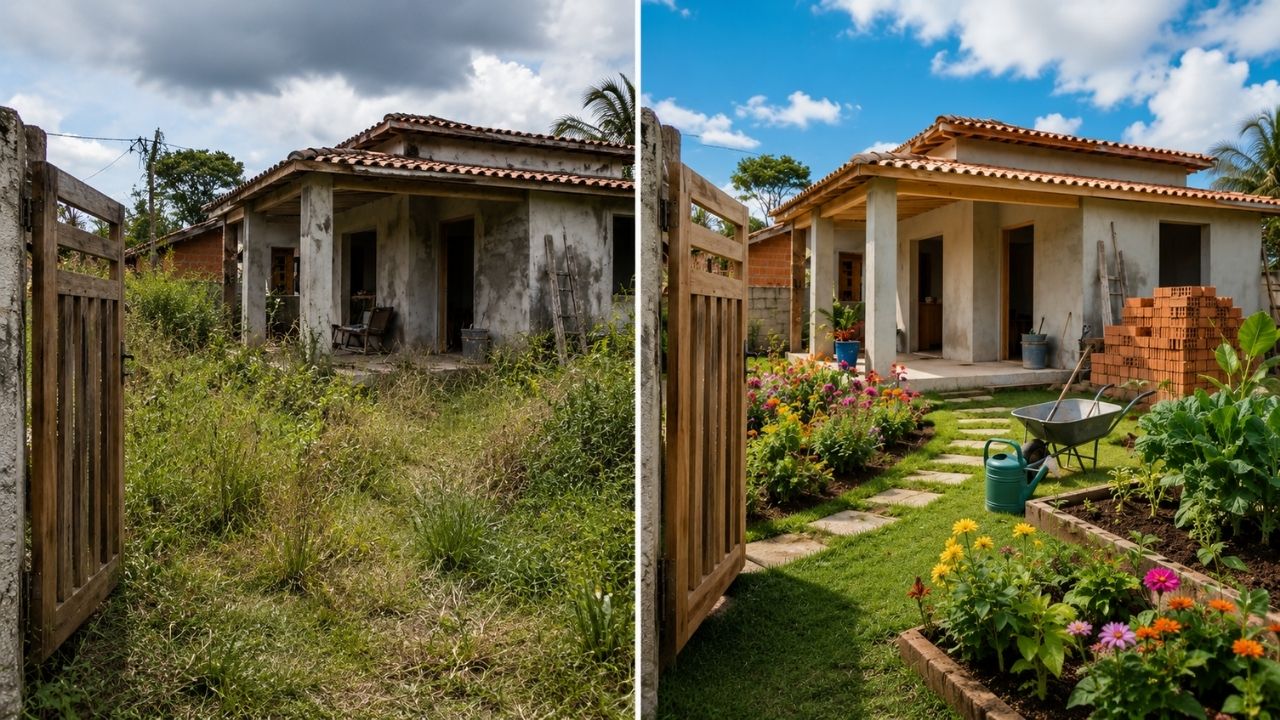


The gardener Rafael went viral by offering free landscaping to people unable to take care of their yards. In one of these approaches, he met Rosângela, mother of two autistic children, bought food for the family, and saw a Pix key generate more than R$ 45,000 to build a nearly finished new house.
The gardener Rafael, who has been working in gardening since 2017, turned simple approaches at the gate into a social project showcased on social media. In one of the visits, he offered free garden care to Rosângela, mother of two autistic children, in a Brazilian family home.
With information from the channel Ric RECORD Paraná, the story gained traction after videos of the project began circulating online, during the period when Rafael started prioritizing volunteer work as part of his professional routine. The action, which began with the garden, expanded to buying food, donations via Pix, and the construction of an almost completed house.
Approach at the gate began with distrust

Rafael’s proposal seems simple: knock on the gate, introduce himself, and offer the service of gardening without charging anything. But the reaction is not always immediate. Many residents are suspicious because it’s not common for someone to show up with equipment, a trailer, and the willingness to clean a yard for free.
-
Father of Brazilian gymnast Rebeca Andrade passes away days after her Pan American gold win

-
Brazilian Engineers Launch 292 km Power Line to Ease Energy Bottlenecks in Southern Brazil
-
Peru Installs Ocean Intake and Subsea Pipelines in the Pacific to Desalinate 34 Million Liters of Drinking Water Daily Near Lima
-
Rumo Unveils 170-Ton, 45-Meter Rail Machine with Unique Technology in Latin America to Stabilize Freight Train Tracks in Brazil


Distrust is part of the reality for those who receive the offer. At first, the person might imagine a scam, hidden charges, or some kind of interest behind the help. Therefore, Rafael usually explains that he maintains a channel on social media and that the work is voluntary.
Even so, not everyone accepts. There are houses where he needs to return more than once until he gets permission to enter, clear the weeds, reorganize the space, and transform the outdoor area.
When permission is granted, the result is usually surprising. Abandoned yards, full of weeds and uncared for years, become clean, organized gardens that are more pleasant for those living there.
Garden revealed a greater need inside the house

It was in one of these approaches that Rafael reached Rosângela. A follower had indicated her house and sent images of the garden, suggesting that the family could receive the free service.
The first gift was the landscaping, but the conversation showed that the need was greater. Upon realizing the family’s difficulty, Rafael asked about the food situation at home.
Rosângela said she was going through a difficult time. She is the mother of two autistic children, couldn’t work due to lack of someone to care for the children, and used the benefit received to pay rent, water, and electricity.
With little money left, there was a lack of food. Upon checking the cupboard, Rafael found only a small amount of rice and beans. The situation led the gardener to invite her to go shopping and stock up the house.
Buying food changed the course of the story

The trip to the market turned the action into something bigger than the garden renovation. Rosângela received food to face the tight moment, while Rafael decided to display her Pix key at the end of the video.
The family’s expectation was modest. Rosângela imagined that maybe some people would send R$ 5 or R$ 10. But the repercussion was much greater than she expected.
Donations exceeded R$ 45,000. The amount allowed her to buy a plot of land at the back of the house where she lived and start building her own home.
The help that started with a garden reached the point of transforming housing, security, and future perspective. The house was still in the finishing phase but already represented a concrete change in the family’s life.
Social media became a tool for solidarity
Rafael said he began to realize that the voluntary gardening videos had the potential to reach many people. The engagement started attracting audiences, brands, and donors interested in supporting the project.
The logic changed when he understood that he could live by helping other people. Voluntary work ceased to be just a side action and became the center of his professional routine.
In this case, social media acted as a bridge between those who needed help and those who wanted to contribute. Likes, comments, shares, and donations helped to broaden the reach of Rosângela’s story.
The case shows how the internet can go beyond exposing problems. When used responsibly, it can also mobilize resources, create support networks, and transform a situation of vulnerability into a new beginning.
Almost finished house became a symbol of hope


With the money raised, Rosângela was able to buy the land and advance in the construction of her own house. The residence still needed finishing touches, but it already represented an achievement that seemed distant before the mobilization.
For a mother facing financial difficulties and taking care of her children alone, the house meant more than walls. It symbolized stability, dignity, and the possibility of living with less insecurity.
Rafael also stated that he intends to return to create a new garden when the work is completed. Thus, the initial gesture closes a cycle: the landscaping that opened the story should return as part of the completion of the family’s new chapter.
Rosângela’s journey shows how a small action can reveal invisible needs. Sometimes, the problem that appears in the backyard is just the gateway to a much deeper reality.
The simple gesture that became a chain of help
The story of the gardener Rafael shows how a common approach at the gate can have a real impact when it meets people willing to trust, help, and share. What started as a garden cleanup ended in food, donations, and an almost finished house.
The strongest point of the story is in the sequence of small gestures. Someone pointed out the house. Rafael showed up. Rosângela accepted. People watched. Donors contributed. And a family gained a new perspective.
This type of case draws attention because it shows a practical solidarity, visible and direct. It was not just a message of support, but a material change in the life of a mother and her children.
Do you believe that simple actions, like taking care of a garden for free, can truly transform a family’s life when they gain collective support? Leave your opinion in the comments.