






 Portuguese
  Spanish


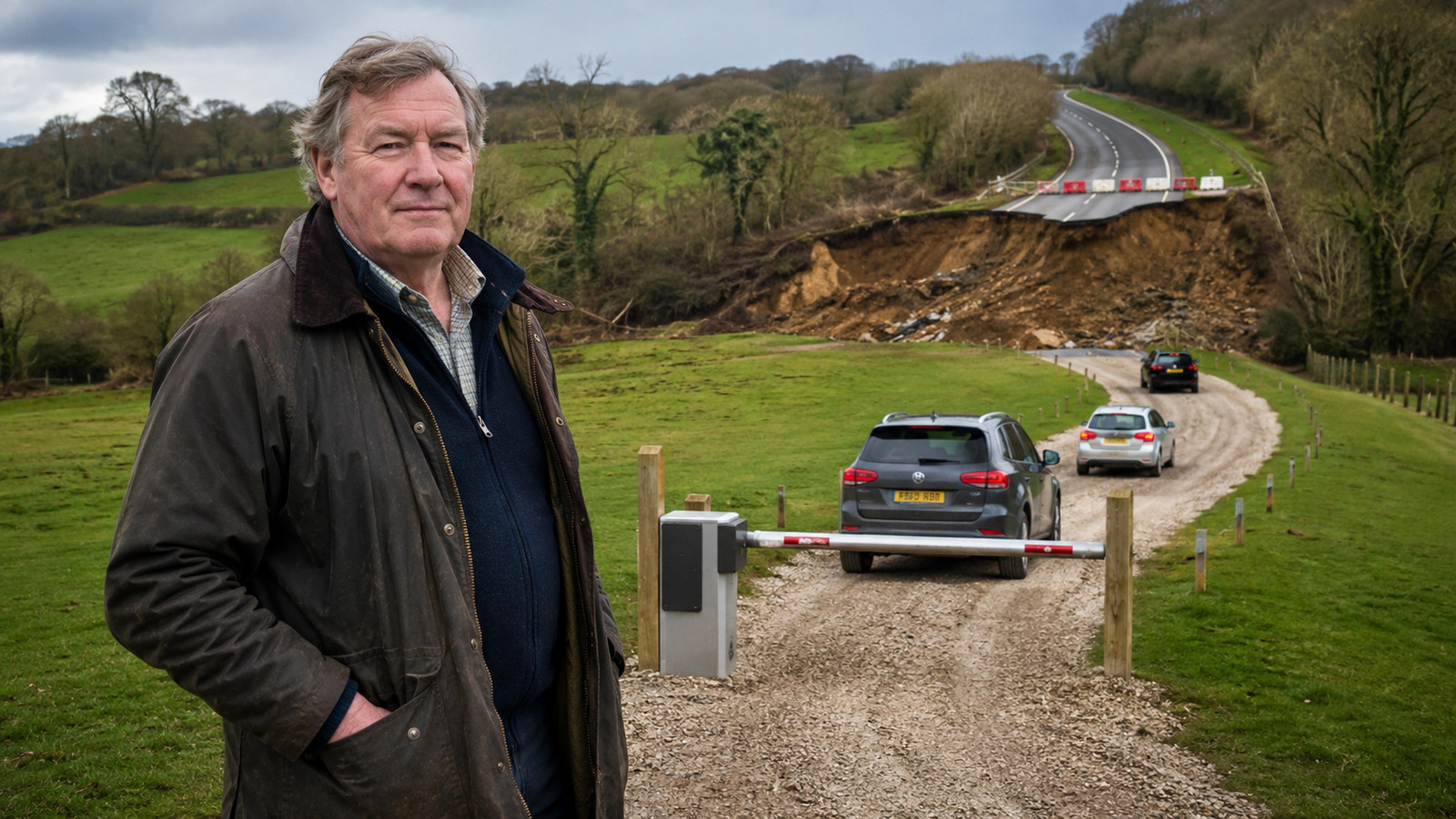

A 400-meter private toll road was built in just three days by British entrepreneur Mike Watts, then 62, after the A431, between Bristol and Bath, was closed in February 2014 due to a landslide. The construction became an alternative to the detour of up to 23 kilometers, but ended with a loss and a dispute with local authorities.
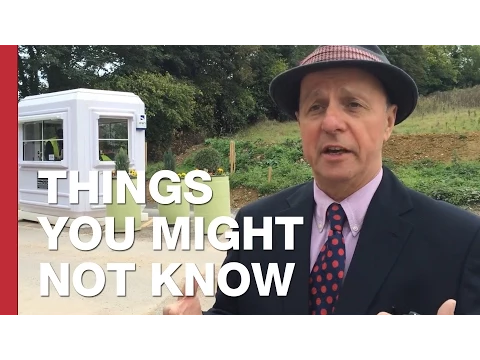

Private toll road emerged after A431 closure
The situation began when a landslide caused the ground to sink about 7 meters on the A431 road, the link between the cities of Bristol and Bath. With the risk in the section, the local council closed the road.
The official response worsened the problem for residents and traders: there would be no construction of a temporary road. In practice, villages were isolated and drivers faced a detour of up to 23 kilometers.
-
Pomodoro Technique: World’s Most Popular Study Method Boosts Focus and Learning with 25-Minute Sessions and Short Breaks

-
World’s Oldest Liquid Wine Found in 2,000-Year-Old Roman Tomb in Spain, Contained in a 5-Liter Glass Urn with Submerged Human Bones

-
Mother from Brazil’s Maranhão Creates Lactose-Free Cookie for Daughter with Cerebral Palsy, Now Producing 10 Tons Annually and Exporting to Mexico

-
Brazilian Student Turns Electric Shower Repair into Thriving Industry with 3,600 Jobs and Over $1 Billion in Revenue, Aiming to Become the “Next WEG”



It was in this scenario that Mike Watts and his wife decided to fund their own solution. The idea was to open a gravel road over a neighbor’s field, bypassing the closed section.
The road was 400 meters long and was completed in three days. The case gained attention because it became the first private toll road built in the United Kingdom in over 100 years.
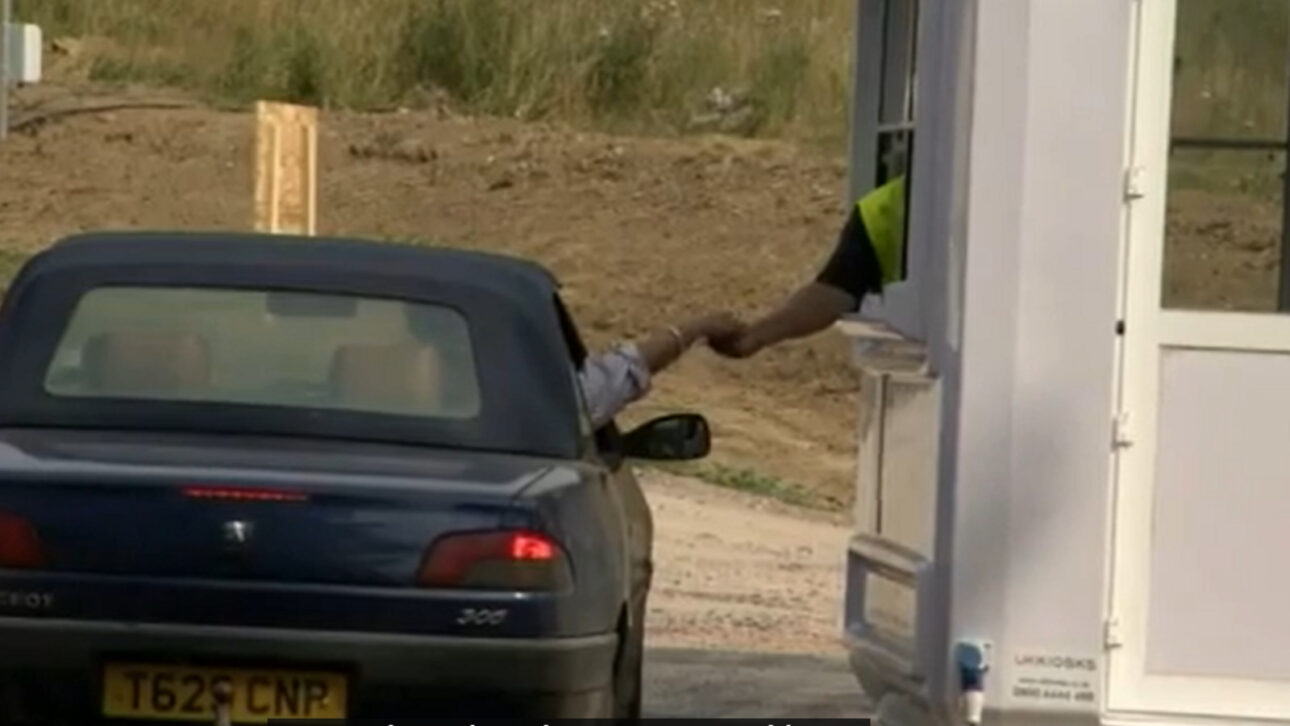
Construction cost £150,000 and charged £2 per car
The construction required an investment of £150,000, about R$ 1 million. To try to recover the money spent, Watts began charging a toll from those who used the alternative route.
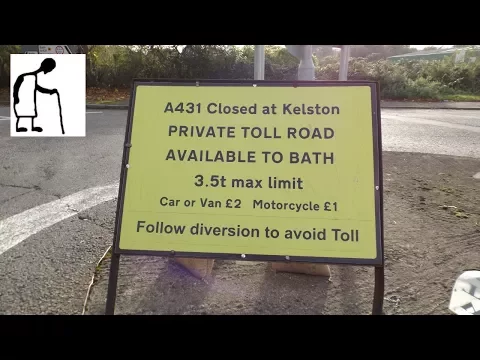
The cost was £2 per car, approximately R$ 14. For motorcycles and local residents, the charge was lower: £1, about R$ 7. Emergency vehicles could pass for free.
The budget, however, was tight. The businessman needed about 1,000 cars per day to break even on the investment made in the project.
Even so, the alternative had practical appeal for drivers. The toll was cheaper than the fuel cost for the detour of up to 23 kilometers imposed by the closure of the A431.
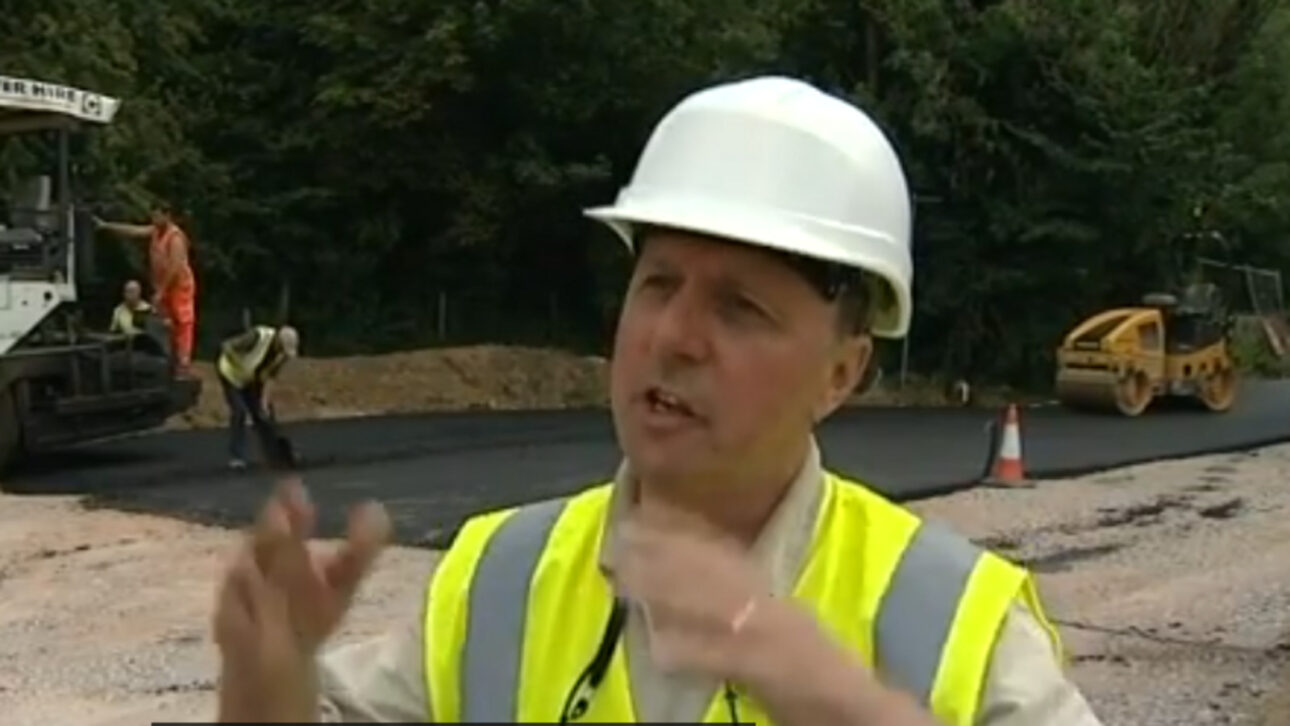
Road had 163,000 crossings but did not avoid loss
The road operated for 14 weeks and recorded about 163,000 crossings. The movement showed that there was real demand for an alternative to the long detour caused by the closure.
The problem was the timing. The A431 ended up reopening earlier than expected, four weeks sooner. As a result, the businessman could not recover all the money invested.
The final result was an estimated loss between £10,000 and £15,000, something between R$ 68,000 and R$ 102,000. The solution helped drivers and merchants, but did not balance the books for those who took the risk.
After the operation ended, the company responsible for the construction offered to dismantle the project and return the land to its field condition without charging for the service, in an attempt to reduce Watts’ loss.
City council demanded retroactive license and charged fees
The initiative also put the businessman in conflict with local authorities. Even with the road ready and operational, Watts was required to apply for a retroactive construction license.
The decision on this authorization was postponed until after the road’s closure. In the end, the permission was denied.
Additionally, the city council charged about R$ 20,000 in fees. The case highlighted the difficulty of turning a private and emergency solution into a regularized operation under local regulations.
The businessman himself summarized the experience as something unusual, since building a toll road was not simple. He took on the financial risk of an unprecedented project in the country in about a century all by himself.
In Brazil, private toll collection would take a different path
In Brazil, a similar situation would follow different rules. Roads and highways are public assets, belonging to the Union, the states, or the municipalities.
Therefore, a citizen cannot build a public road on their own and charge tolls from drivers.
Charging is only legal when the road is managed by a concessionaire chosen through bidding and supervised by a public agency.
At the federal level, this supervision involves agencies like ANTT and DNIT. In the states, the responsibility lies with the DERs.
The Federal Constitution also addresses the issue in Article 150, clause V, by allowing the collection of tolls for the use of roads maintained by the Public Authority.
What an individual can do is build a road within their own property for personal use, like an easement. What they cannot do is create a public road and charge for circulation.
When a public road is blocked or abandoned, the correct course of action in Brazil is to charge the city hall, the DER, or the DNIT. If nothing is done, the Public Prosecutor’s Office or the Public Defender’s Office can be called upon to demand action in court.
This article was prepared based on the information provided in the source material, with data, numbers, and statements preserved as per the consulted material.


