Portuguese
  Spanish


The American Holtec International and the French EDF have submitted a joint proposal to the UK government for the construction of up to four small-scale SMR-300 nuclear reactors at the site of the former Cottam power station in Nottinghamshire, northern England, in a project with a total combined capacity of 1.3 gigawatts electric, as part of the British nuclear expansion program.
The SMR-300 and the project’s technical specifications
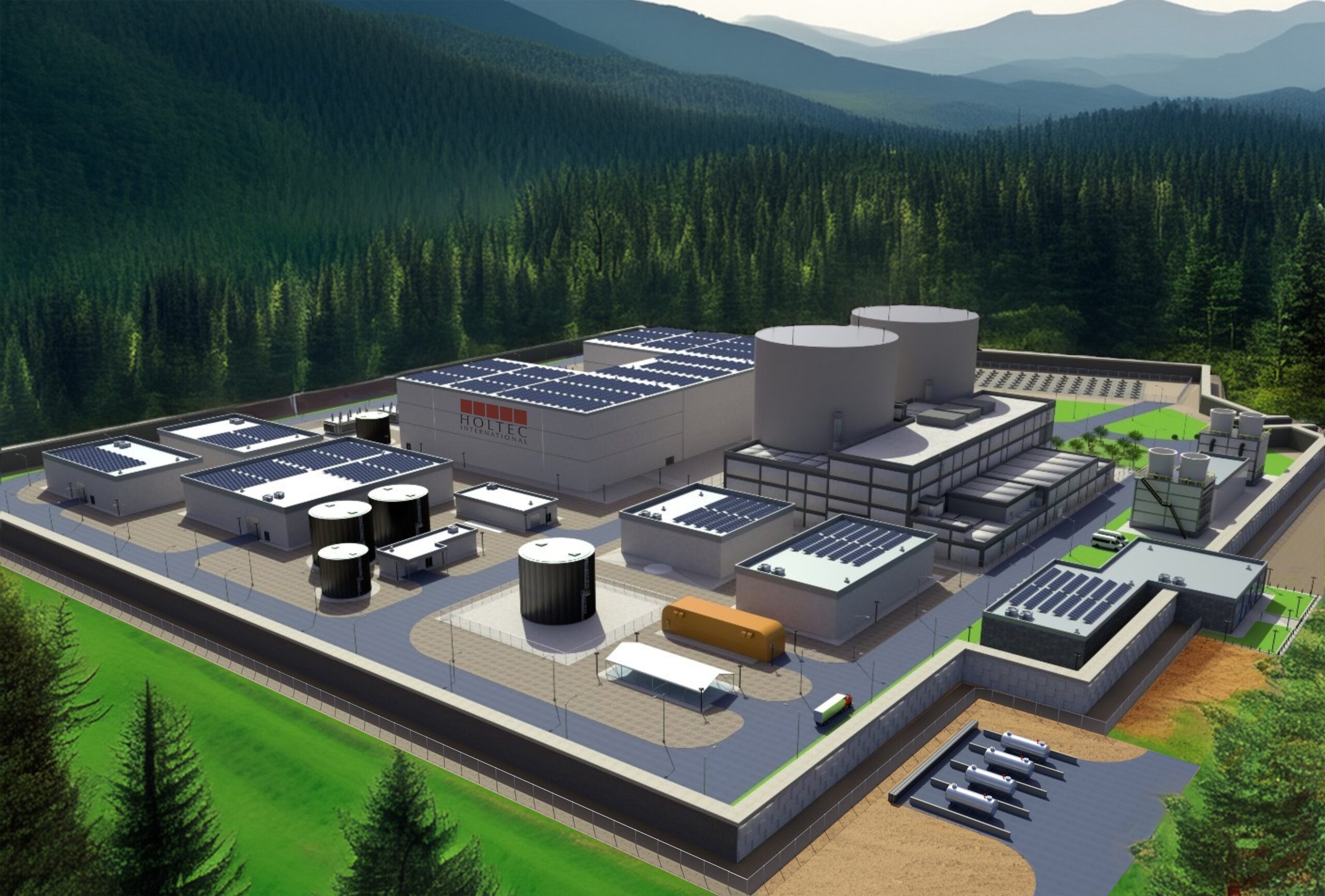
The SMR-300 is a small modular reactor developed by Holtec International, with a nominal capacity of approximately 300 megawatts electric per unit. The design uses pressurized water reactor technology with a compact module, designed for factory fabrication and on-site assembly, aiming to reduce costs and construction times compared to conventional nuclear plants.
Four reactors at the Cottam site would total 1.3 GW of installed capacity — equivalent to the electricity demand of approximately 1 million British homes. The Cottam site has existing grid connection infrastructure, a significant advantage that reduces costs and the time needed for environmental and grid licensing.
The partnership with EDF, which already operates eight nuclear plants in the UK and is responsible for the construction of the Hinkley Point C plant, provides the project with nuclear operational experience in the country and access to the supply chain licensed by the British nuclear regulator (ONR).
-
Brazil’s Angra 3 Nuclear Plant Reaches 66% Completion; Government Faces 2026 Deadline to Decide on $24 Billion Project’s Future

-
American company drills a 1,830-meter hole in Kansas using oil well technology, places a nuclear reactor inside, and claims it will generate electricity without any cooling tower.
-
Canada invests more than 2 billion dollars to upgrade an old nuclear laboratory and try to rival the world’s major atomic energy powers.
-
Nuclear company backed by Bill Gates partners with Hyundai for next-generation 345 MW nuclear reactor



The British nuclear program and the electricity sector demand
The UK has set a target for total decarbonization of the electricity sector by 2030 and has included nuclear energy as a pillar of the transition, alongside offshore wind and solar. The British government created the Great British Nuclear (GBN) to coordinate the development of new nuclear projects, focusing on SMRs as a faster alternative to deploying than large conventional reactors.
Electricity demand in the UK is increasing due to the electrification of transport and residential heating, as well as the expansion of data centers. The existing nuclear plants in the country are in a gradual decommissioning process, with the Hinkley Point C reactors representing the only new large plant under construction until 2026.
The Cottam proposal competes with other SMR projects submitted to the British selection process, including the Rolls-Royce SMR (470 MW per unit), which announced a partnership with Videberg Kraft for three reactors in Sweden and planned the opening of a manufacturing center in Derby in the fourth quarter of 2026.
Approval process and next steps
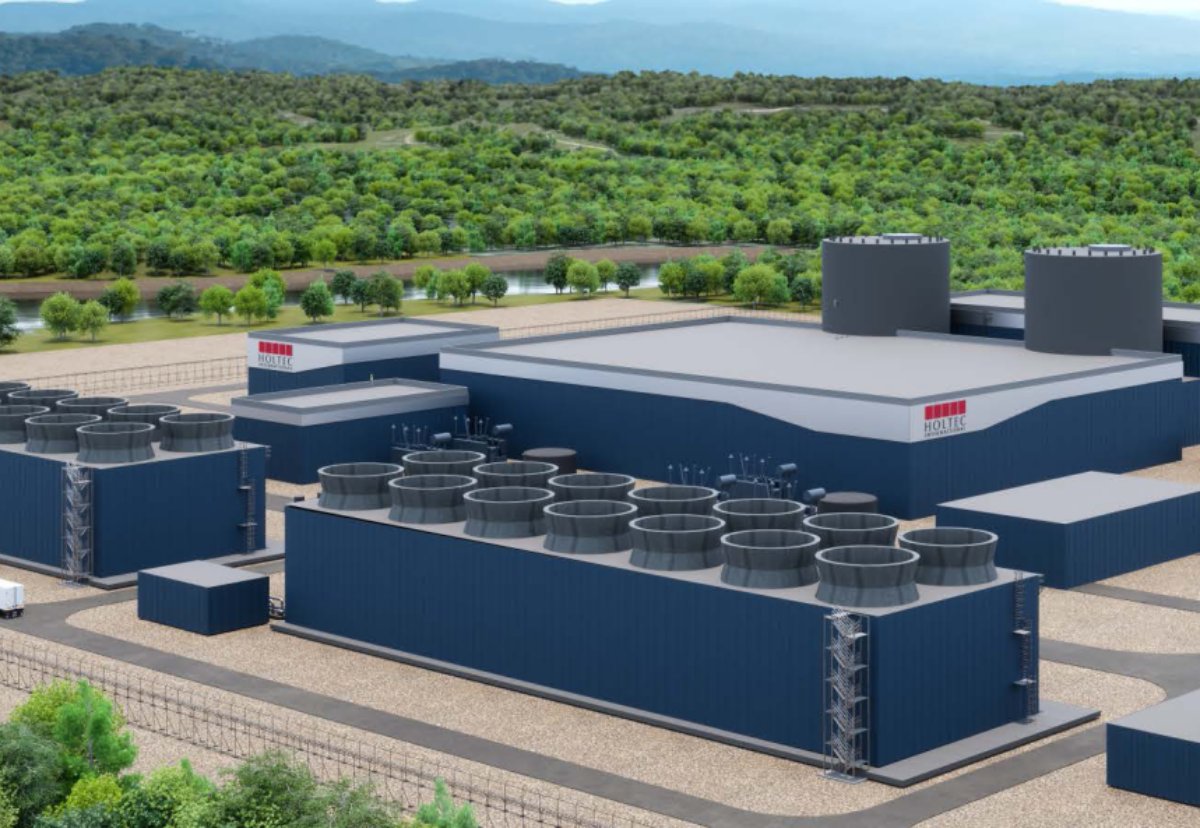
The approval of the Cottam project depends on the assessment by the British government within the GBN process, followed by technical licensing by the ONR and the Environment Agency. The regulatory approval process for new nuclear projects in the UK can take between five and ten years.
Holtec International is also developing the SMR-300 reactor for other markets, with projects under evaluation in Canada, Poland, and the Czech Republic. In the United States, Kairos Power began construction of the Hermes demonstration reactor in Oak Ridge, Tennessee in 2025 — the first demonstration nuclear reactor licensed by the American NRC in over 50 years.
The global SMR market attracted increasing investments in 2025 and 2026, driven by the demand from artificial intelligence data centers and the pursuit of carbon-free base power generation.
Brazil’s position in the international nuclear context
Brazil operates the Angra 1 and Angra 2 plants and is constructing Angra 3 in the state of Rio de Janeiro. Eletronuclear is monitoring the development of international SMRs and has evaluated proposals from different manufacturers, including GE Vernova Hitachi with the BWRX-300, as an alternative to new large conventional reactors. The Brazilian energy sector is debating the role of nuclear in the expansion of installed capacity planned for the next decade.
The growing demand for base electricity, resulting from the electrification of industry and the advancement of artificial intelligence data centers in Brazil, reinforces the strategic interest in nuclear as a complement to intermittent sources, such as solar and wind, which already represent a significant portion of the Brazilian electricity matrix.