






 Portuguese
  Spanish


In São Luís, Maranhão, Ana Luzia Alhadeff started with R$ 300 to make at home a lactose-free cookie for her daughter, who is lactose intolerant, and turned the recipe into the brand Doce Pedaço, which now produces 10 tons per year and already exports to Mexico.
Some businesses are born on the home stove and conquer the world. This is the case of Doce Pedaço, a lactose-free cookie brand created by Ana Luzia Alhadeff in São Luís, Maranhão. What started as a homemade recipe, made for her daughter, who is lactose intolerant, turned into a factory that produces about 10 tons of cookies per year. And the most surprising: the lactose-free cookie from Maranhão has already crossed the border and reached Mexico.
The story was told by Exame, which showed how the entrepreneur went from R$ 300 in capital to a business that earns about R$ 220,000 per year. It all started in 2015, with a plastic bowl, a wooden spoon, and an oven, and grew into a brand in the process of exporting. From kitchen recipe to a product that ends up on shelves abroad, Doce Pedaço is proof that you can scale from zero.
The lactose-free cookie that was born from passion fruit
The heart of the business is an out-of-the-ordinary product. To create a lactose-free cookie that truly had flavor, Ana Luzia bet on a typically Brazilian ingredient: passion fruit, used for the acidity that gives texture and taste to the recipe.
-
Brazilian Student Turns Electric Shower Repair into Thriving Industry with 3,600 Jobs and Over $1 Billion in Revenue, Aiming to Become the “Next WEG”

-
German Ship Concludes 40-Year Maritime Career with Final Mission in Brazil, Departing Recife with Floating Labs to Study Atlantic Currents

-
Artisanal Well Transforms 4 Hectares in Brazil’s Semi-Arid Region into Productive Farmland with Drip Irrigation
-
Recycled PET Bottles to Become Eco-Friendly Insulation Solution by 2026: Reduces Heat and Noise, Resists Moisture and Mold


It was this insight, a lactose-free sweet made with fruit, that set Doce Pedaço apart from the bland options on the market. The brand name, by the way, came from her own daughter, Sofia, who tasted the first cookie and simply called it “sweet.”
Thus came Doce Pedaço. A product designed for those who cannot consume lactose, but without compromising on quality.
Started with R$ 300 and a wooden spoon
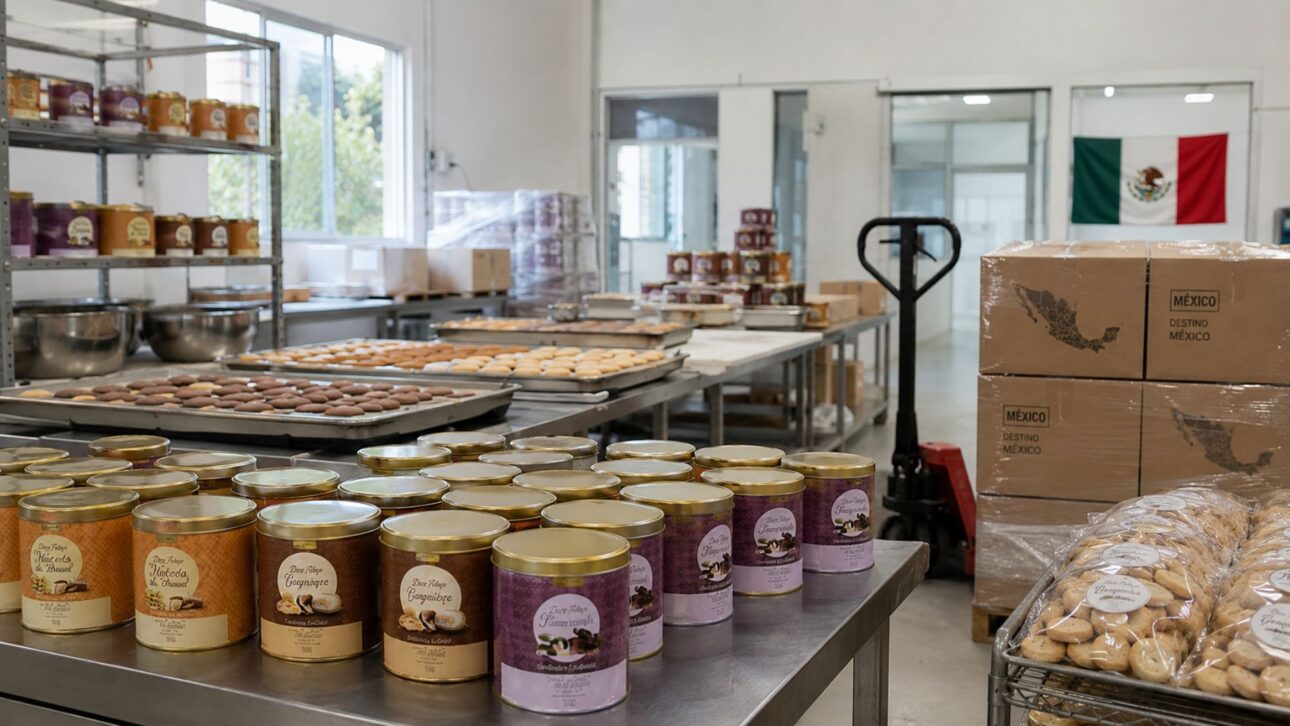
In 2015, Ana Luzia formalized the company as an MEI by investing only R$ 300, and produced everything with a plastic basin, a wooden spoon, and a domestic oven.
There was no machinery, team, or capital: there was a good recipe and the desire to turn it into a business. From that simple kitchen in Maranhão came the first batches of lactose-free cookies, sold by word of mouth.
It was small, but it had a clear differentiator in a niche lacking options. The rest was growth based on a product that solved a real problem.
10 tons per year and the brand Doce Pedaço
From home stove to factory, the scale is impressive. Today, Doce Pedaço produces about 10 tons of lactose-free cookies per year, quite a leap for someone who started with a basin and R$ 300.
The revenue is around R$ 220,000 per year, supported by a niche product that has won loyal customers. The brand has established itself as a reference in lactose-free sweets made in an artisanal way, but in ever-increasing volume.
Growing tenfold in structure without losing the product’s identity is the challenge that Doce Pedaço has been overcoming. And the next step was already mapped out: leaving Brazil.
From the kitchen of São Luís to Mexico
The international leap came with the right help. The internationalization of Doce Pedaço happened when Ana Luzia was invited to participate in PEIEX, a program by Apex Brasil that prepares small companies to export.
This is how the lactose-free cookie made in São Luís started to target the foreign market and reached Mexico. Exporting a niche product, starting from Maranhão, is a rare achievement for a business that began at home.
Mexico became the brand’s gateway abroad. From São Luís to outside the country, Doce Pedaço proved that Brazilian lactose-free cookies have a market worldwide.
The motivation: a daughter with lactose intolerance
Behind the product, there is a concrete reason. Ana Luzia’s second daughter, Sofia, has lactose intolerance, in addition to cerebral palsy, and needed a safe snack she could eat without problems.
It was on the recommendation of a gastroenterologist that the mother began testing lactose-free cookies at home, until she perfected the recipe with passion fruit. Sofia approved, and what was a domestic solution turned into a business idea.
The daughter’s need defined the product: lactose-free, tasty, and safe. It was this starting point that gave the brand purpose and focus.
Why the lactose-free market is growing
Ana Luzia’s success was also about timing. The number of people with lactose intolerance or who avoid the ingredient is growing in Brazil and around the world, and the supply of tasty products is still small.
A lactose-free cookie that doesn’t seem like diet food finds a loyal audience willing to pay for quality. It was in this niche that Doce Pedaço fit, turning a dietary restriction into a market opportunity.
Serving a niche well, instead of competing in the common cookie market, was the right strategy. From São Luís, the brand rides a global food trend.
What the story of Doce Pedaço shows
The biggest lesson is about turning a problem into a product. Ana Luzia took a need from her own home and built from it a lactose-free cookie brand that goes from Maranhão to Mexico.
Of course, it’s important to stay grounded. The revenue of about R$ 220,000 per year shows that it is still a small and growing business, and exportation is a process in progress, not a consolidated empire.
Even so, going from R$ 300 and a wooden spoon to 10 tons per year and sales abroad is a journey that few entrepreneurs build. From São Luís to outside the country, Doce Pedaço proves that a good niche product, well executed, finds a market, and that sometimes the best business idea is right at home, solving a real problem.
And you, do you know any lactose-free product that’s worth it? Tell us in the comments the best business idea you’ve ever seen born in a kitchen.


