





 Portuguese
  English
  Spanish
 3 min of reading
  0 comments



Brazil Reaffirms Commitment To Sustainable Energy Future By Promoting Policies That Strengthen Just Transition, Investment In Clean Networks, Inclusion Of Women In The Sector, Regional Integration And Clear Regulation
Brazil shows priority on the sustainable energy future during a high-level event in Chile, bringing together 27 countries to discuss goals, strategies, and challenges in the sector, according to a report published.
The Ministry of Mines and Energy (MME) participated in the X Energy Week of OLADE in Santiago, where integrated planning, regulatory stability, and cooperation to expand renewable energy were discussed.
Guilherme Zanetti Rosa, the ministry’s director, advocated for stable rules, balance between tariffs and incentives to ensure modern, efficient networks and reduce carbon emissions.
-
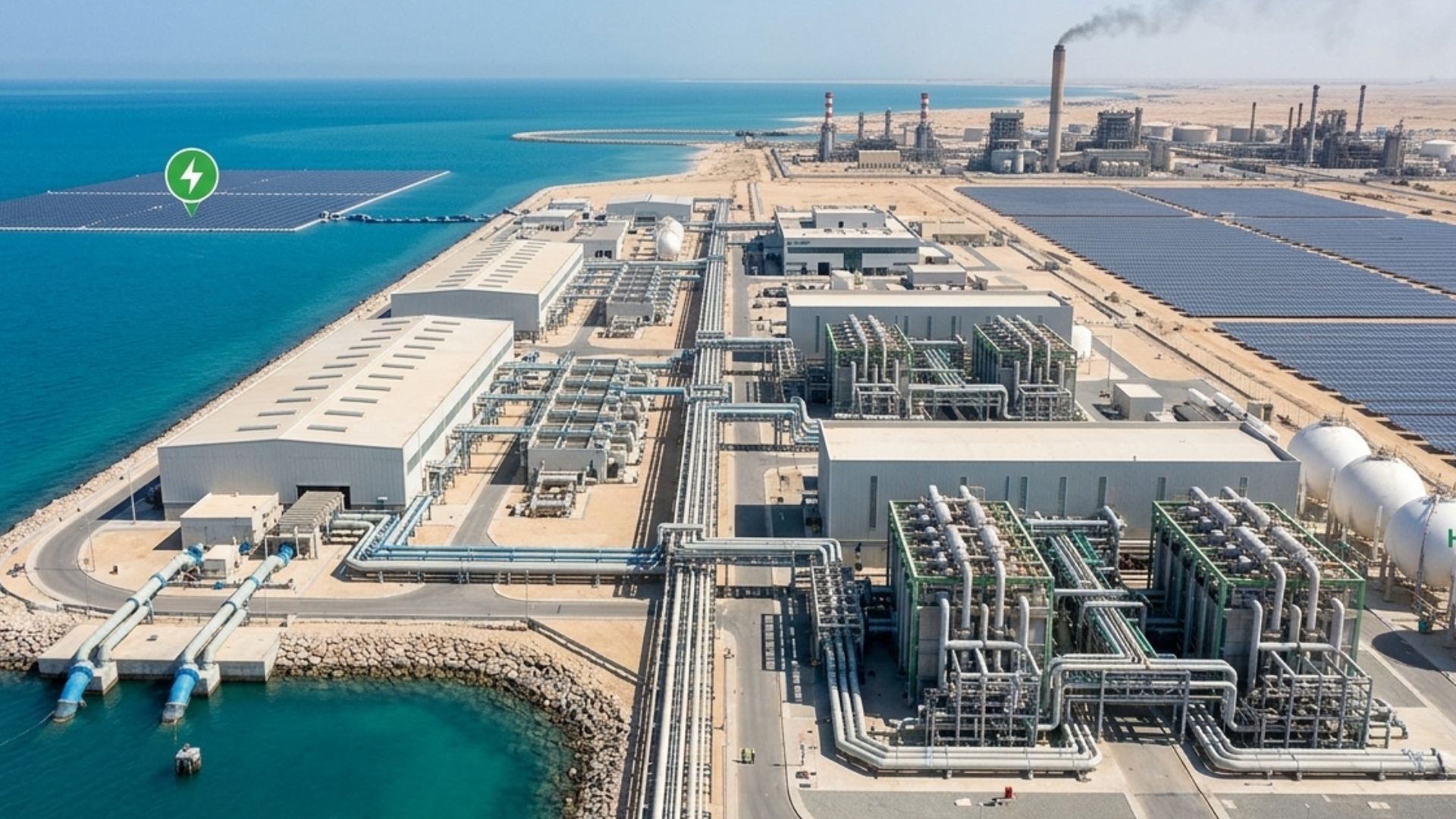
The world has bet on green hydrogen as the fuel of the future, but now faces the side effect: producing 1 kilogram requires about 9 liters of ultrapure water, and the largest projects on the planet are precisely in the driest regions of the Earth, where water is already scarce for people.

-
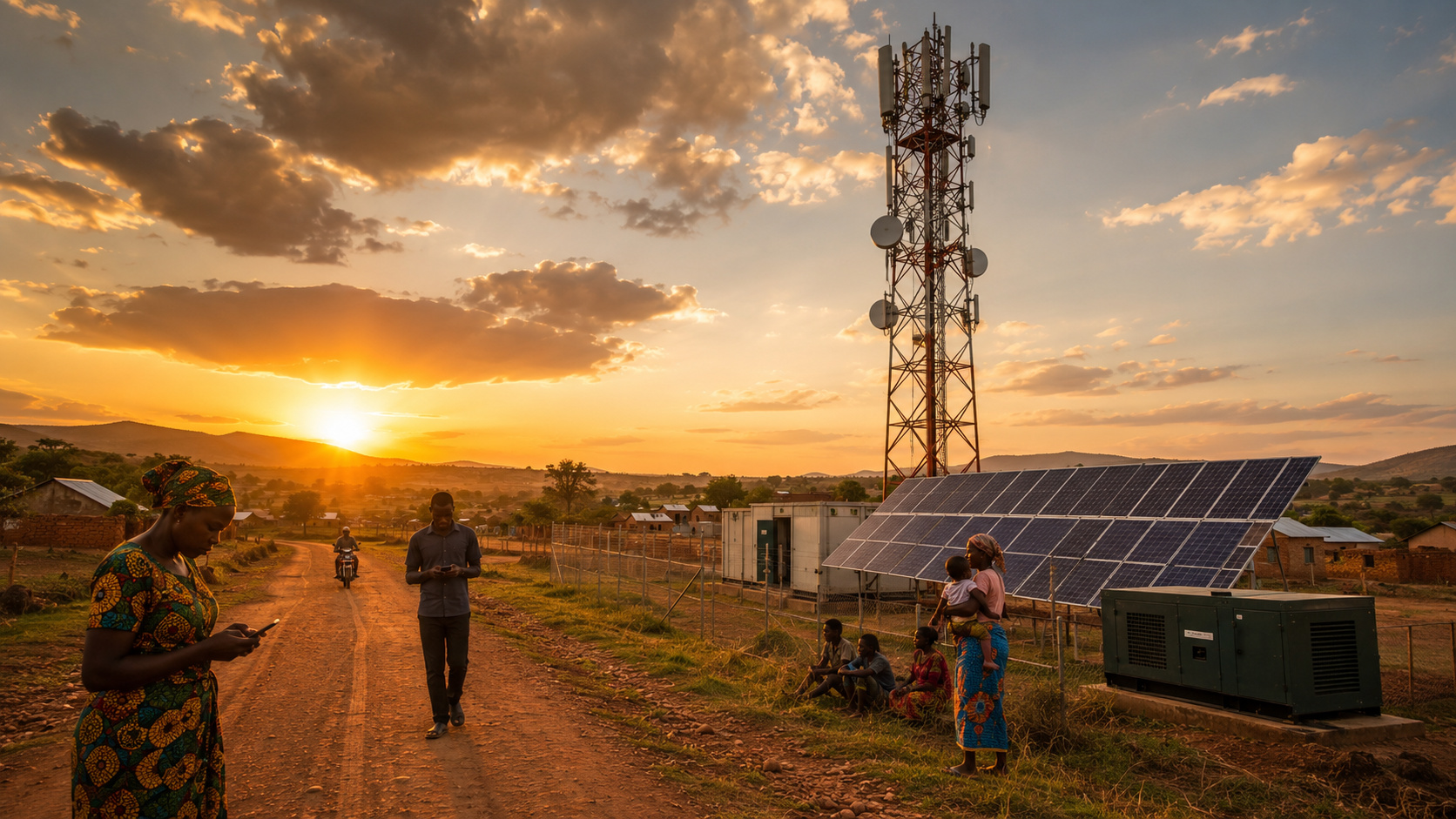
Africa has about 500,000 cell towers and most still burn diesel to operate, while companies rush to cover antennas with solar energy and avoid signal blackouts.

-
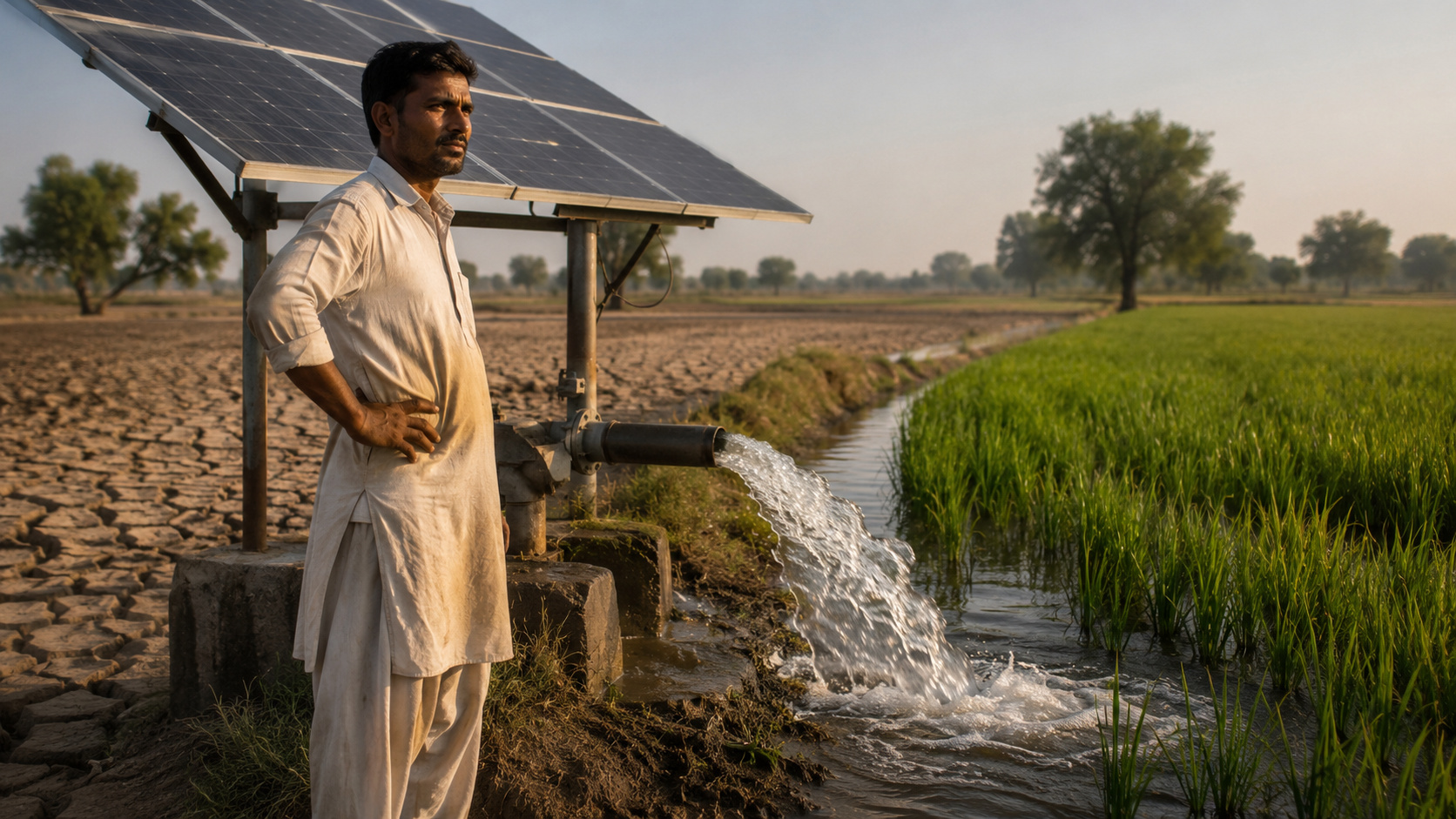
Farmers swapped diesel for solar panels in Pakistan, powered irrigation pumps almost cost-free, expanded rice fields, and now groundwater has become a red alert in the countryside.
-
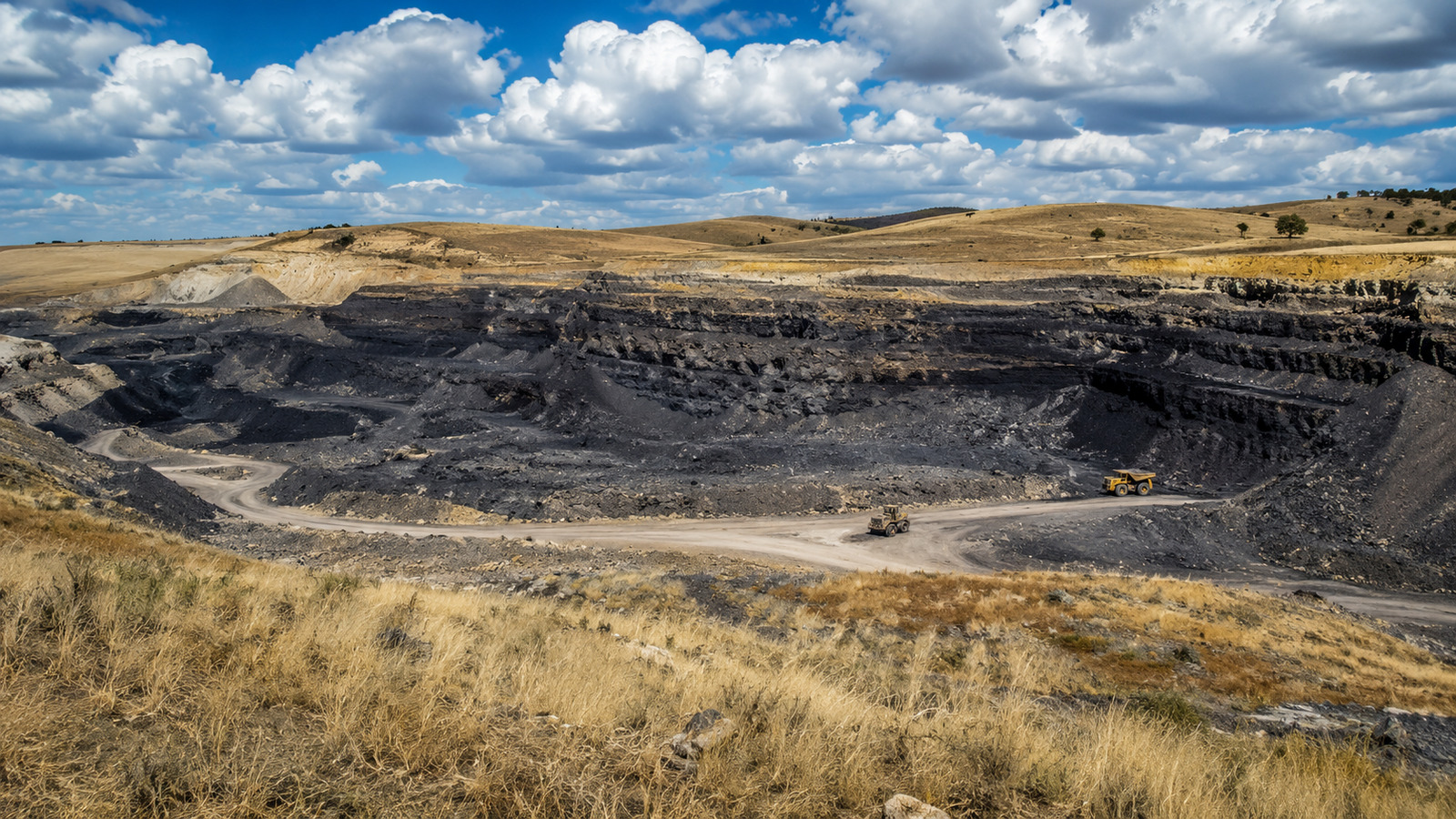
Migrant workers left the world’s largest renewable energy park in India after extreme heat, 12-hour shifts, delayed wages, and poor accommodations at a site that still promises to supply 18 million homes.

The meeting emphasized that 100% energy security requires institutional commitment, regional alliances, and technological innovation.
Karina Sousa, Director of Energy Transition, highlighted the participation of women and youth, showing that the sector needs social inclusion.
Official data highlighted that greenhouse gas emissions in Brazil fell 41% between 2005 and 2023 in the projected scenario, while investments in solar and wind energy are expected to grow by 20% annually until 2025.
Institutions such as SIESUR gained prominence for promoting energy integration among South American nations, favoring network interconnection and infrastructure sharing.
Energy Transition In Latin America Is Strategic Focus
During panels at the event, Brazil and neighboring countries placed the energy transition in Latin America at the center, seeking to ensure clean sources such as solar, wind, and hydropower.
The debate involved an alliance between governments and the private sector to ensure that goals are met through collective effort.
Brazil reiterated its commitment to reduce emissions by 50% by 2030, in accordance with the national plan submitted to the UN. The discussed topics included certification of carbon credits and monitoring mechanisms.
Modernization Of Efficient Electric Grids Promotes Stability
Guilherme Zanetti Rosa presented a proposal for the modernization of efficient electric grids, with an estimated investment of R$ 150 billion over the next five years, aiming to improve rural and urban connectivity.
The system should incorporate smart grids, digitalization, and automation to reduce energy losses, which currently reach around 15%.
Tariff policies that balance returns for investors and fair costs for consumers are also essential.
Regional Cooperation In Clean Energy Strengthens Integration
With regional cooperation in clean energy, the participating countries advocated for market harmonization and standardization of rules for cross-border projects.
Brazil cited the role of SIESUR, a platform that brings southern nations closer for shared transmission and joint energy purchasing.
The planned integration includes up to 10 GW of interconnected capacity by 2030, according to joint estimates from Latin American governments.
Female Participation In The Energy Sector Guarantees Justice
Karina Sousa emphasized that female participation in the energy sector is essential for making the transition more just.
She reminded that currently, less than 30% of engineering and energy management positions are held by women, pointing to the need for incentives and training policies.
The inclusion programs began in 2024 with scholarships for young women in universities and funding for energy startups aimed at female entrepreneurs.
Stable Regulations For Renewable Energy Boost Confidence
Stable regulations for renewable energy were a central theme to attract investors. The Brazilian government argued that predictable and secure regulatory frameworks allow for adequate returns, reducing risks.
A federal law was cited that reduces bureaucracy by up to 40% for the approval of solar parks. Authorities emphasized that long-term contracts and legal guarantees are essential to attract US$ 10 billion in private investments by 2028.







Be the first to react!