





 Portuguese
  English
  Spanish
 3 min of reading


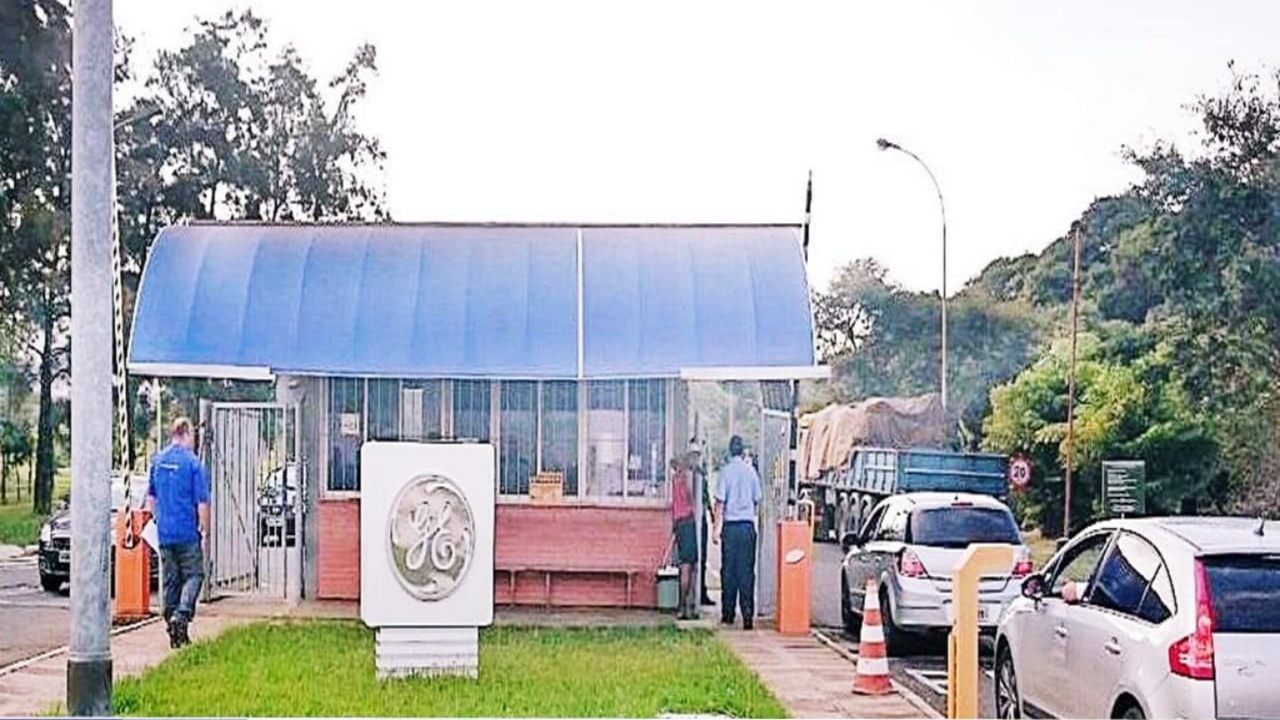
Brazilian Wind Turbine Manufacturers Weg and Aeris Energy May Benefit from General Electric’s Decision.
General Electric, one of the world’s leading suppliers in the wind energy sector and a competitor to global giants Vestas, Siemens, Nordex, and WEG, announces the end of new contracts for wind turbine production in Brazil, and the Camaçari factory has an uncertain fate.
The reason for the decision was not immediately clear, but it was stated that it only applies to equipment produced in Brazil under local content rules. The decision coincided with challenges faced by the American manufacturer’s renewable energy division, which will undergo a restructuring.
“We shared with our employees in Latin America a set of actions related to the transformation of our International Onshore Wind business aimed at adapting to the current market reality, preparing the business for the future. We reaffirm our total commitment to serving our customers and supporting our employees in the region,” GE stated in a note.
-
Architects and Engineers point to a 2 to 3 mm coating as a possible substitute for porcelain and traditional ceramic tiles: microcement covers walls, floors, and countertops without demolition, without grout lines, and with less debris in modern renovations.

-
A penitentiary with 2,600 inmates in the heart of Florianópolis will give way to a 173,000 m² tourist and cultural megacomplex, with a theater for up to 2,500 people, but the turnaround still depends on the creation of new vacancies in the prison system until 2028.

-
Eco-friendly homes starting from R$ 60 thousand are entering the sustainable construction market, utilizing recycled plastic from the petrochemical chain and promising savings in climate control; in Belém, the company Amazônia Domos offers models with automation and digital locks.

-
The building that sank 30 centimeters and urgently displaced 65 residents in Itajaí will be demolished in two stages, with a 30-day operation starting with the most critical area to prevent further damage to the neighborhood.


According to Santander analysts, General Electric’s decision is likely to benefit competitors and clients operating in the largest country in Latin America, such as Brazilian Weg and Aeris Energy.
“Given that GE will close its wind turbine factory in Brazil, we believe it is likely that it will also deactivate its wind turbine blade factory… If this happens, Aeris will become the only wind blade manufacturer in Brazil,” wrote analysts Lucas Barbosa and Lucas Esteves.
It is worth noting that in addition to the Brazilian companies, the Danish Vestas and the German Nordex-Acciona and Siemens-Gamesa may also benefit.
Wind Turbine Production from the Factory in Camaçari (BA) for Export Remains Active
The service areas (operation and maintenance) and the activities of the factory in Camaçari (BA) for export remain active to fulfill contracts and projects of General Electric with clients.
“We shared with our employees in Latin America a set of actions related to the transformation of our International Onshore Wind business aimed at adapting to the current market reality, preparing the business for the future,” the company said in a note.
“We reaffirm our total commitment to serving our customers and supporting our employees in the region.”
In addition to the wind turbine factory in Bahia, General Electric also has a wind blade production unit at the Port of Suape (PE).
GE’s Renewable and Wind Energy Business Challenges Occur Amid Sharp Increases in Raw Material Costs in the Industry
In a note signed by the Vice President of Investor Relations, Steve Winoker, General Electric added that it is designing a strategy to resize wind turbine production to a level of two thousand machines/year, focusing on “decentralization and selectivity.”
GE’s renewable energy division, which will be spun off to create a new company, GE Vernova, reported a 23% decline in revenues in the second quarter, totaling US$3 billion. For the first half of the year, the drop compared to the previous year is 18%.
The challenges in General Electric’s renewable and wind energy businesses occur amid sharp increases in raw material costs in the industry, due to disruptions in supply chains following the Covid-19 pandemic and the war between Russia and Ukraine.






Be the first to react!