Portuguese
 Spanish


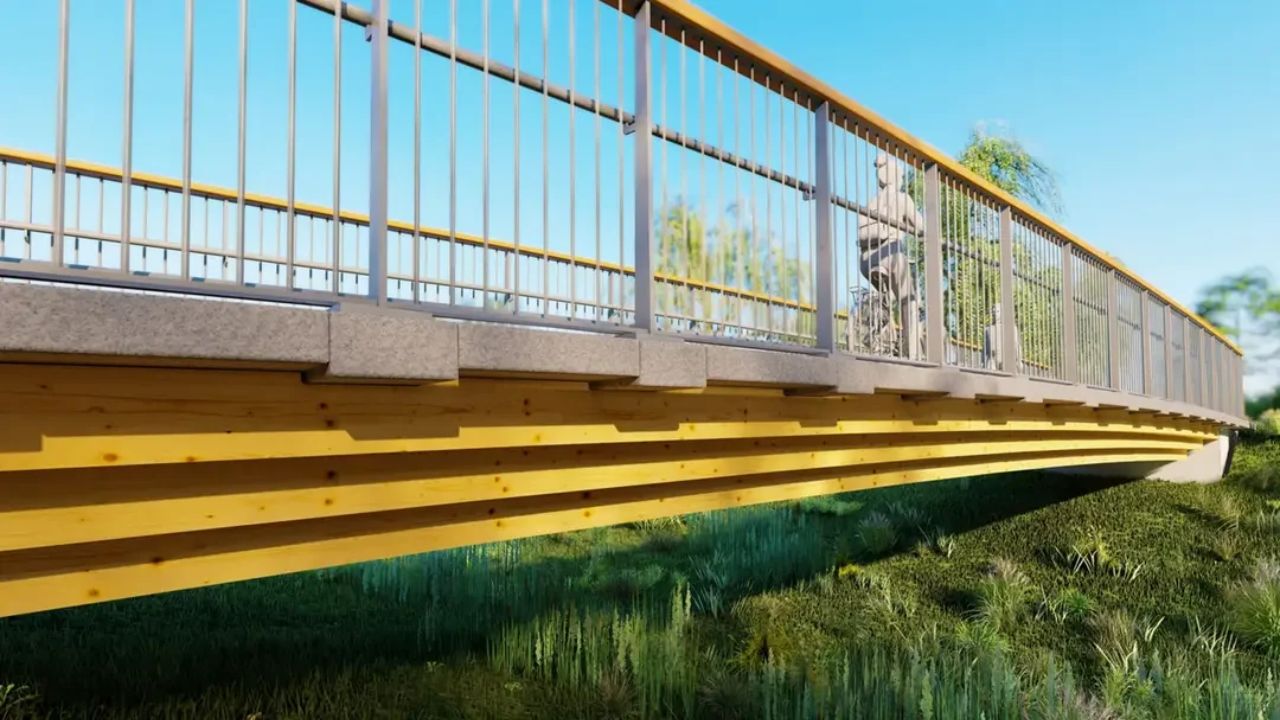

A wood-and-granite bridge developed in Germany eliminates the need for concrete, could last up to five times longer and is planned for two pedestrian and cyclist crossings in Berlin.
Engineers at Technical University of Berlin (TU Berlin), working with the company Miebach, have developed a wood-and-granite bridge in Germany that eliminates the need for concrete and could last three to five times longer than conventional wooden structures. The design uses stone slabs to shield the beams from rain, with the aim of reducing construction-related CO2 emissions. After strength testing, the technology is expected to guide plans for two crossings for pedestrians and cyclists in Berlin’s Spandau district.
Two 15-meter bridges are expected to replace aging structures in Berlin
In Spandau, a district of the German capital, replacing two old wooden bridges is among the project’s next steps. Each new crossing is expected to be about 15 meters long and serve pedestrians and cyclists, while Miebach will handle the planning and structural calculations needed for construction.
The two bridges have not yet been built. So far, the researchers have developed an engineering solution that has undergone strength, stability and safety testing, while construction of the structures remains in the company’s plans. The method is also expected to serve as a model for similar projects elsewhere in Germany.
-
Columbia astronomer Viraj Karambelkar and his team watched a star 350 times wider than the Sun swallow its smaller partner in the Andromeda galaxy, and NASA’s Webb caught the aftermath just 47 days after the blast peaked.

-
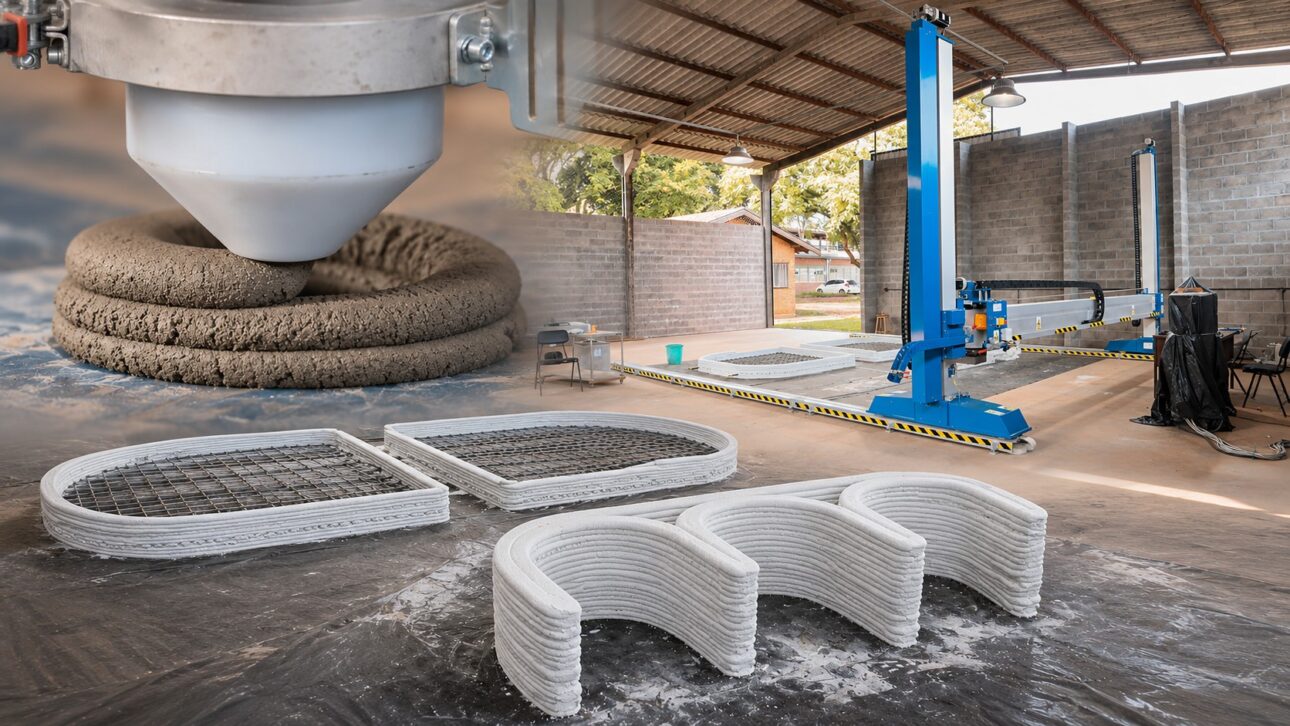
Brazilian University Installs Giant 3D Printers Up to 9 Meters Long for Construction of Walls in 45 m² Homes

-
Paleontologist Yingqi Zhang has crawled through about a thousand caves in southern China, and eight teeth from two of them show Homo erectus lived in rainforest there until about 184,000 years ago, up to 200,000 years longer than thought.
-
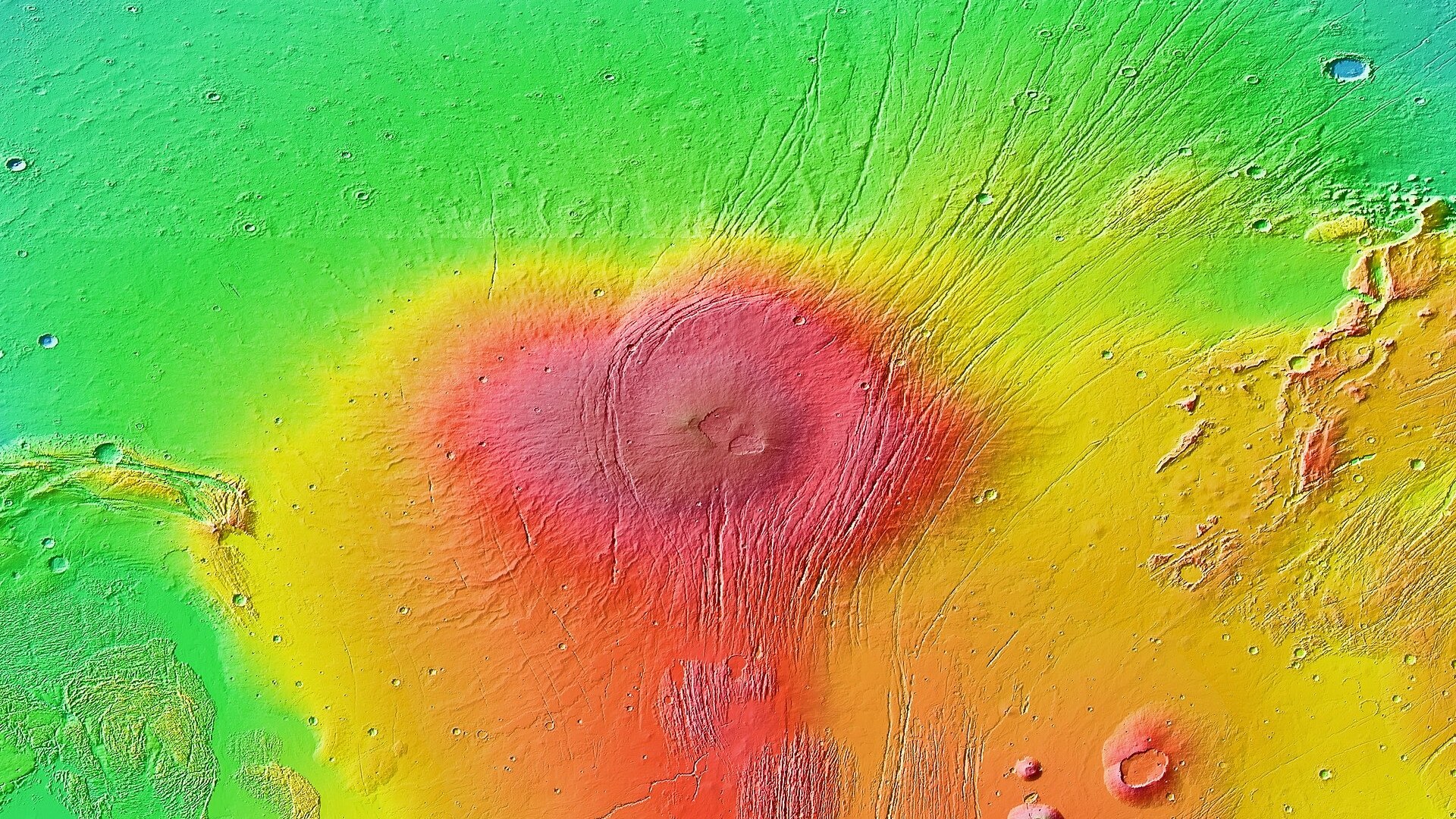
Scientist Daniel Mège says Europe’s ExoMars orbiter caught hydrogen chloride seeping from cracks on Alba Mons, a 600-km-wide volcano, at under 3 kg per second, a sign that Mars may still have magma below its surface


The project received about 140,000 euros from the German Federal Environmental Foundation (DBU). The funding is tied to efforts to find alternatives to a problem affecting unprotected wooden bridges: prolonged exposure to rain and harsh weather, which can compromise their durability.
In this design, granite was chosen to serve a purpose beyond providing a walking surface. The stone also protects the wooden components beneath it, keeping them from direct exposure to water.

Volker Schmid, a researcher at Technical University of Berlin who leads the group involved, says combining these materials in this configuration is a world-first solution. Replacing concrete with granite, he says, offers an alternative to existing hybrid bridges by using the properties of each material to extend the structure’s service life.
The granite-and-wood connection required a solution to keep water out
To turn the proposal into a structure that could support people, engineers had to address a challenge posed by the different properties of stone and wood. Simply placing the slabs on the beams was not enough: the components had to be held together and rain kept from reaching the structural elements.
The solution combines fastening and waterproofing measures, carried out in three assembly steps:
- Fitting the pieces: Granite slabs of varying thicknesses are fitted to the wooden beams beneath the walking surface.
- Mechanical fastening: Screws hold the slabs in place on the structure.
- Sealing the joints: A high-strength epoxy adhesive bonds the slabs and prevents water from passing through the joints.
With this configuration, the granite forms the surface used by pedestrians and cyclists, while the beams are protected from direct exposure to rain. The researchers also changed the shape of the wood, making the beams progressively narrower toward the base to help keep them dry even during heavy rain.
This protection is directly related to the estimated durability of the new bridge. Schmid says the combination could extend its service life to between three and five times that of conventional wooden bridges, although this remains a projection for the project.
The researcher also points to a possible increase in load capacity. With the two materials working together, the team considers it feasible to build slimmer bridges without compromising the strength and safety requirements assessed during development.
Concrete-free bridge aims to cut CO2 emissions and allow materials to be reused
The choice of granite is also tied to the environmental impact of construction. Schmid says bridges combining wood and concrete are already in use, but replacing conventional slabs with stone slabs could avoid much of the emissions associated with concrete. The researchers, however, did not provide a specific estimate of the CO2 reduction for the new structures.
Beyond emissions, the team considered what would happen to the components when a bridge needs repairs or is dismantled. In that case, the ability to separate the materials is another advantage, making it possible to recover parts that are still usable.
The granite slabs, for example, can be removed after the screws are taken out and put to new uses. The wooden beams could also be reused, according to the researchers’ proposal.

This approach is tied to circular construction, a concept that aims to keep materials in use for longer and reduce the need to discard them once a structure has served its original purpose.
Alexander Bonde, secretary-general of the German Federal Environmental Foundation (DBU), also highlighted environmental concerns. He pointed to the number of German bridges in need of repairs and the emissions produced by conventional reinforced-concrete construction, advocating alternatives that use less energy and fewer resources.
With the two crossings planned for Spandau, TU Berlin and Miebach aim to put their solution into practice. The prospect of combining greater durability, disassembly and a lower environmental impact underpins expectations that the method could eventually be used for other pedestrian and cyclist bridges in Germany.
Source: Interesting Engineering