Portuguese
  Spanish


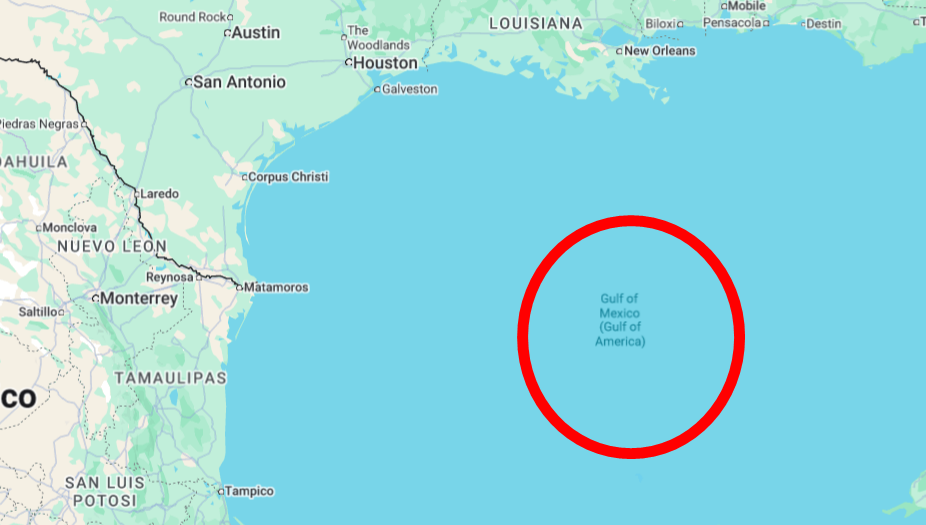

Google Renames Gulf of Mexico to “Gulf of America” in the U.S., Following Trump’s Order. Change Sparks Debate
Google Maps now displays the “Gulf of America” for users in the United States. The change reflects an executive order from former president Donald Trump, altering the geographical nomenclature of one of the largest bodies of water in the region.
The decision is part of a Trump policy aimed at ‘restoring’ American pride in the history of American greatness.
The name change from Gulf of Mexico to Gulf of America follows the same principle as the renaming of Denali Mountain in Alaska, which was reverted to Mount McKinley after being changed during the Obama administration to recognize the indigenous name.
-
U.S. Women’s History Museum Stalled in Congress Amid Gender Identity and Diversity Debate

-
European Parliament Approves Digital Euro, Aiming to Challenge Visa and Mastercard’s Dominance and Transform Payments Across Europe by 2029
-
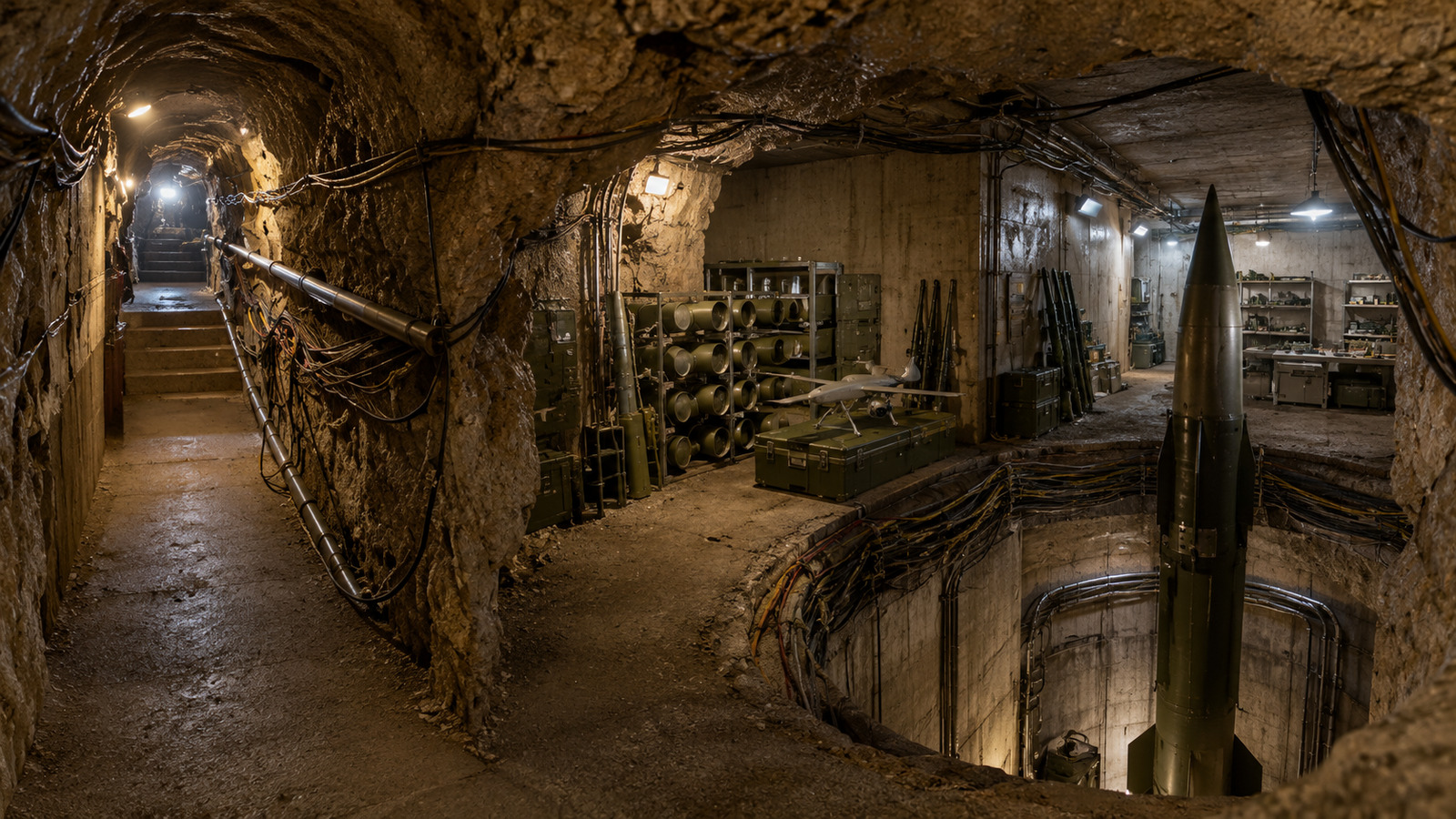
Israel finds Hezbollah militarized tunnel over 200 meters long under village, with 4 missile launch shafts, 12 chambers, anti-tank missiles, drones, and weapons depots at a depth of 25 meters.

-
Ukraine launches largest drone attack on Moscow since 2022, Russia claims to have intercepted nearly 200 aircraft near the capital, Kapotnya refinery targeted again, and offensive reignites alert about war reaching the Russian energy heart just a few kilometers from the Kremlin.



The change has sparked debates about its cultural and historical implications. The Gulf of Mexico is a name in use for centuries, recognized internationally. Now, at least for Americans, it will be identified differently.
‘Gulf of America’: Google Follows the Official Directory
The update in Google Maps occurred because the company follows names recognized by official government sources. Thus, when the U.S. Geological Survey changed the name, the change was automatically replicated in the app.
But that doesn’t mean all users will see the same name. For instance, those accessing Google Maps from Mexico will continue to see “Gulf of Mexico.”
The same applies to other controversial geographical names, such as the Sea of Japan, which is referred to as “East Sea” in some regions of Asia.
International Reaction and Diplomatic Impact
The decision had an immediate effect in Mexico. President Claudia Sheinbaum announced she would send a letter to Google questioning the change. The country considers the traditional name a historical and cultural landmark and views the decision as a political gesture.
Beyond Mexico, the issue could affect other international relations. Changes of this kind are seen as attempts to rewrite historical narratives, something governments often contest in diplomatic forums.
Apple Maps Still Has Not Updated Name
While Google quickly implemented the change, Apple has yet to alter the nomenclature in its maps application. Searches for “Gulf of America” yield no results, indicating that the company may be assessing the impact before proceeding in the new direction.
Interestingly, both Google CEO Sundar Pichai and Apple CEO Tim Cook served at Trump’s inauguration and donated US$ 1 million to the president’s inaugural fund. However, in this case, the companies seem to have adopted different approaches.
Consequences Beyond the Maps
The change also affects U.S. federal agencies. The Federal Aviation Administration (FAA) and the U.S. Coast Guard have already updated maps and navigation systems. This includes aviation documents, maritime manuals, and safety notices.
The renaming of Mount McKinley follows the same logic and reverses a decision by the Obama administration, which had given the location the indigenous name “Denali.” For the Trump administration, the previous change was an “affront” to the legacy of former President William McKinley.
With information from Interesting Engineering.