Portuguese
  Spanish


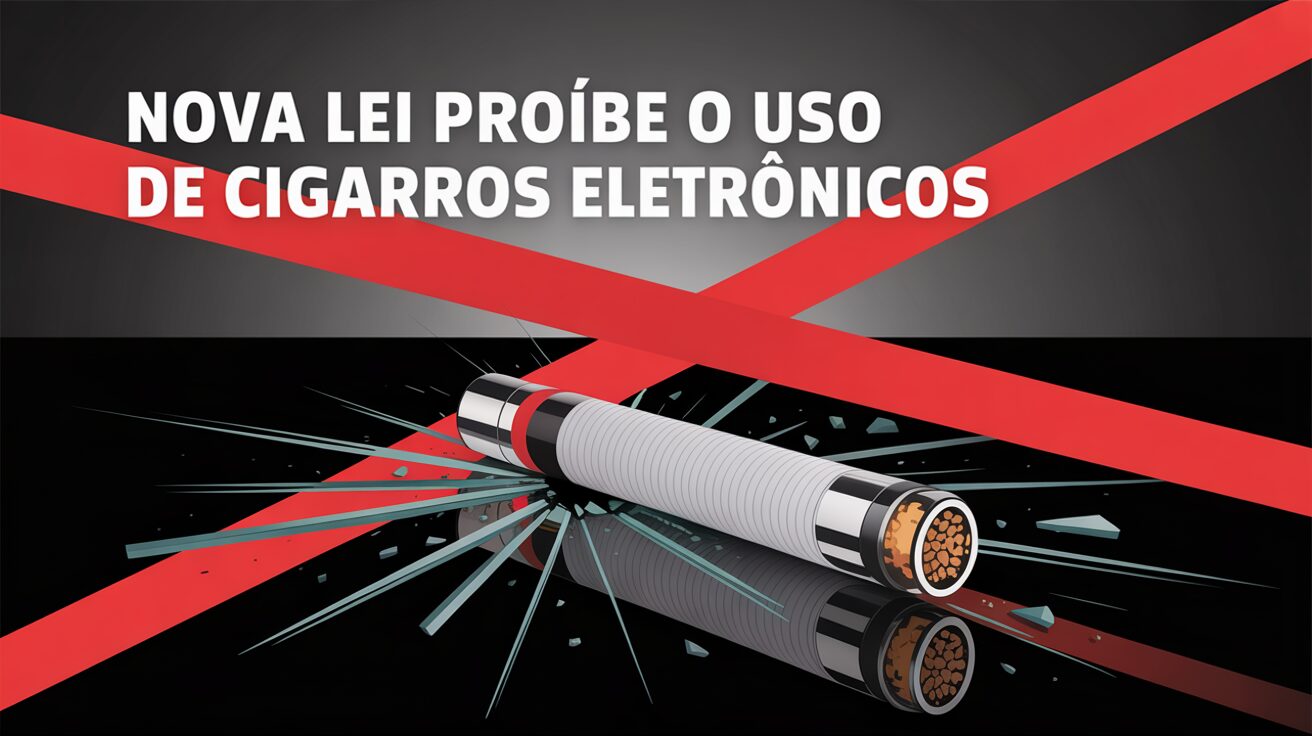

City of Limeira Approves Pioneering Legislation Against the Use of E-Cigarettes and Raises National Alert About the Risks to Public Health
The city of Limeira, in São Paulo’s interior, has become the first in Brazil to approve a new law prohibiting the use of e-cigarettes in public environments and collective use locations. The measure, recently sanctioned by the city hall, will take effect in 30 days and is seen as a milestone in combating the rising use of vapes in the country, especially among teenagers.
The initiative, authored by councilor Nilton César dos Santos, was approved by the city council and imposes strict restrictions on the use of these devices in open and closed public access spaces, such as squares, bars, gyms, and school environments. The legislation represents a step forward in regulating the use of e-cigarettes, a topic that has raised concern among health authorities and public policy experts.
What The New Law Prohibiting The Use Of E-Cigarettes Determines
According to the approved text, the new law prohibits the use of e-cigarettes in all public environments in Limeira, including outdoor spaces with collective access. The measure also bans use by those under 18 years old, regardless of the location.
-
The man who started in construction with his own house founded a company in 1957, went through a banking crisis in 1987, and ended up connected to 16,500 houses in Houston.

-
They exchanged the idea of a large house for a 35 m² warehouse, spent US$ 12,000 on the structure, and created a tiny house in Colorado with space to live and work.
-
While modern cities rely on pumps and electricity, in Iran, ancient tunnels carried water through the desert using only slope and gravity.
-
Instead of sending families far from the city, a project in Chile intentionally created incomplete houses on expensive urban land and left technical space for each to grow.



The regulation applies to places such as:
- Squares, parks, and sports gyms;
- Educational establishments;
- Restaurants, bars, snack bars, and nightclubs;
- Supermarkets, shopping malls, hotels, and inns;
- Common areas of condominiums and corporate environments.
Enforcement will be carried out by the City Hall of Limeira, which may issue warnings, fines, and even remove offenders from the location. Business owners will be required to display visible notices about the prohibition and may be held accountable for failing to comply with the rule.
New Law on E-Cigarettes Complements Federal Rules
Although the ban in Limeira is considered pioneering at the municipal level, the use and sale of e-cigarettes are already restricted by the National Health Surveillance Agency (Anvisa). Since 2009, the federal agency has prohibited the manufacture, import, sale, and advertising of e-cigarettes, also known as vapes, throughout Brazilian territory.
In 2024, Anvisa reinforced this decision following a series of public hearings and technical reports. The agency’s stance is based on studies indicating elevated health risks, especially among youth, and the lack of scientific evidence regarding the efficacy of these devices for smoking cessation.
Additionally, Brazil already has what is known as the “anti-smoking law,” in effect since 1996, which prohibits the consumption of smoking products in closed collective use environments. The municipal legislation in Limeira emerges as a complementary reinforcement, intensifying enforcement and expanding restrictions to outdoor spaces.
Health Risks Motivate Ban on E-Cigarettes
According to information from the Oswaldo Cruz Foundation (Fiocruz), e-cigarettes pose a growing threat to public health. International studies indicate that inhaling the aerosols from these devices can cause respiratory diseases, lung inflammation, and cardiovascular damage, along with potential long-term carcinogenic effects.
The risk is further heightened by the lack of regulation regarding the composition of the liquids used in vapes, many of which contain nicotine at high concentrations, heavy metals, and toxic substances. Another issue is how these devices are marketed: often with appealing packaging and sweet flavors, which increases their appeal among children and teenagers.
In an interview with local media, councilor Nilton César dos Santos stated that the measure “is not moralistic, but a matter of public health,” emphasizing that Limeira should serve as a model for other Brazilian cities that wish to adopt similar legislation.
New E-Cigarette Law in Limeira Could Influence Other Cities
Public policy experts and representatives of medical entities believe that the new law passed in Limeira could pave the way for stricter national legislation. Cities like São Paulo, Belo Horizonte, and Porto Alegre are already discussing similar projects in their city councils.
The Federal Council of Medicine (CFM) and the Brazilian Association of Pneumology (SBPT) have also expressed support for more effective enforcement actions against the use of e-cigarettes, particularly in places frequented by young people.
“We need to act quickly. The popularization of vapes among teenagers is alarming, and measures like those in Limeira are important steps to contain this trend,” says pulmonologist Rafael Motta from the University of São Paulo, in an interview with the newspaper Folha de S.Paulo.
Brazil follows an international trend in combating the indiscriminate use of e-cigarettes. Countries like Australia, India, Singapore, and Thailand have already implemented total or partial bans on the use, sale, and advertising of these devices. In the European Union, although use is not prohibited, there are strict restrictions on composition, advertising, and labeling.
In the United States, the FDA (Food and Drug Administration) has intensified controls over the vape market, requiring companies to request prior authorization to market new products, as well as taking action to curb sales to minors.