






 Portuguese
  Spanish
  3 min of reading
  2 comments


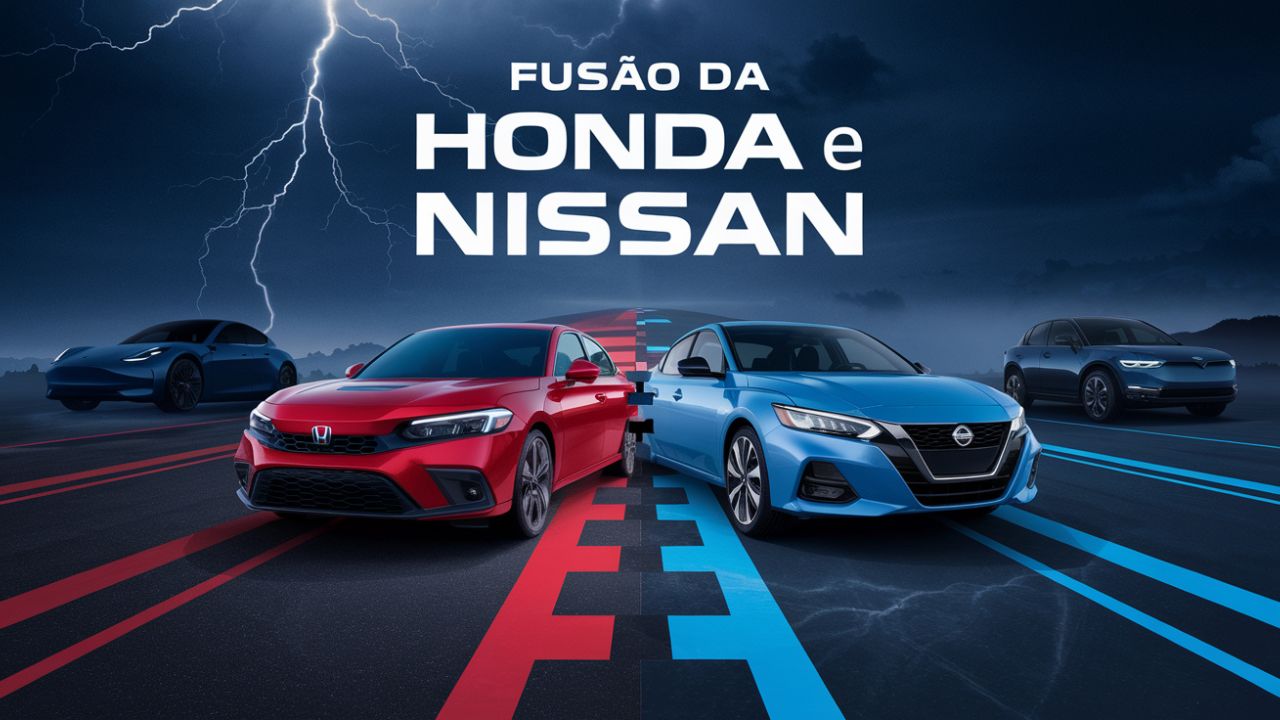


Japanese Automakers Have Over 200 Years of History and Are Preparing a Strategic Merger to Face Tesla and Chinese Manufacturers Who Dominate 18% of the Electric Market in 2023.
The automotive industry is undergoing a revolution, and those who do not adapt may be left behind. The growing popularity of electric vehicles, led by Chinese companies like BYD and American Tesla, has placed traditional giants at a crossroads. In light of this situation, Honda and Nissan, historical rivals in Japan, are considering joining forces. According to Nikkei, the merger could be the only way to face the new global landscape.
What Is Behind the Merger Between Honda and Nissan?
The meteoric rise of electric cars has pressured traditional automakers. In 2023, 18% of vehicles sold were electric, representing about 14 million units. Most of these sales came from China, Europe, and the United States. Japanese manufacturers, once pioneers in innovation, are losing ground in this segment.
Tesla, which has established itself as a benchmark in electric vehicles, and Chinese companies, with competitive prices and advanced technology, are changing the rules of the game. For Honda and Nissan, joining forces could mean a real chance to return to competition and regain their position in the market.
-
Uber Faces Shareholder Scrutiny as Board Accused of Ignoring Safety, Compliance, and Harassment Warnings Amid Over 3,500 U.S. Lawsuits

-
Ferrari’s First Electric Car Divides Fans, Priced at $630,000, Amid Concerns Over Limited Editions; Brand Clarifies It’s Not Just for Future Perks
-
BYD Dolphin Mini: The Electric Car That Defies Depreciation, Losing Only 3.58% in a Year and Becoming the Best-Selling Retail Model Under $22,000

-
Electric Car JAC E-JS4 Loses $19,000 in Value in One Year, Leading Record Depreciation of Used Cars in Brazil Due to Expensive Battery and New Models


Honda and Nissan: A Union with Global Impact
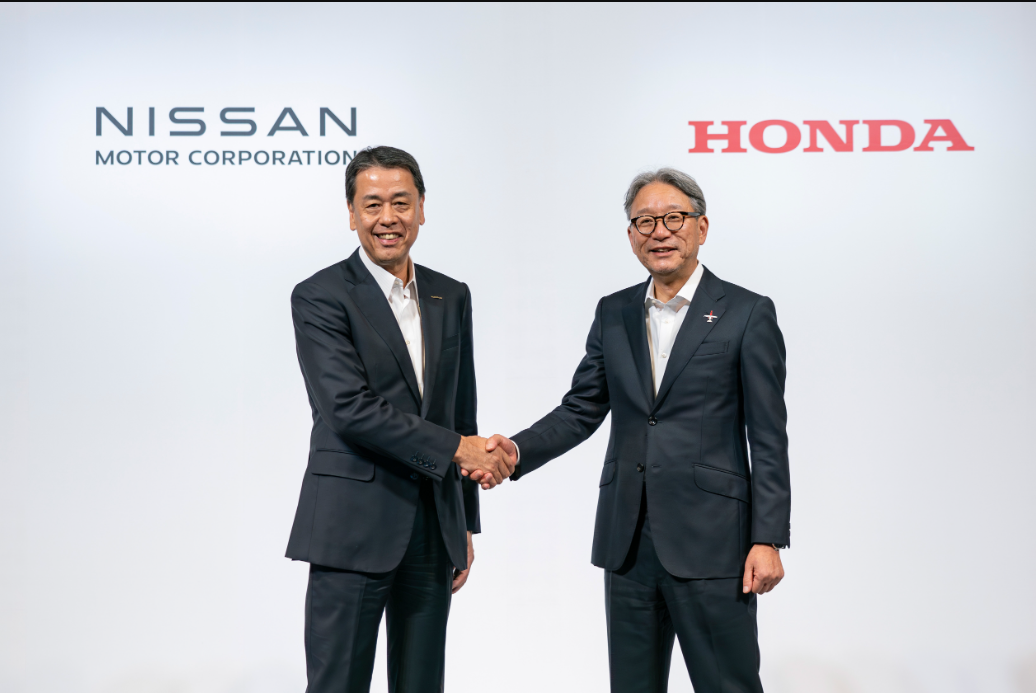
The first step of this potential merger will be the signing of a memorandum of understanding. This will serve as a basis for the companies to operate under a single holding in the future. The agreement may also involve Mitsubishi Motors, another significant name in the automotive sector.
This collaboration could transform not only the Japanese industry but the global market. With a well-structured merger, the companies could combine their technologies and resources to develop competitive electric cars, creating a robust alternative to Tesla and Chinese cars.
The Advancement of Electric Cars: A Revolution in the Industry
The change in the automotive sector is evident in the numbers. According to the International Energy Agency (IEA), electric vehicles have dominated the market in recent years. While Chinese companies like BYD lead the segment with affordable prices, Tesla continues to be synonymous with innovation and premium quality.
On the other hand, Japanese automakers are lagging in this race. Although brands like Honda and Nissan made progress with hybrid models in the past, the market demands fully electric, accessible, and technological vehicles. The merger could be the answer to achieve this goal.
The Challenges Faced by Honda and Nissan in the Merger
Uniting two giants with decades of history is not a simple task. There are cultural, operational, and financial hurdles that will need to be overcome. Honda and Nissan have distinct working philosophies, and aligning these differences may take time.
Merger experiences among large automotive companies have a complex history. The Renault-Nissan alliance, for example, faced various governance challenges. The key to the success of this new union will be strategic cooperation focused on innovation and efficiency for the electric market.
Impact of the Merger on Consumers and the Market
And what about the consumer? The union of two such relevant brands could bring direct benefits to the market. We can expect more affordable electric vehicles with better technology and quality. Competition may also force other automakers to innovate, offering more efficient cars at competitive prices.
On the other hand, the merger may also mean a global restructuring, which could affect jobs and factories in various regions. Balancing innovation and social impact will be crucial for the success of this partnership.
The potential merger between Honda and Nissan shows how the automotive market is in constant transformation. To face Chinese giants and Tesla, the union of forces may be the key to survival and growth.





Sempre a tecnologia a serviço do homem!
É a velha máxima colocada em prática; a união faz a força !!! Eles estão certos e o consumidor pode ser beneficiado com a fusão.