Portuguese
  Spanish


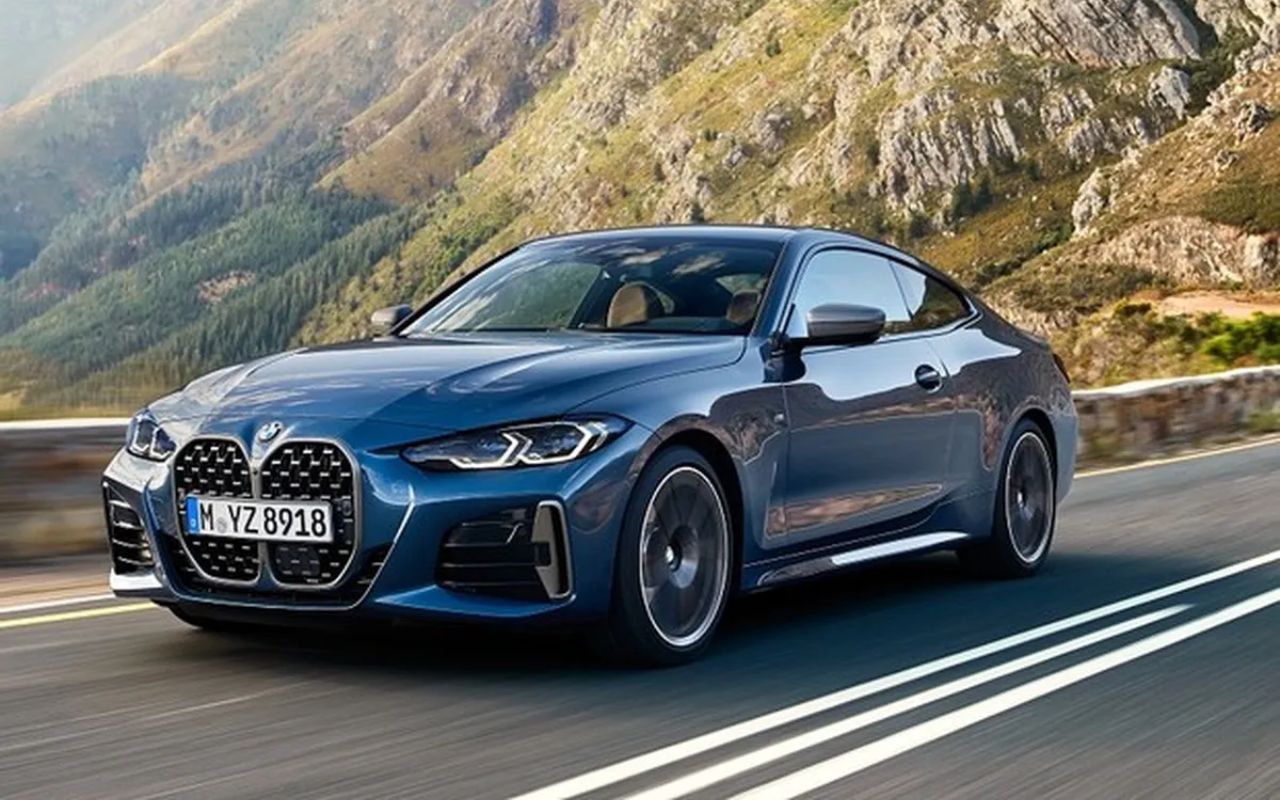

Understand the math behind the “rich man’s leftover” car. See Audi, BMW, and Porsche models that cost little but hide astronomically priced revisions.
Imagine the possibility of trading a basic popular model, like a Renault Kwid, for a legitimate Porsche Cayenne, with a V6 engine and leather interior trim. This trade is perfectly possible in the Brazilian used market, where SUV units manufactured between 2006 and 2008 can be found for around R$ 80,000.
However, this financial opportunity hides a logistical challenge: although the purchase price is accessible, the cost to repair the vehicle remains that of an automobile that cost R$ 900,000 when new.
This is the core of the “rich man’s leftover” car concept, a market that attracts Brazilians for its status but requires rigorous financial planning to avoid becoming a permanent loss.
-
Renault Kwid Outsider 2023: Affordable Used Hatchback with 1.0L Engine, 15.7 km/l Efficiency, and Ample Cargo Space for Around $11,000

-
Chevrolet SUV Offers 153 hp Engine, 620 km Range, and ADAS Features at a Lower Price Than a New Kwid

-
London buses run on biofuel made from coffee grounds, turning café waste into sustainable public transport fuel without engine modifications.

-
Major Automaker Considers Closing 4 Factories, Putting 45,000 Jobs at Risk Amid Chinese Competition in Brazil



“Rich man’s leftover” car: which models receive this nickname?
The classification of “rich man’s leftover” car is not limited to traditional luxury manufacturers. It encompasses any high-end vehicle that has suffered severe depreciation after more than a decade of use, usually with a resale price set below R$ 100,000.
Among the most sought-after and cited models in this category are:
- Premium Brands: Older units of Audi A3 (2002 models for R$ 15,000), BMW 3 Series, and Mercedes-Benz C-Class.
- Elite SUVs and Sedans: Volvo, Land Rover, Jaguar, and the Lexus CT200h hybrid hatchback.
- Refined Models from General Brands: Volkswagen Passat CC, Touareg, and the first generations of the Tiguan.
- Luxury Imports: Ford Edge, Ford Explorer, Australian Chevrolet Omega, and the Korean models Hyundai Equus and Genesis.
The logic of maintenance and the danger of complex systems
The main mistake made by those who acquire a “rich man’s leftover” car is ignoring that wear parts and electronic components remain expensive, regardless of the vehicle’s age. Air suspension systems, for example, are famous for presenting defects that cost fortunes to fix.

On the other hand, the labor for these automobiles must be highly specialized, which makes any mechanical intervention more expensive. Furthermore, special specification tires and imported components can leave the car idle for long periods if the owner does not have a financial reserve.
According to industry logic, if the used model is worth R$ 80,000 today, the owner still deals with the complexity of a car worth almost a million reais. Therefore, the new owner often needs to replace expensive parts soon after acquisition to ensure safety.
Why did the term “rich man’s leftover” become popular?
The nickname emerged on the internet to designate vehicles that are already on their third or fourth owner. Originally, these cars were bought by high-net-worth individuals who could afford the high total cost of ownership.
Over time and with increased mileage, high depreciation makes these models financially viable for the less affluent segment of society. Many drivers choose this path in search of technology and comfort that do not exist in popular zero-kilometer cars.
However, the term carries an irony: the “leftover” refers to what remains of a luxury good after years of severe use. The status the vehicle provides is the big draw, but expensive maintenance is the reality that defines the experience.


Essential planning to avoid financial nightmare
To avoid turning the dream of luxury into a headache, the buyer must apply a cold analysis before closing the deal. It is crucial to consider the vehicle’s price when it was new to estimate future expenses.
Furthermore, observing critical points and conducting a detailed inspection are mandatory steps. In short, a “rich man’s leftover car” can be an excellent way to access a superior level of drivability, provided the owner doesn’t spend all their capital on the purchase.
The secret is to be aware that the car’s market value has dropped, but its elite engineering still demands first-class financial treatment. With this understanding, the driver can enjoy the refinement of a premium brand without destroying their monthly budget.
With information from AutoMaisTV