






 Portuguese
  Spanish


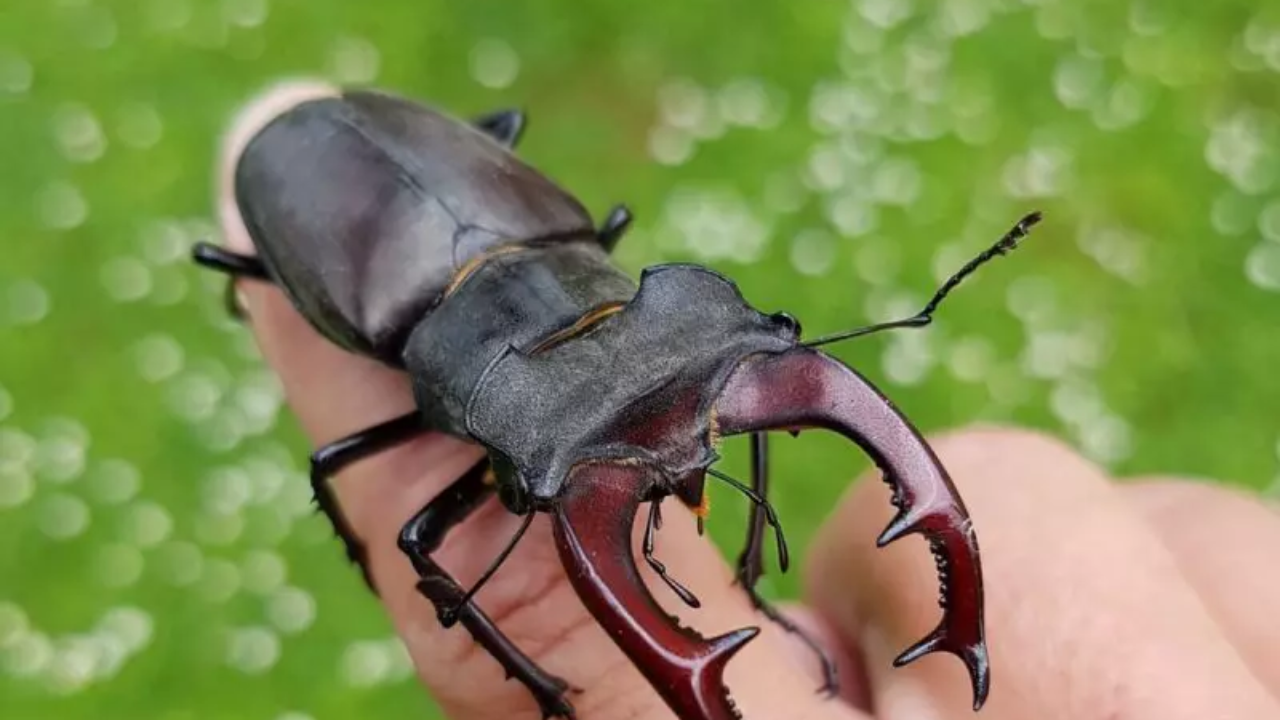


Meet the Rhinoceros Beetle, The Rare Insect That Can Bring You Money and Luck at the Same Time. A Unique and Important Insect in Medicine!
Imagine finding an insect so rare that it could instantly change your financial life. The rhinoceros beetle is exactly that rare animal, valued at up to R$ 500 thousand. Its unique appearance and market value make it one of the most valuable animals in the world.
Medicinal and Symbolic Importance
The rhinoceros beetle is not just a curiosity of nature; it has a high demand due to its relevance in medicinal purposes.
The bioactive compounds present in its body spark interest in pharmaceutical research, as they may contain antibacterial, antifungal, and antiviral properties.
-
How to Prevent Brown Recluse Spider Bites: Common Hiding Spots and Free Tips to Reduce Risks

-
Natto: The Unusual Japanese Superfood Gaining Popularity on Social Media and Driving Record Exports
-
Brazilian Mayor Goes Undercover as Homeless for 24 Hours to Assess Public Services

-
15-Year-Old Entrepreneur Malu Lira Publishes 20 Children’s Books on Financial Education, Earns $500,000, and Expands Her Project to the Amazon Rainforest




Additionally, studying beetles as a biological model helps understand processes that can be applied to human health.
In traditional medicine, parts of beetles are used in some cultures to treat various conditions, although more robust scientific validations are still lacking.
Unique Characteristics
One of the most notable characteristics of the rhinoceros beetle is its distinctive appearance. With large mandibles that resemble deer antlers, these beetles use their mandibles to fight for mating opportunities during the breeding season.
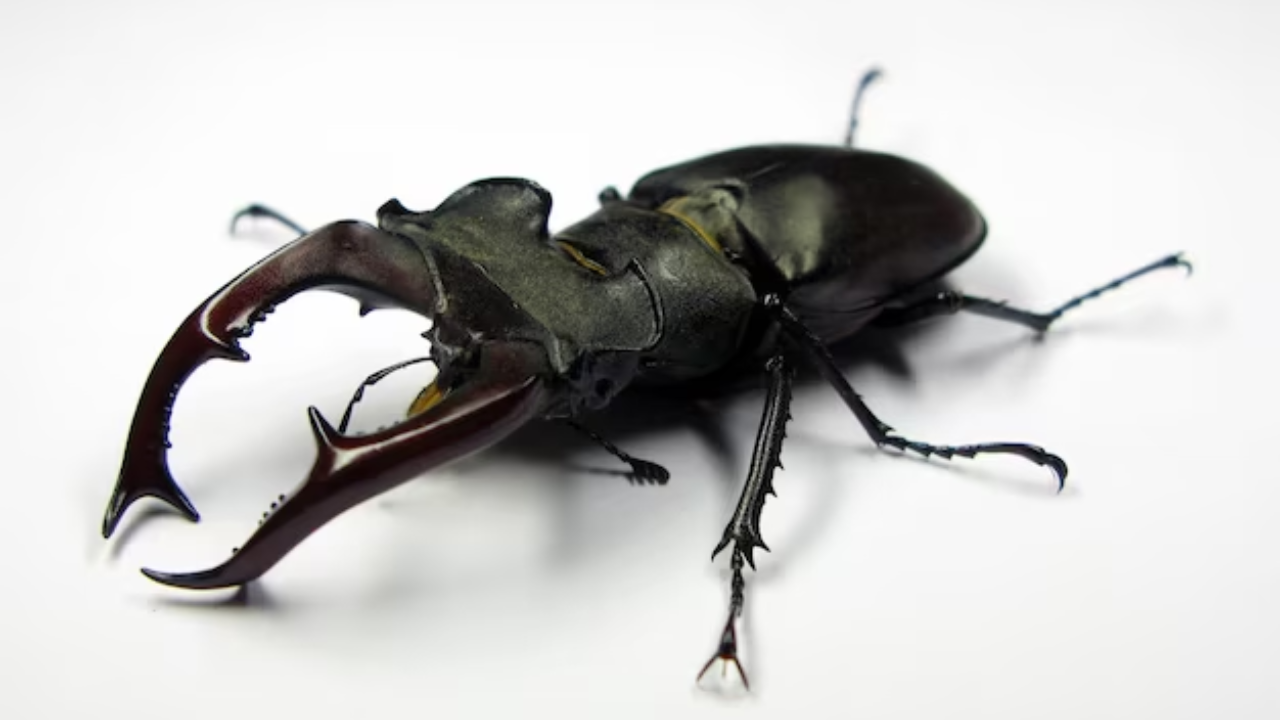
According to the European Rhinoceros Beetle Monitoring Network, the length of these insects can vary from 4 cm to 9 cm, and they have a lifespan ranging from three to seven years.
Life Cycle and Behavior
Most of the rhinoceros beetle life is spent as larvae underground, where they create tunnels, as reported by the Natural History Museum.
This behavior is essential for their survival and for the ecological balance of the areas where they are found.
History and Similar Cases
The interest in rare and valuable insects is not exclusive to the rhinoceros beetle. Throughout history, collectors and enthusiasts have invested fortunes in rare insects.
For example, the Atlas beetle, found mainly in mountainous regions of Asia, also attracts collectors due to its impressive wingspan and strength.
Additionally, the Hercules beetle, known for being one of the largest beetles in the world, is highly valued for its incredible appearance and strength.
These beetles can be seen in exhibitions and are often the subject of competitions where their strength is tested.
Economic and Environmental Impact of the Rhinoceros Beetle
The trade in rare insects can have a significant economic and environmental impact. On one hand, it offers a unique financial opportunity for those who can find and capture these insects.
On the other hand, indiscriminate capture can threaten local populations, highlighting the importance of sustainable and regulated practices.
Owning a rhinoceros beetle is not only a symbol of potential wealth but also a direct connection to nature and its complex processes.
This rare insect continues to fascinate and intrigue both nature enthusiasts and those seeking a stroke of financial luck.
The phenomenon of rare insects reminds us of the extraordinary diversity of the natural world and the impact it can have on our lives.
SOURCE: NDMAIS






