Vagner Espíndola, mayor of Criciúma, spent about 20 hours disguised as a homeless person, asked for help at traffic lights, received food, and slept under the eaves of a church. The action, recorded on video, generated repercussions and reopened the debate on public policies and the limits of a symbolic experience.
The mayor of a city in Santa Catarina disguised himself as a homeless person for almost 24 hours to practically evaluate the public services of his own city hall, but was recognized by a social assistance team before completing the planned time. The case gained attention and reignited an old debate.
According to CNN Brasil, the mayor of Criciúma, in Santa Catarina, Vagner Espíndola, known as Vaguinho, spent about 20 hours disguised as a homeless person. The initial idea was to remain for 24 hours, but the experience ended earlier when he was approached and recognized by a social assistance team from the municipality itself. The experiment took place on July 10, 2025, and was recorded in a video that the mayor posted on social media, and the objective, according to him, was to understand the situation and analyze the applied public policies.
The almost 24 hours of the mayor as a homeless person

The mayor of Criciúma, Vagner Espíndola, spent about 20 hours disguised as a homeless person to practically evaluate how public services aimed at this population work. According to the mayor, the initial idea was to remain on the streets for 24 hours, but the experience ended earlier when he was approached and recognized by a social assistance team from the municipality itself.
-
A Brazilian city decided to purchase a piece of the Atlantic Forest with more than 153,000 square meters, and owners of preserved areas will be able to submit proposals to transform the forest into a conservation unit.

-
Brazilian siblings aged 11 and 7 read 240 books in just one year and caught attention on social media: while many children spend hours on screens, they turned their family’s routine into an example of reading, discipline, and curiosity.
-
The legendary oak that, according to the story, hid Robin Hood from the Sheriff of Nottingham, died at the impressive age of 1,200 years in England, and the first chilling sign of its end was that no leaves sprouted on the tree this spring.

-
While the world looks at forests, the UN warns that the Earth is also threatened by the silent degradation of natural grasslands and savannas, ecosystems that cover half of the planet, support billions of people, and can exacerbate water, food, and climate crises.


The experiment took place on July 10, 2025, and was recorded in a video that Espíndola shared on social media. The objective, according to him, was to understand the situation of homeless people and analyze the applied public policies, and a city hall photographer followed everything from a distance, without interfering in the approach.
R$ 5 in 15 minutes and the family that didn’t recognize him
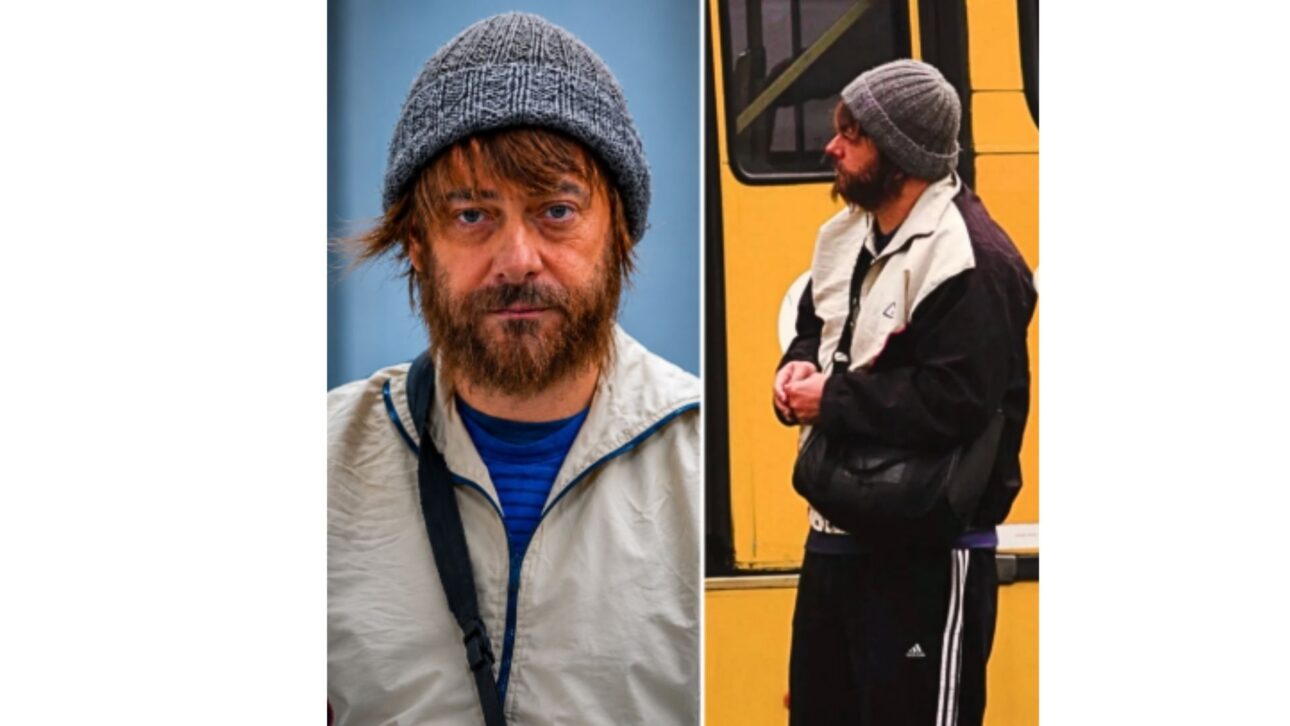
In the video, the mayor reports that, in just 15 minutes disguised as a homeless person, he had already received R$ 5. He also becomes emotional when recounting that he received food from residents along his journey through the city.
One of the most striking moments, according to his account, happened when he passed by his own wife and children, who did not recognize him in disguise. The scene reinforced, for the mayor, the degree of invisibility faced by those living on the streets.
The night in Pinheirinho and the revelation of identity
During the night, Espíndola roamed the Pinheirinho area and went to sleep under the marquee of the Santa Bárbara Church, in the same routine as a homeless person. The disguise kept him anonymous until the final moment of the experiment.
It was at this point that the mayor was approached by a man from the social assistance team, who tried to offer help without knowing his identity. After the approach, Espíndola revealed who he was, ending the experience that had lasted about 20 hours.
The debate on the limits of the experience
On social media, the mayor advocated for a firmer policy towards those living as homeless, framing the goal as removing people from the streets with dignity and ensuring that sidewalks and squares are spaces for family outings, not for abandonment or drug use. His statements summarize his view on the topic.
“We need to remove people from the streets with dignity and firmness,” stated Vagner Espíndola on social media.
The initiative generated repercussions and also opened a debate on public policies, social vulnerability, and the limits of a symbolic experience in the face of the reality lived by those on the streets. For critics, a 20-hour disguise does not capture the prolonged experience of those who are homeless for months or years, while supporters see value in the gesture of looking closely at the problem.
The mayor of Criciúma, Vagner Espíndola, disguised himself as a homeless person for about 20 hours to practically evaluate the public services of his own city hall, received R$ 5 and food, slept next to a church, and was recognized by a social assistance team before completing the planned 24 hours.
Recorded in a video on social media, the initiative drew attention and sparked a debate about public policies, social vulnerability, and the limits of a symbolic gesture in the face of the reality of those living on the streets. Between good intentions and criticism of symbolism, the experiment brought the discussion about homelessness to the forefront.
And you, what did you think of the mayor who disguised himself as a homeless person to evaluate the services of his own city? Do you believe the experience helps improve public policies, or is it just a symbolic gesture?