






 Portuguese
  Spanish


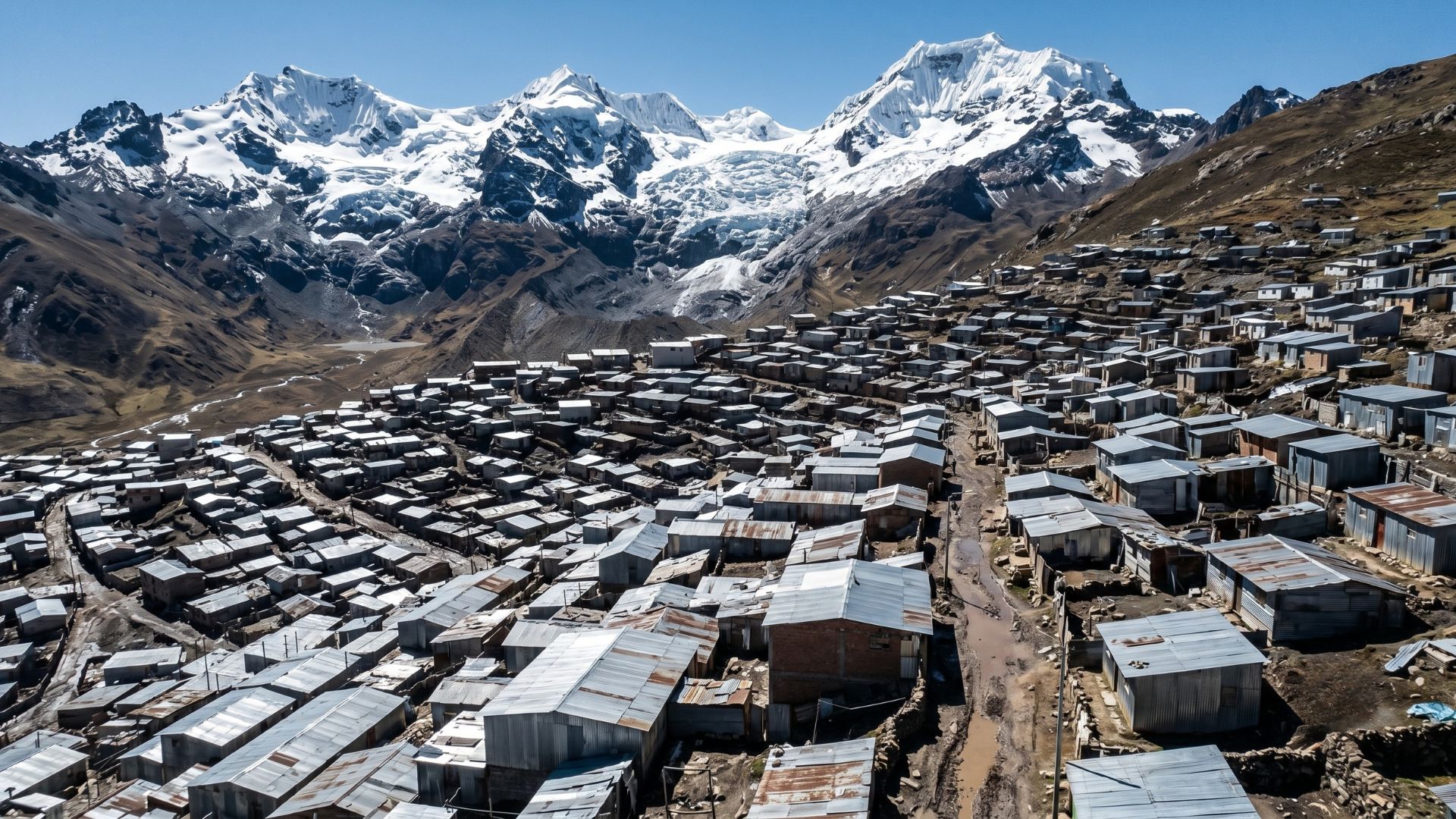

La Rinconada, in Peru, is located at 5,100 meters altitude, houses about 50,000 people, and is considered the highest permanently inhabited city in the world.
In the southern Andes of Peru, there is a city that challenges the limits of permanent human occupation. La Rinconada, in the region of Puno, is located about 5,100 meters above sea level and is widely recognized as the highest permanently inhabited city in the world. According to the record of the NASA Earth Observatory in August 2019, about 50,000 people live there, in an environment without running water, sewage system, or structured garbage collection.
The place emerged and grew driven by gold mining. According to National Geographic, the appreciation of the metal helped transform an old settlement of prospectors into a large city, built in one of the most hostile areas of South America. What sustains La Rinconada is not comfort or infrastructure. It is the hope of finding gold in a mountain where daily life requires effort even to breathe.
La Rinconada lives above 5,000 meters and makes altitude the center of the entire routine
Altitude defines everything in La Rinconada. At more than 5,000 meters, the air is much thinner than at sea level, making basic activities more tiring and imposing a continuous effort of adaptation on the body. According to National Geographic, the city exists in an extreme environment, where human permanence itself already represents a daily challenge.
-
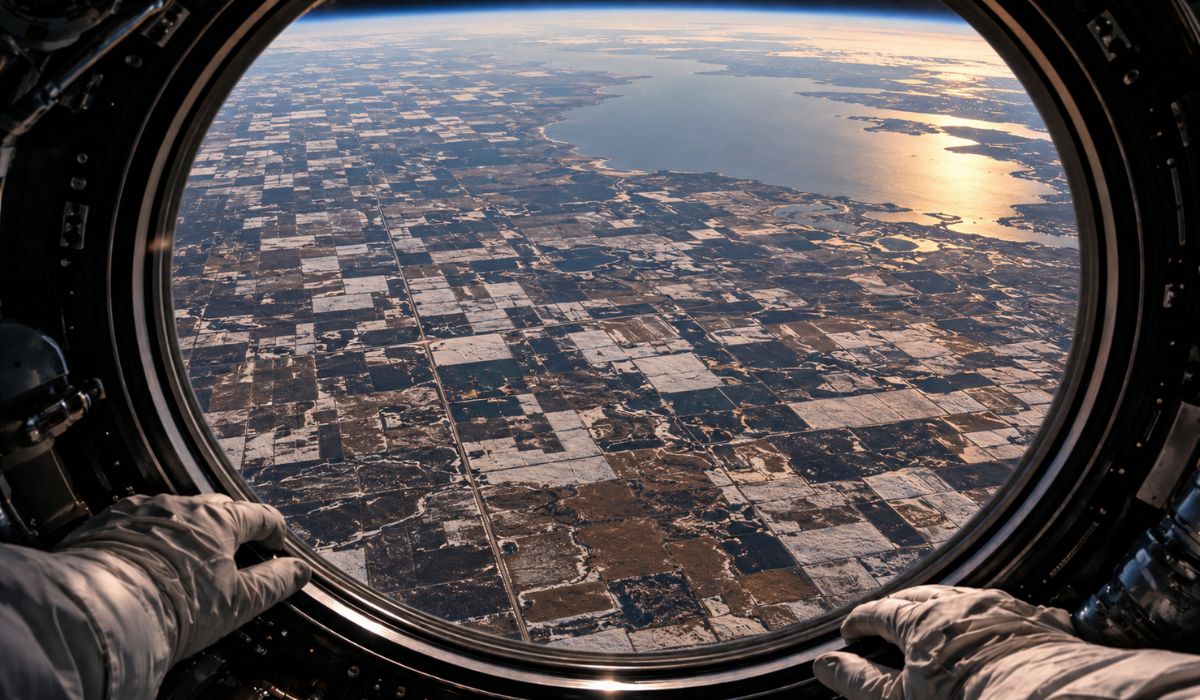
Seen from space, an astronaut captures in Canada a geometric carpet of crops drawn over the backdrop of a ghost lake that disappeared 12,000 years ago, was once larger than all the Great Lakes combined, and left a scar of fertile mud that still sustains agriculture.

-
Billionaire says the most valuable skill will help overcome job elimination caused by AI, following Bill Gates’ fears

-
A Dutchman created a ‘box’ that makes trees grow in the desert almost without water and without irrigation: the invention has already brought seedlings to dozens of countries and achieves up to 90% survival where common planting did not exceed 10%.

-
Abandoned warehouse hid a giant collection of rare computers, with over 2,000 artifacts from the 1930s to the 1980s.





This condition helps explain why La Rinconada is often cited as a unique case on the planet. It is not just a high city. It is an entire city functioning at an altitude where much of the world’s populations would quickly feel the effects of low oxygenation.
This is why local life revolves around this physiological limitation. Physical effort weighs more, fatigue arrives sooner, and the routine becomes inseparable from the extreme altitude that surrounds the city on all sides.
Gold rush transformed an Andean camp into a city of 50,000 inhabitants
The growth of La Rinconada did not happen through urban planning, but through the economic force of mining. According to National Geographic, the rise in gold prices transformed the former miners’ camp into an improvised urban center, attracting thousands of people to a region where almost everything works against human permanence.
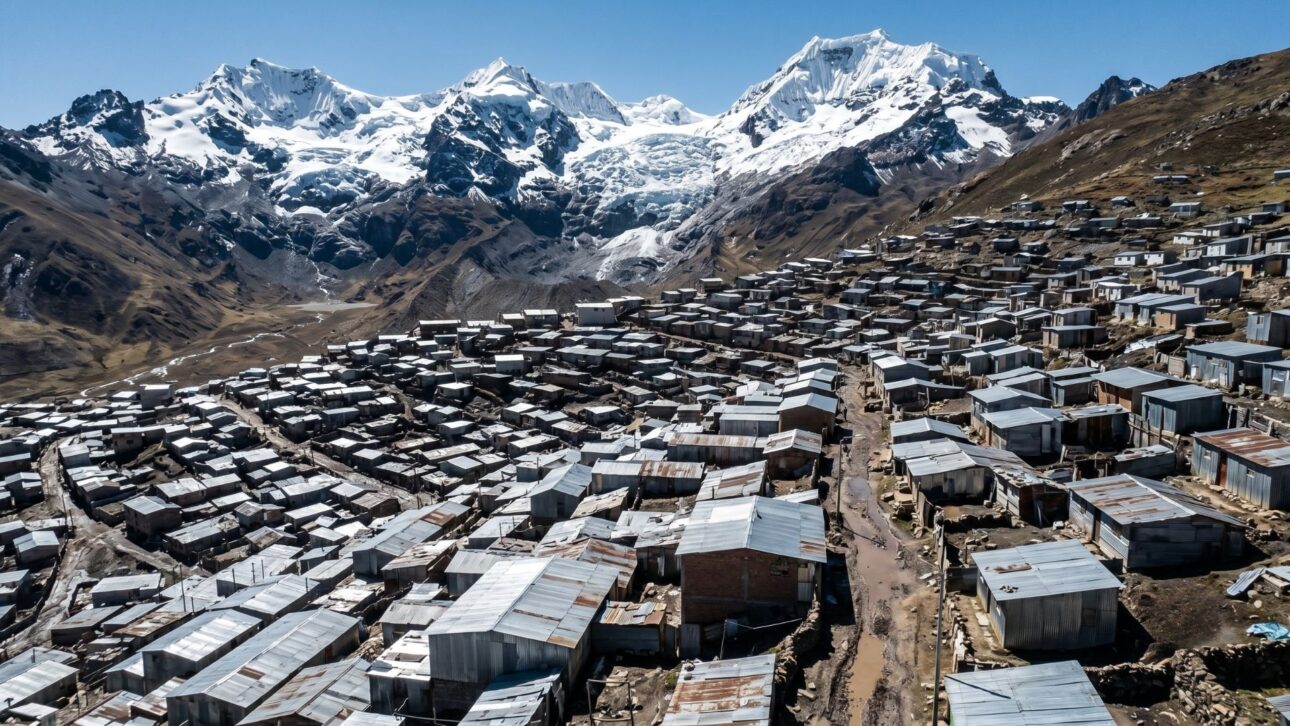
The city expanded because gold continued to function as a promise of ascension in a place where almost nothing else would justify the presence of so many people. The result was an accelerated, disordered occupation deeply dependent on mineral extraction.
This process helps explain why La Rinconada grew faster than its infrastructure. The logic of the city was shaped much more by the gold rush than by any consistent urban project.
Highest city in the world grew without piped water, sewage, or adequate waste collection
According to NASA Earth Observatory, La Rinconada has no piped water, sewage system, or structured waste collection. This data is central to understanding why the place often attracts international attention not only for its altitude but also for the extremely precarious conditions of urbanization.
The contrast is striking because the city houses a population comparable to many formal urban centers, but operates without some of the most basic services that sustain everyday life in any modern environment. Instead, the routine is marked by improvisation, mud, waste, and strong environmental pressure.
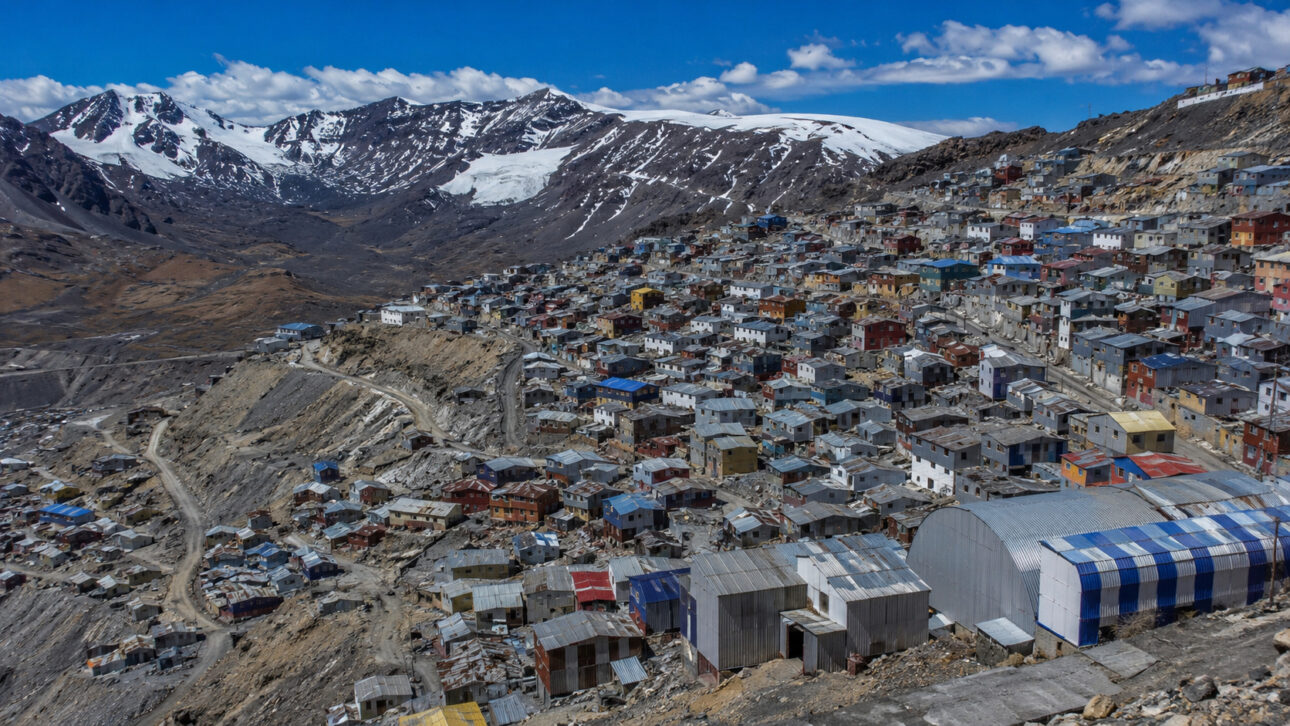
This lack of infrastructure reinforces the image of La Rinconada as a city pushed by mining far beyond what the environment and public authorities could keep up with. Gold attracted the population, but did not bring urban development at the same pace.
Intense cold and isolation make La Rinconada even more hostile
Besides the extreme altitude, the city faces a permanently harsh mountain environment. According to National Geographic, La Rinconada is a settlement of hard existence, shaped by constant cold, lack of comfort, and geographical isolation in the heart of the Andes mountain range.
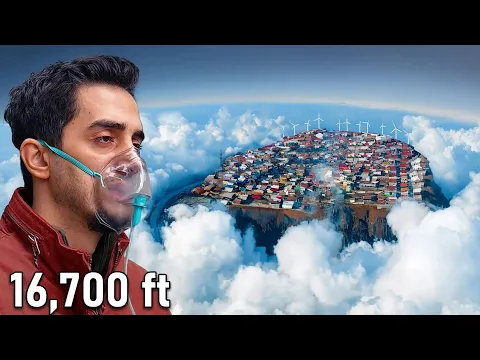
The urban landscape seems glued to the mountain, surrounded by ice, rock, and mining. This creates a landscape that reinforces the sense of human frontier, as if the city had been pushed to a point where nature, altitude, and economy coexist in permanent tension.
Seen from afar, La Rinconada seems improbable. Seen up close, it confirms why it is considered one of the most extreme urban experiences on Earth. It is not just a high city. It is an entire city functioning in an environment that seems to daily test how far the human body and social structure can go.
La Rinconada became a global symbol of how gold can push human occupation to the limit
What makes La Rinconada impressive is not just the fact that it is the highest city in the world. It is the rare combination of extreme altitude, gold mining, lack of infrastructure, and large-scale human permanence. Few places bring these elements together so intensely.
According to NASA Earth Observatory and National Geographic, the city exists because gold continues to attract people to an area where living is already, in itself, a physical and social challenge. This logic has transformed the place into a global symbol of how the pursuit of wealth can lead human settlements to almost unimaginable limits.





