





 Portuguese
  English
  Spanish
  3 min of reading
  0 comments


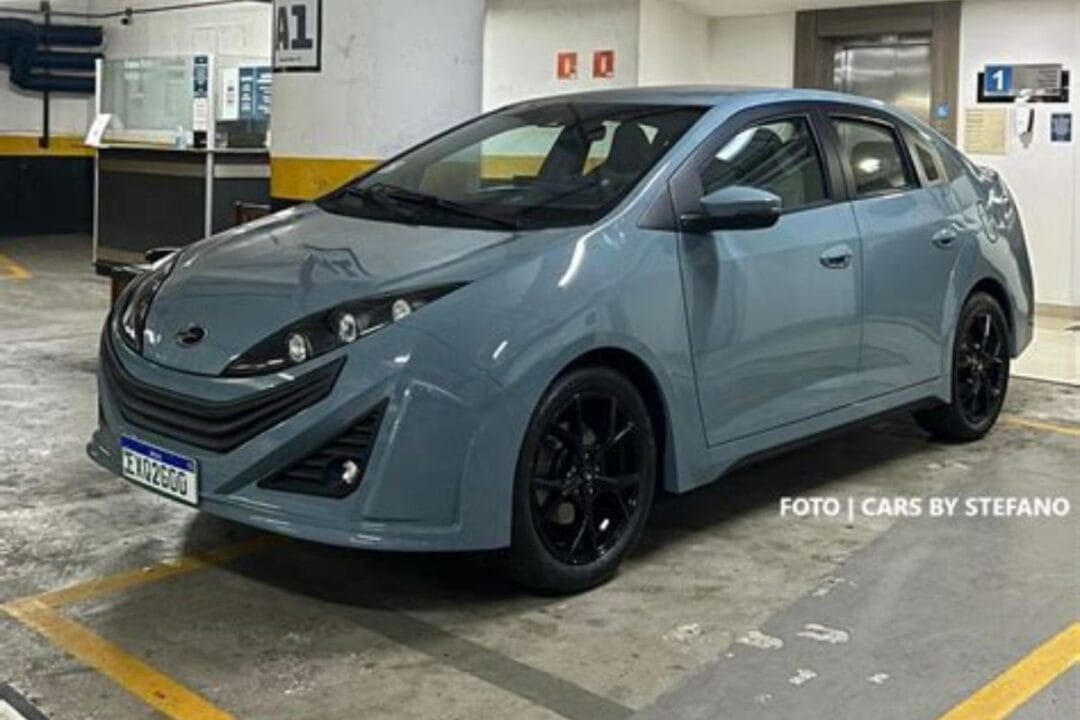
Brazilian Startup Model Combines 165 hp Electric Motor with 1.0 TurboFlex Engine, Promising Revolution in the National Automotive Market
Brazil is preparing to receive its first hybrid vehicle with a national project. Developed by the startup Lecar, the model 459 emerges as an innovative alternative in the Brazilian automotive market, combining electrification technology with the practicality of an internal combustion engine.
With a launch scheduled for 2026, the Lecar 459 uses the EREV (Extended Range Electric Vehicle) configuration, a solution that prioritizes autonomy and adapts to the reality of Brazilian charging infrastructure. The vehicle, which was initially intended to be fully electric, evolved into a hybrid format for greater versatility.
Dual-Personality Powertrain
The heart of the Lecar 459 consists of a hybrid system that integrates a 165 hp (120 kW) HEPU POWER electric motor and an impressive 26.3 kgfm of torque. The electric unit works in conjunction with a 1.0 liter TurboFlex internal combustion engine, the Horse HR10DDT, developed through a partnership between Renault and Geely, capable of delivering 122 hp and 22.4 kgfm.
-
Mitsubishi surprises the Brazilian market with cuts of up to R$ 55,000, expands bonuses for trade-ins, and pressures rivals in SUVs and pickups.

-
It is not the oil-bathed belt: Chevrolet Sonic addresses complaints from Onix owners with an unprecedented change in the design, new suspension, MTV technology in the shock absorbers, and fuel consumption of up to 14.8 km/l. Chevrolet Sonic addresses complaints from Onix owners. And it is not the belt.

-
Chevrolet Onix Plus 2027 does 11.1 km/l with ethanol, gains an exclusive ECO version, accelerates from 0 to 100 km/h in 10.5 seconds, has a trunk capacity of 500 liters, and is priced at R$ 103,990 to compete with the HB20S.
-
Colossal ship departs from China, crosses the ocean in 10 days with 4,809 BYD cars on board, and docks in Melbourne, Australia.


This configuration allows the Lecar 459 to travel up to 100 km using only the electric mode, thanks to the 18.4 kWh Winston LiFePO4 battery. In combined mode, the total autonomy is impressive: up to 1,000 km without the need for refueling or recharging.
Performance also surprises for a vehicle in this category, with acceleration from 0 to 100 km/h in 10.9 seconds.
Domestic Production with Robust Investments
The manufacturing of the Lecar 459 will take place in Sooretama, Espírito Santo, where the company will build its production unit. Production is scheduled to begin in August 2026, with a capacity of up to 120,000 vehicles annually.
The estimated investment for the project is R$ 870 million, demonstrating the startup’s commitment to the development of the national automotive industry. The factory is expected to generate hundreds of direct and indirect jobs in the region.
Competitive Price and Pre-Sale Strategy
The Lecar 459 is already available for pre-sale at a promotional price of R$ 147,900 for advance reservations, with a payment of R$ 1,300. After this initial period, the official price will be R$ 159,300, positioning the model as an accessible alternative in the hybrid segment.
The company offers a 3-year warranty for the vehicle and an impressive 10-year coverage for the battery, reflecting confidence in the durability of the electric system.
Modern Design and Generous Interior Space
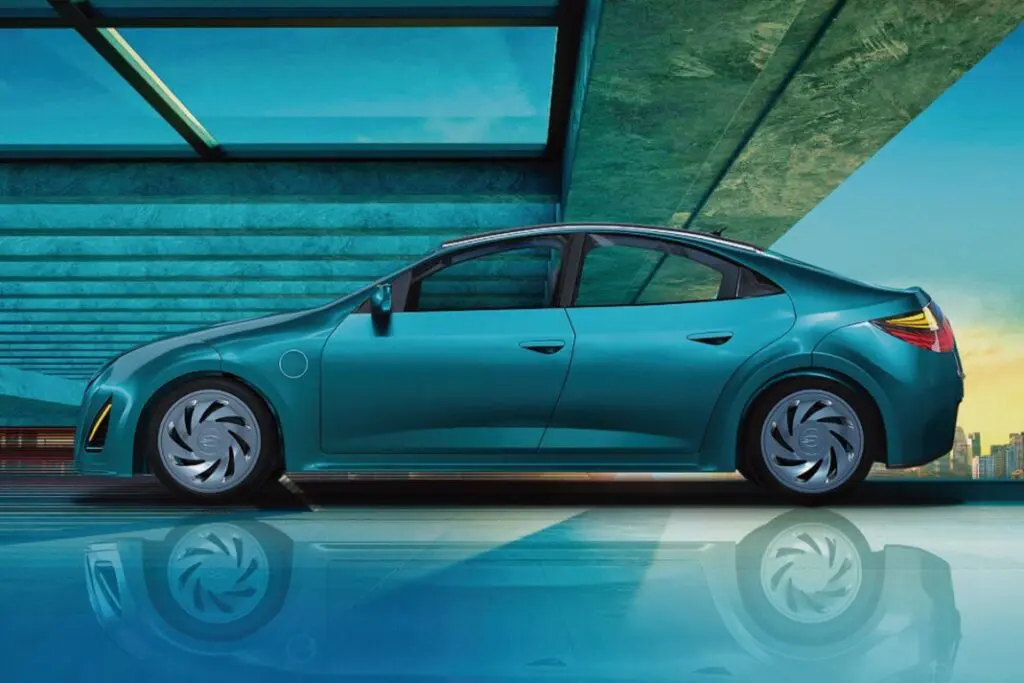
With dimensions of 4,350 mm in length, 1,820 mm in width, 1,520 mm in height, and a wheelbase of 2,700 mm, the Lecar 459 is positioned as a medium-compact crossover.
The trunk offers a capacity of 530 liters, ideal for family trips. The interior features a minimalist dashboard dominated by a 13-inch multimedia center, with finish options in caramel, off-white, and black.
Externally, the design of the Lecar 459 shows inspirations from models like the Tesla Model Y, betting on aerodynamic lines and modern visual language, without sacrificing a unique identity.









-

-

3 people reacted to this.