






 Portuguese
  Spanish


With Default Rates in Agribusiness Soaring, Main Federal Bank Sees Profit Drop from R$ 17.3B to R$ 11.2B and Now Seeks Revenue in Insurance and Consortiums
The profit of a large federal bank, Banco do Brasil (BB), dropped 40% in the first half of this year, falling from R$ 17.3 billion to R$ 11.2 billion compared to the same period in 2023. According to an analysis by the InfoMoney portal, the main driver of this abrupt decline is the significant increase in default rates in agribusiness, a traditionally strong sector for the institution.
The wave of defaults is not limited to BB; Caixa Econômica Federal, Banco do Nordeste (BNB), and Banco da Amazônia (Basa) also recorded worsening indicators. This scenario, driven by severe climate problems and high credit costs, is forcing BB to shift its strategic focus, seeking to offset losses by selling products such as consortiums, insurance, and payroll loans.
The X-Ray of Defaults: Why Has Agribusiness Stopped Paying?
The frustration in the fields was the main trigger for delays in payments that affected federal public banks. According to Henrique Southier, investment advisor at Ável Investimentos, in a statement to InfoMoney, Brazil faced extreme weather conditions that directly impacted farmers’ payment capacities. There was an excess of rain in the South Region and, simultaneously, a severe drought in the Northeast and the Amazon, severely compromising crops.
-
Brazil’s 2026 Tax Refund: Record 9.58 Million Filers in Largest Payout Ever, But a Key Detail on Priority Recipients Draws Nationwide Attention

-
Itaú Alters Hybrid Work Model, Increasing Office Days from 2028, Prompting Employees to Adjust to New Routine
-
Facing Labor Shortage, Japan Plans to Invest $34 Million to Attract Foreign Workers in Construction, Healthcare, Industry, and Commerce

-
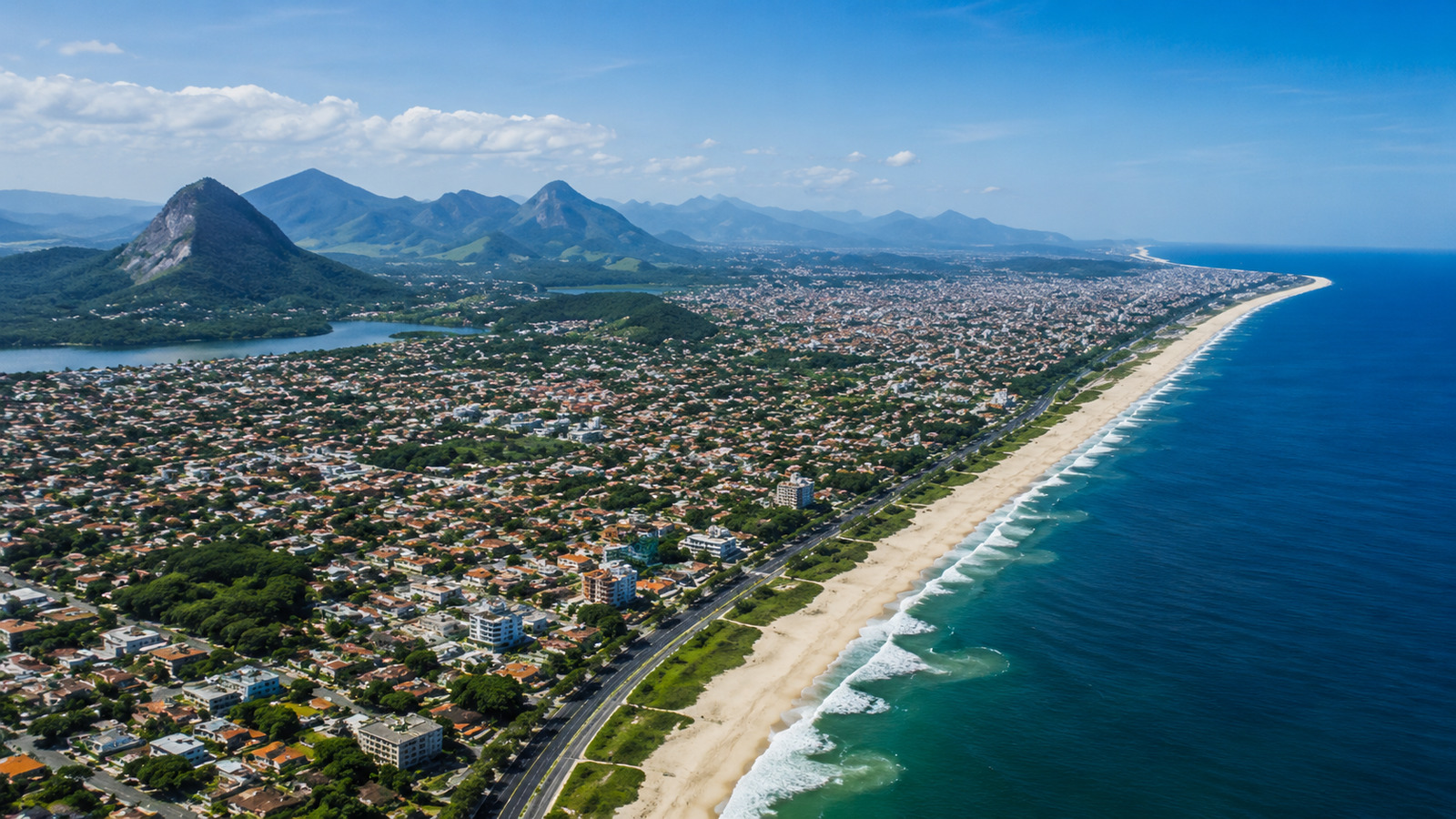
Brazilian City Makes Remarkable Leap, Becomes 4th Wealthiest in the Country with GDP of R$ 134.1 Billion



In addition to climatic factors, the macroeconomic scenario weighed against the sector. The basic interest rate, Selic, at 15% per year (as cited in the analysis), increased the cost of credit overall. Southier highlights that this increase erodes borrowers’ payment capacity, making the credit portfolio profile in agribusiness, although promising, a much greater challenge for public banks at this moment.
The Impact on Public Banks’ Balance Sheets
Banco do Brasil was the most affected, being the only public bank to register a decline in results. The reflection of the crisis in the field became evident in its semiannual balance sheet, released in August. InfoMoney details that the default rate (delays over 90 days) in BB’s portfolio jumped from 3% in the first half of 2023 to 4.21% in the same period this year, being directly driven by agribusiness delays.
Caixa Econômica Federal, which recently intensified its bet on rural credit, saw the situation worsen even faster. The balance sheet for the first half of this year showed that, from April to June, agribusiness defaults at the institution shot up to 7.02%, compared to 4.3% recorded in the first three months of the year. According to the report, the bank’s immediate reaction was to restrict credit to the sector.
Alert Sounds at BNB and Basa
The problem is also reflected in regional development institutions, which are crucial for local development. At Banco do Nordeste (BNB), the default rate rose from 3.2% (at the beginning of 2023) to 3.61% in the first half of this year. Although it seems like a smaller percentage point increase, Henrique Southier from Ável warns InfoMoney that the number “demands greater attention from the bank,” as it may lead to an increase in provisions for doubtful debts (PDD), which would impact future profit.
Banco da Amazônia (Basa) registered a proportionally larger jump: defaults increased from 1.87% at the start of 2023 to 3.45% in the most recent period. The analysis highlights the institution’s vulnerability, whose strong performance in regional agriculture makes it “more susceptible to the impacts of extreme climate events,” such as the historic drought in the Amazon, which directly affects local farmers’ payment capacity.
The New Strategy of the Federal Bank: Focus on Insurance and Consortiums
With a 40% drop in profits (from R$ 17.3B to R$ 11.2B) caused by high exposure to rural credit and the consequent increase in provisions, the federal bank finds itself compelled to recalibrate its course. InfoMoney’s report points out that the institution is being forced to seek alternative revenues more swiftly, focusing on retail products such as consortiums, insurance, investment funds, and payroll loans.
This shift in focus occurs while BB and other public banks face another challenge: digital transformation. Alexandre Martins, an Analyst at Modulo Capital, mentioned by InfoMoney, emphasizes that this process is already advanced in private banks and is native to digital banks. For the federal bank, there is pressure to reduce service costs and compete in this new landscape while dealing with significant losses in agribusiness.
In summary, the strong dependence on agribusiness, combined with severe climate events and high-interest rates, has exposed a significant vulnerability in the balance sheet of the country’s main federal bank. The substantial drop in profits necessitates an urgent strategic reorientation to diversify revenues, while digital competition intensifies.
Do you agree with this change? Do you think it impacts the market? Leave your opinion in the comments; we want to hear from those who experience this firsthand.









O BB precisa urgentemente sair dessa área atrasada que é o agronegócio. Este segmento não é ruim só para o banco, mas para o país, que não se desenvolve.
Thank you for the good writeup It in fact was a amusement account it Look advanced to far added agreeable from you However how could we communicate
Çok yararlı bi yazı olmuş hocam teşekkür ederim .Sizin yazılarınızı beğenerek okuyorum elinize sağlık.