






 Portuguese
  Spanish


Chinese maritime engine combines high power, majority use of methanol, and digital control in a naval industry project aimed at reducing emissions in large-scale oceanic vessels, without altering the operational logic required by international cargo transport.
China presented in Shanghai a dual fuel maritime engine powered mainly by methanol, developed by the China State Shipbuilding Corporation, CSSC, with a maximum power of 64,500 kilowatts and a weight of 1,953 tons.
The equipment was announced as a high-power solution for oceanic ships and is expected to debut in a 16,000 TEU container ship, a measure used in the sector to indicate the capacity for standard container transport.
According to information released by ECNS and the state agency Xinhua, the engine combines methanol and diesel in a propulsion architecture aimed at large vessels, a segment pressured by efficiency and emission reduction targets.
-
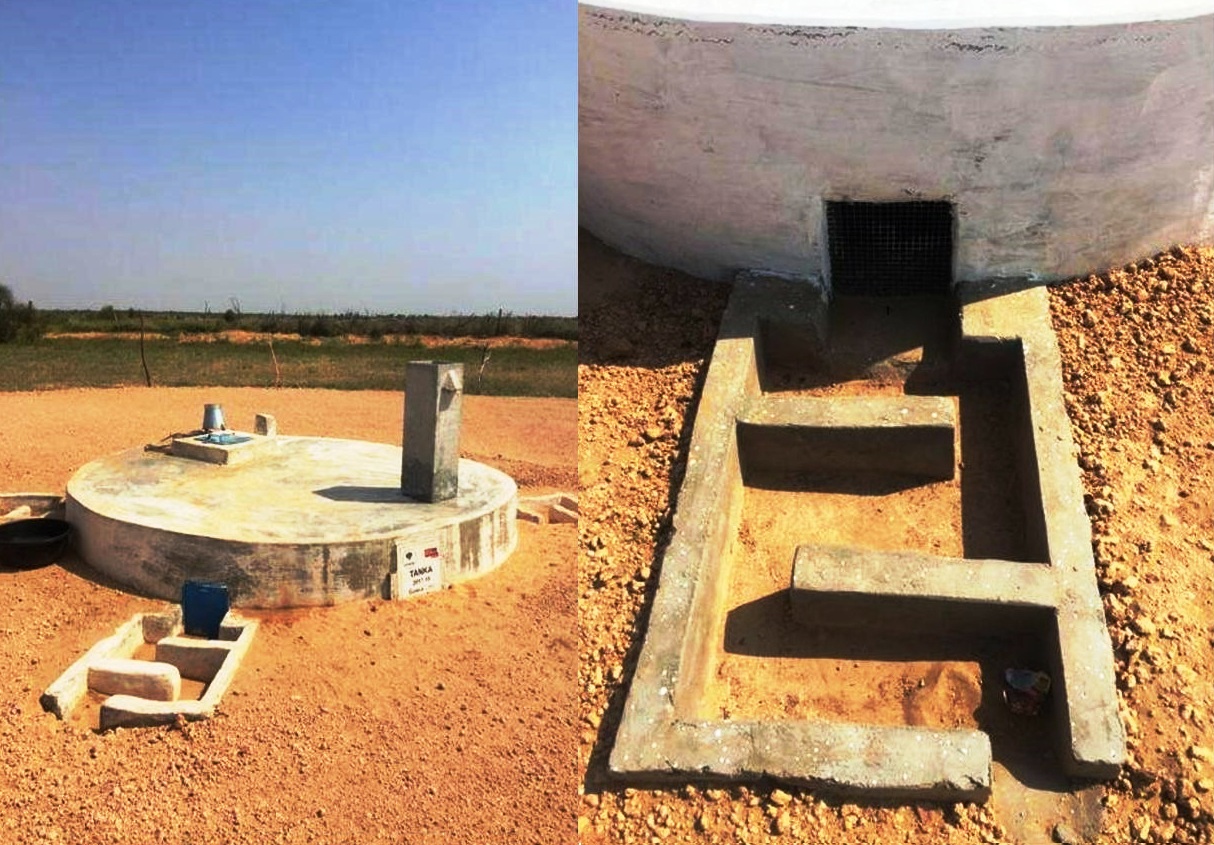
In the World’s Most Densely Populated Desert, Families Dig Funnel-Shaped Underground Cisterns to Capture Rare Rainfall and Store Drinking Water for Up to Eight Months

-
Smart Glass Revolutionizes Privacy: Touch-Activated Opacity Transforms Windows into Connected Home Features with App and Voice Control

-
Young Innovators from Brazil Turn Discarded Plastic into Eco-Friendly Bricks Using Coconut Fiber, Offering a Sustainable Alternative for Construction
-
Brazilian Scientists Among Team Proposing to Turn Ocean Depths into Giant Gravity Battery Using Cargo Ships and Subsea Cranes




In the project’s announcement, official sources highlighted three technical characteristics of the equipment: industrial scale, high energy capacity, and adaptation to alternative fuels, without abandoning the operational structure used by large maritime engines.
Methanol engine targets large ships
CSSC described the engine as a high-power equipment for ocean navigation, developed to meet vessels operating on long international routes and relying on mechanical stability during prolonged voyages.
Weighing nearly 2,000 tons, the unit was presented as a large-scale industrial application, intended for ships compatible with the cargo volume moved by international maritime trade.
The maximum power of 64,500 kilowatts places the equipment in a range used by high-capacity vessels, where the propulsion system affects consumption, autonomy, cruising speed, and logistical planning.
In operations of this scale, the partial replacement of fuel does not eliminate emissions associated with navigation, but can reduce diesel dependency in a sector that still consumes large volumes of fossil fuels.
According to ECNS, the engine achieves a methanol substitution rate of over 95% compared to conventional diesel propulsion, indicating that most of the energy used in operation comes from this alternative fuel.
The same disclosure states that, in this configuration, the reduction of carbon dioxide emissions exceeds 7.5% compared to engines powered solely by diesel.
In ships that operate for long periods throughout the year, percentage variations in consumption and emissions can represent a significant difference in the operational balance, due to the volume of fuel used in intercontinental crossings.
Digital system reinforces operation control
Besides the choice of methanol, the project includes an intelligent digital control system, developed to monitor the engine operation more precisely and adjust fuel usage according to operating conditions.
Xinhua reported that the equipment also features a flexible dual fuel injection system, a resource used to manage the mixture between methanol and diesel according to navigation and load requirements.
This technical set aims to preserve performance and reliability, two operational requirements for ships that remain at sea for weeks and need to meet defined deadlines in global transport chains.
Another point mentioned in the official disclosure is the use of 5G communication technology for real-time data transmission and remote monitoring of engine operation.
With this resource, operators can monitor performance, consumption, and operating conditions from a distance, which enhances technical supervision and preventive maintenance capacity during the equipment’s lifespan.
Digitalization has become part of recent naval industry projects because failures at sea can cause logistical delays, increased operational costs, and loss of efficiency in high-traffic commercial routes.
Methanol advances as an alternative in maritime transport
Methanol has been evaluated by navigation as a liquid fuel, with less complex storage and handling than some alternatives in development, although its climate impact depends on how it is produced.
When obtained from fossil sources, methanol does not eliminate emissions in the complete production and use cycle, but it can offer operational gains compared to traditional maritime fuels.
Renewable methanol, on the other hand, is pointed out by studies and industry initiatives as a route with greater potential for reducing emissions associated with long-distance maritime transport, provided there is supply on a scale.
In this scenario, dual fuel engines are treated by the industry as a transition technology, as they allow for high proportion methanol use and maintain the possibility of diesel operation in specific situations.
The adoption of this type of solution depends not only on the engine installed on board but also on port infrastructure, regular fuel supply, supply contracts, and operational costs on major maritime routes.
Without continuous availability of methanol in shipping corridors, expansion tends to follow ship orders, port supply investments, environmental regulations, and commercial decisions by shipowners and logistics operators.
CSSC plans to expand engine line
CSSC reported that it intends to launch other methanol engine models in the next two to three years, with potential applications in specialized vessels, such as chemical tankers.
This forecast shows that the engine presented in Shanghai is part of a broader technological line of the Chinese naval industry, and not just a solution aimed at a single type of vessel.
The project is also part of China’s movement to expand its presence in higher value-added segments of shipbuilding, including propulsion systems, digital control, and solutions related to energy efficiency.
By focusing the announcement on the propulsion system, CSSC directed the presentation to a decisive part of the ship, responsible for influencing consumption, performance, and emission profile during operation.
The planned debut on a 16,000 TEU container ship gives operational dimension to the project, as ships of this size operate on high-volume international routes and connect ports on different continents.
In this segment, technical changes can have an amplified effect because the vessels concentrate large cargo capacity and directly participate in supply chains used by companies and consumers in various countries.
The new engine was presented by CSSC as a combination of power, digitalization, and alternative fuel for a market seeking to reduce emissions without compromising the operation of large vessels.
The expansion of methanol in navigation, however, will remain linked to factors external to the equipment’s performance, such as fuel supply, price, port infrastructure, and the speed of commercial fleet renewal.


Be the first to react!