Portuguese
  Spanish


Chile Stands Out As A Trustworthy And Stable Partner; Lula Urges Brazil To Seize This Geopolitical Scenario To Strengthen Ties And Grow With Courage.
During the closing of the Brazil-Chile Business Forum, held in Brasília, President Luiz Inácio Lula da Silva made a strong appeal for courage and strategic action in light of changes in the global geopolitical landscape. At a time of instability in international markets international, Lula emphasized that Brazil must not be intimidated, but rather see opportunities amidst challenges.
“Our economic growth depends exclusively on our willingness to grow and build strategic relationships,” said the president, alongside Chilean President Gabriel Boric.
The event was hosted by the National Confederation of Industry (CNI) in partnership with the Fabric Promotion Society (SOFOFA), gathering over 250 representatives from the business sector.
-
European Parliament Approves Digital Euro, Aiming to Challenge Visa and Mastercard’s Dominance and Transform Payments Across Europe by 2029

-
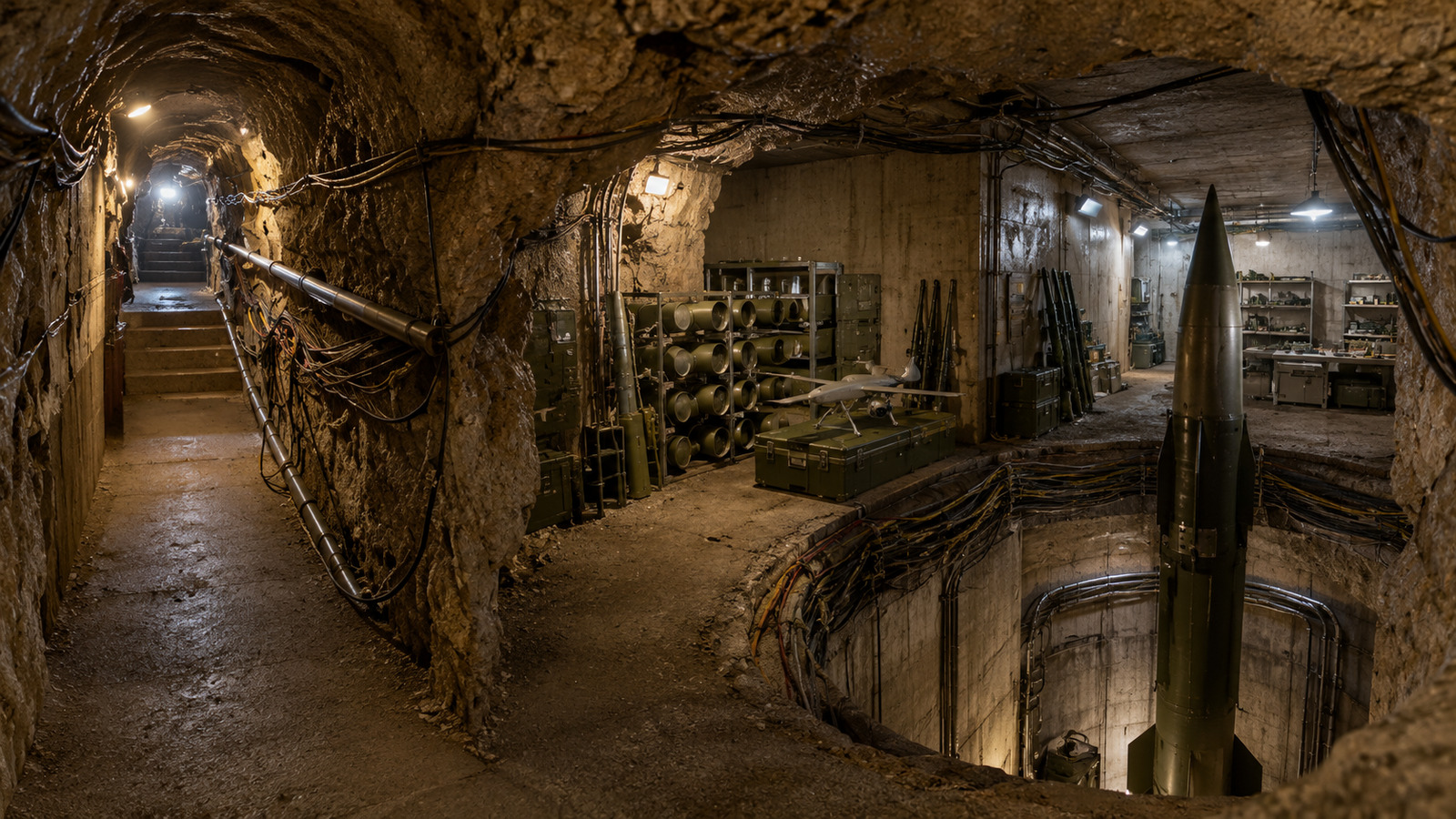
Israel finds Hezbollah militarized tunnel over 200 meters long under village, with 4 missile launch shafts, 12 chambers, anti-tank missiles, drones, and weapons depots at a depth of 25 meters.

-
Ukraine launches largest drone attack on Moscow since 2022, Russia claims to have intercepted nearly 200 aircraft near the capital, Kapotnya refinery targeted again, and offensive reignites alert about war reaching the Russian energy heart just a few kilometers from the Kremlin.

-
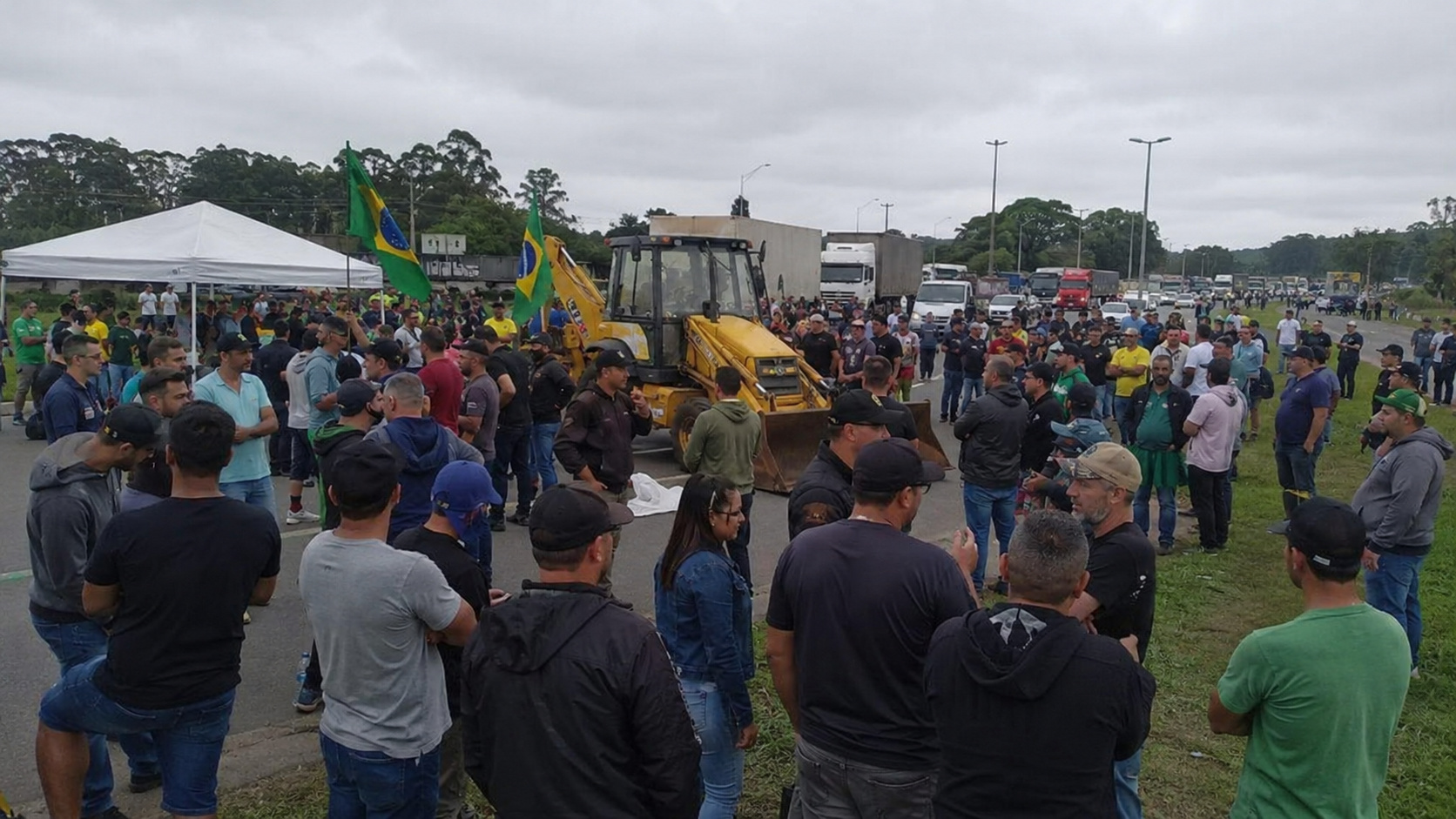
Truck drivers, freight, and fines from 2022 take center stage in politics: Chamber approves MP with amnesty, mandatory tracking by CIOT, million-dollar penalties, and new minimum wage for those who spend more than 24 hours on the road.


Brazil-Chile Partnership Gains New Momentum
The meeting between the leaders reinforced the alliance between Brazil and Chile, two countries that, despite their differences, share democratic values and a history of economic cooperation.
Lula highlighted that attracting investments is directly linked to competitiveness, which depends on factors such as education, science, and the formation of a qualified workforce.
Boric, in a firm speech, emphasized that Chile remains a trustworthy partner.
“Chile is a trustworthy partner, a stable country that respects the rules of the game; and our commitment to socioeconomic stability makes our country an excellent destination for investment, especially in times of turbulence,” he pointed out.
With a bilateral trade that exceeded US$ 11.7 billion in 2024, with US$ 6.7 billion in Brazilian exports and US$ 5 billion in imports from Chile, the relationship between the two countries goes beyond rhetoric.
The massive presence of manufacturing companies in the exchange — with 69.8% of Brazilian exports to Chile and 64.8% of Brazilian imports consisting of industrialized products — shows there is a strong and promising business ecosystem.
Three Strategic Priorities Between Brazil And Chile
During the forum, CNI Vice President Mário Aguiar presented three priorities to further strengthen this partnership:
- Implementation of the New Origin Regime: Updating the rules of origin is the final step to complete the Free Trade Agreement between the two countries. The text has already been negotiated and is in the translation phase, with an expected entry into force in 2025.
- Conclusion of the Mutual Recognition Agreement for Authorized Economic Operators (AEO): This agreement will facilitate trade by mutually recognizing the certifications of authorized economic operators, reducing customs bureaucracy and logistical costs.
- Expansion of International Regulatory Cooperation (IRC): The initial focus is on the cosmetics sector, but the model can be expanded to other areas, improving the fluidity of bilateral trade.
A New Look At Trade And Development
Lula’s speech went beyond the economy. He drew attention to Brazil’s role in building a new, more balanced international order.
“This is not a moment to be fearful; it is a moment to create courage and decide what we want to be,” he stated. This statement reflects a geopolitical vision where Brazil positions itself as an active player, seeking to diversify trade partners and avoid dependence on major powers.
Chile, for its part, continues to bet on trade diplomacy as a tool for stability. Boric reinforced that the country will not align exclusively with any global power, but will maintain its strategic autonomy through agreements with various partners — and Brazil holds a prominent place in this plan.
In addition to the political leaders, the forum included entrepreneurs, representatives of cooperatives, and managers of small and medium-sized enterprises.
Alongside the main event, specific panels discussed themes such as women entrepreneurship, integration of productive chains, and sustainable finance.
According to Mário Aguiar, collaboration between public authorities and the productive sector is essential to transform ideas into effective policies.
“With understanding and unity among entrepreneurs and public authorities, Brazil and Chile can find effective solutions to face common challenges and seize the opportunities that are opening up amid the current scenario of uncertainty,” he declared.
Energy, Tourism, And Innovation: Axes Of The Future
During the panels, strategic sectors such as clean energy, sustainable tourism, and technological innovation were highlighted as priority areas for the expansion of cooperation between Brazil and Chile.
The green agenda, in particular, received attention for being aligned with the climate commitments made by both countries.
Energy transition, digitalization, and modernization of productive chains were pointed out as pathways for more inclusive and sustainable growth.
In this sense, the two countries seek to develop joint projects involving everything from technical training to the creation of common regulatory frameworks.
The harmony between Lula and Boric at the event made it clear that, despite ideological differences, there is a strong desire to deepen ties. Both presidents advocate for a development model based on social justice, respect for the environment, and valuing democracy.
This affinity also reflects in their common stance regarding geopolitical challenges: neither wishes to submit to the logic of rigid blocs or excessive protectionism. On the contrary, they seek flexibility, dialogue, and bridge-building — especially among Latin American countries.
With agreements in progress, exchanges of experiences, and institutional strengthening, Brazil and Chile are moving towards deeper regional integration, based on mutual trust and concrete benefits for their peoples. The moment is one of cautious optimism, but the potential is enormous.
The Brazil-Chile Business Forum symbolizes this new time, where geopolitics ceases to be a game of distant forces and begins to be built on regional cooperation and strategic action.