






 Portuguese
  Spanish
  3 min of reading
  0 comments


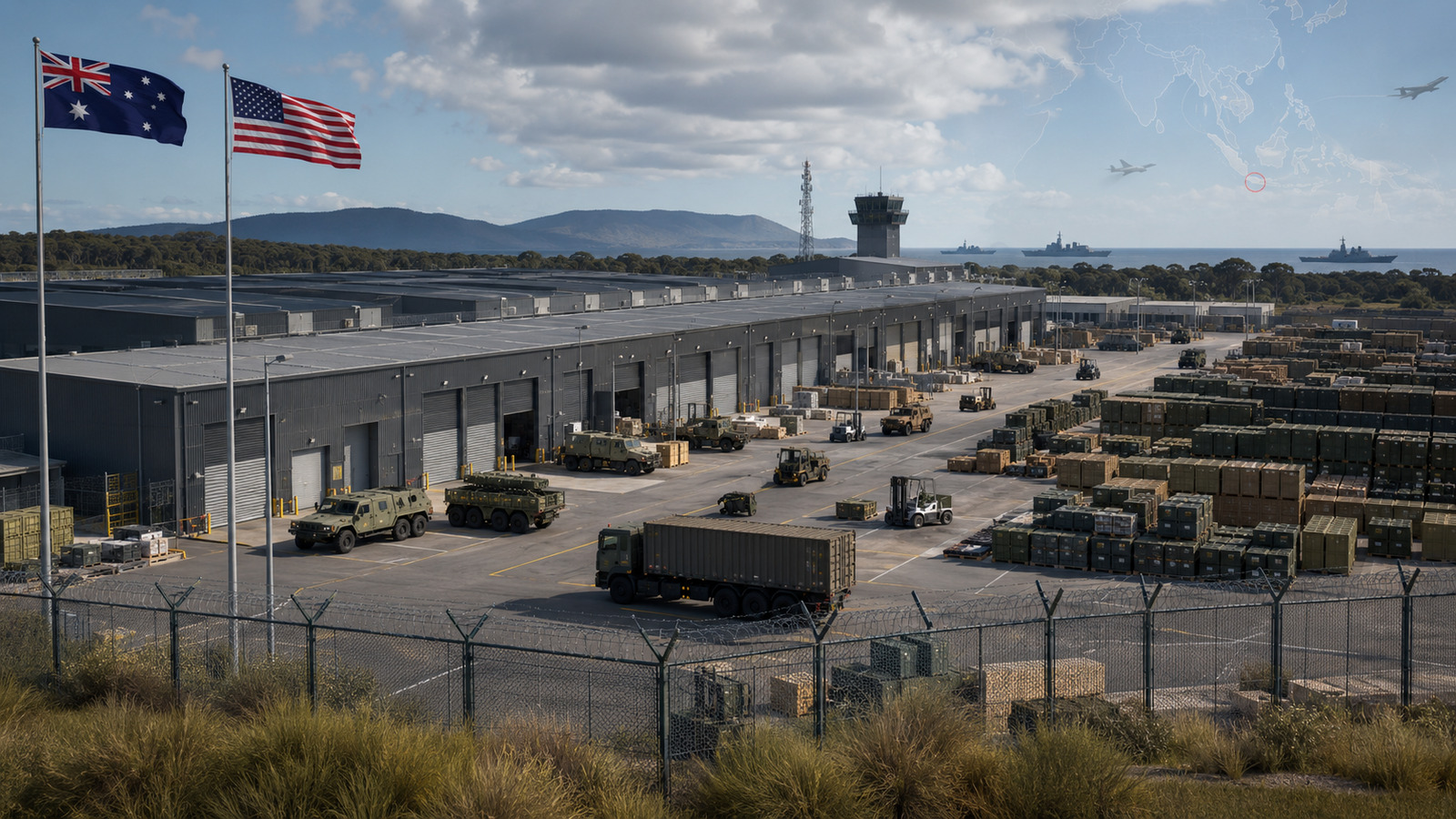
Planned structure for Victoria is part of the American strategy to pre-position equipment and supplies in the Indo-Pacific amid China’s military advance and the expansion of the Marines’ presence in Australia
The United States Army intends to create a permanent weapons depot on the southeast coast of Australia, with $30 million allocated for the construction of warehouses and offices in Victoria. According to bidding documents consulted by AFP, the structure is expected to reach full capacity in 2028 and expand the American military pre-positioning in the Indo-Pacific.
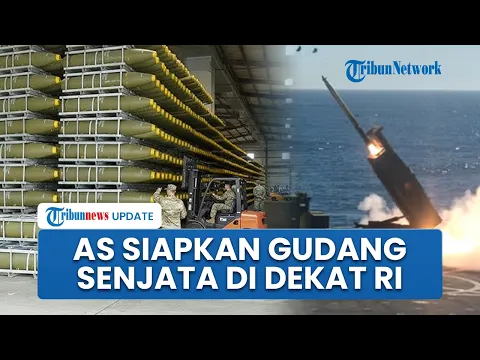

Weapons depot in Australia will have a structure in Victoria
The planning revealed in documents published this month by the United States Navy foresees a depot for “critical early supply” in the southeast of the state of Victoria. The facility will initially be in Melbourne.
Next year, the depot is expected to be transferred to new American facilities within an Australian military base in Bandiana, in rural Victoria. The forecast is that the structure will reach its full capacity in 2028.
-
Trump’s wall advances at a rapid pace: government promises to complete a barrier of over 3,000 km by 2027 while drones and cartels turn the US border into a new field of technological dispute

-
China prepares mBridge, a new digital payment system with blockchain that promises transactions in seconds, lower fees, and the advancement of the digital renminbi while aiming to reduce dependence on the dollar in global trade.
-
Chinese aircraft carrier Liaoning conducts about 170 takeoffs and landings in the Western Pacific, but Japanese surveillance turns the training into a regional alert: Beijing denies specific targeting while Tokyo monitors the fleet that passed 590 km from Miyakojima, reigniting tension in Asia.

-
China did not like the decision by the U.S. to place BYD, Alibaba, and Baidu on a list linked to the Chinese military sector.



The project is treated as part of a broader United States strategy to use Australia’s geographical position in the South Pacific.
According to analysts cited in the consulted material, the location helps Washington keep supplies out of reach of most Chinese missiles.
Weapons depot: American strategy already involves the Philippines and Norway
The United States Marines began pre-positioning military supplies in other countries during the Cold War, with structures in places like Norway.
In the Asia-Pacific region, the first land depot is expected to be inaugurated this year in the Philippines, near potential tension hotspots in the South China Sea. The Australian unit would be larger, according to the bidding documents.
The Pentagon also requested $500 million, about R$ 2.5 billion, from Congress for the next year.
The goal is to enhance the pre-positioning of equipment and fuel throughout the Asia-Pacific region to counterbalance China.
Australia does not authorize foreign bases, but expands rotational presence
Australia does not allow permanent foreign military bases on its territory. Even so, it maintains a security alliance with the United States and hosts an increasingly diverse presence of rotating American forces at Australian bases.
Almost 2,000 American marines conduct exercises for six months each year in Darwin, in the north of the country.
Australia is also part of the Five Eyes alliance, alongside the United States, Canada, the United Kingdom, and New Zealand.
Logistical support reinforces operations in the Indo-Pacific
A spokesperson for the Pacific Marine Corps Forces told AFP that the activities of the marines in Australia keep equipment and supplies ready for operations and exercises throughout the Indo-Pacific.
The Australian Department of Defense stated that it maintains a strategy for base infrastructure in the south, aimed at force generation, maintenance, health networks, and logistical hubs. According to the agency, this allows projecting power from northern Australia.
According to Sam Roggeveen, director of International Security at the Lowy Institute, the increase in American forces and equipment represents “an important change in Australian policy,” linking the country more closely to the United States’ strategic objectives in the region.
This article was prepared based on information from AFP, U.S. Navy bidding documents, statements from the Pacific Marine Corps, the Australian Department of Defense, and Sam Roggeveen from the Lowy Institute, with data, numbers, and statements preserved as per the consulted material.


Be the first to react!