Portuguese
  Spanish


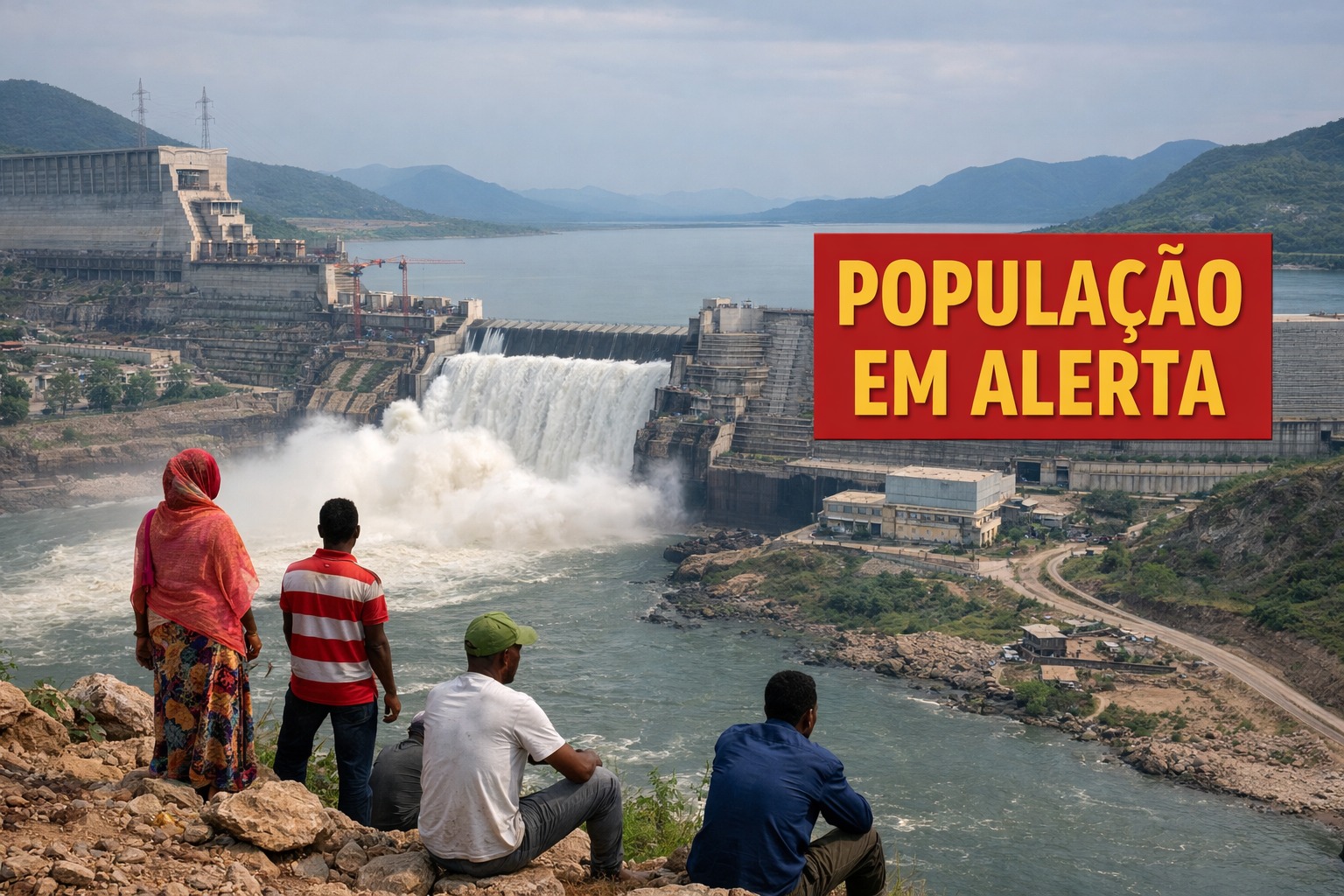


The African Megastructure Symbolizes Energy Ambition and National Sovereignty, But Sparks Debates About Structural Risks, Persistent Blackouts, Threatened Biodiversity, and Calls for Greater Cooperation, Planning, Trust, and Transparency Among Countries
In January of this year, former U.S. President Donald Trump offered to mediate the disputes between Egypt and Ethiopia over the waters of the Nile River. The gesture reignited the spotlight on a stalemate that has dragged on for over a decade and took on new contours following the official inauguration of the dam on September 9, 2025.
Since then, the issue has left the diplomatic offices and begun to mobilize experts, authorities, and populations directly affected, amidst expectations and apprehensions.
Grand Dimensions, Equivalent Concerns
At 1,780 meters long and with a capacity of 5,150 megawatts, the largest hydropower dam in Africa in terms of capacity has established itself as an engineering feat and a significant political symbol.
-
Woman with no tech background uses AI to develop app, reaches 50,000 users and goes viral with 2 million views by turning conversations into an emotional support tool.

-
From Construction Helper at 12 to Leading Real Estate Ventures Worth $210 Million After Delivering Over 2,000 Homes
-
‘Solar Cat’ Technology Arrives in Brazil, Raising Concerns Among Energy Distributors Over Suspected Cost-Cutting Method
-
Brazil offers $6.30 per kg bounty to control invasive pufferfish threatening local ecosystems with its lethal toxin and damage to fishing nets, with over 103 tons already captured.


The project, estimated at $5 billion, was primarily financed by Ethiopians and the government, along with Chinese loans and investments.
While it impresses with the figures and proportions, the project raises questions about structural safety, water management, and impacts along the Blue Nile.
The Fear of a Catastrophic Failure
A joint study conducted by researchers from universities in Egypt, Slovakia, and Poland modeled flood scenarios in the event of massive structural collapse.
The projections indicate severe consequences: Khartoum could turn into lakes in about 10 days, with depths exceeding 11 meters in residential areas.
The flood waves would also overflow Sudanese dams, with estimated rises of 11, 7, and 20 meters in Roseires, Sennar, and Merowe, respectively.
In Egypt, the level of Lake Nasser would reach 188 meters above sea level, placing the Aswan High Dam in great danger.
The authors also highlighted that the dam is located in the heart of the Rift Valley, an area prone to earthquakes.
Among the recommendations is the development of an emergency plan and disaster mitigation strategies.
Although the scenario is hypothetical, it reinforced debates about safety protocols, technical transparency, and regional cooperation.
Communities Between Hope and Anxiety
In the areas near the project, the sentiment is ambivalent. Large reservoirs often alter local dynamics, affecting everything from land use to the availability of natural resources.
Experts warn that changes in water systems can impact biodiversity and livelihoods, especially when environmental and social assessments are not widely disclosed.
During the investigation, Mongabay reported not finding any official environmental and social impact assessment of the GERD project online.
The absence of the document and the lack of response from the Ethiopian Ministry of Water and Energy amplified criticisms about transparency.
A 2015 study by the International Sustainability Institute in Egypt described potential impacts related to the creation of reservoirs, including decreased biodiversity and effects on threatened species.
Promised Energy, Intermittent Reality
Reports from Addis Ababa indicate that power cuts persist. In a single week, residents reported experiencing two or three blackouts, with an average duration of two to three hours.
The situation raises doubts about the pace of integrating the electricity generated into the domestic grid, especially in a country where 56% of the population still lacks access to basic electricity, according to the World Bank.
More than 92% of households depend on biomass for cooking, a scenario associated with health risks and forest conservation issues.
Critics question whether the priority given to energy exports might delay internal benefits. The Ethiopian government maintains that the foreign sales revenues will fund the expansion of transmission lines and increase access.
Celebrated as a symbol of sovereignty and continental ambition, the dam also faces skepticism.
Analysts point out that megaprojects can carry gaps in environmental assessment, institutional risks, and governance challenges.
For downstream countries, the central concern remains water security. For millions of Ethiopians, the hope persists that the grand project will translate into energy stability and local development, without neighboring communities bearing an overly high cost.
With information from Mongabay.