Portuguese
  Spanish


Clean Energy Is The Future. Scotland Has Completed Its Largest Offshore Wind Farm. The Constant Sea Winds Promise To Generate A Lot Of Energy
With targets to be achieved for carbon emission reductions, companies and governments around the world are investing in clean energy as a way that causes less harm to the environment. As a result, offshore wind farms are a hopeful solution for cheaper and more consistent wind energy generation.
World’s Largest Floating Offshore Wind Farm
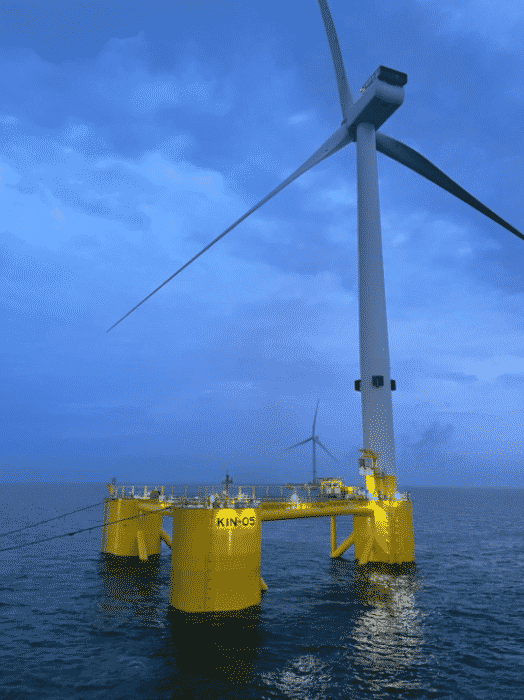
The world’s largest floating offshore wind farm has just been completed in Scotland. Located in the northeast of Scotland, the Kincardine Offshore Windfarm has an impressive generating capacity of 218 GW annually, capable of powering a total of 55,000 homes.
The American Bureau of Shipping (ABS) has classified Kincardine as the world’s largest floating offshore wind farm. The wind farm is located in areas where the depth varies between 60 and 80 meters. The Kincardine Offshore Park has a total of five Vestas turbines of 9.5 MW and a smaller turbine with 2 MW.
-
Brazilian scientists are simultaneously advancing two research projects on clean hydrogen and driving solutions that could transform the energy matrix, enhance industrial competitiveness, and accelerate large-scale emission reduction targets.

-
Advancement in renewable energy: A R$ 150 million project launched by Petrobras and Finep aims to create state-of-the-art electrolyzers for green hydrogen, strengthening national research and preparing Brazil to compete in a billion-dollar energy market.
-
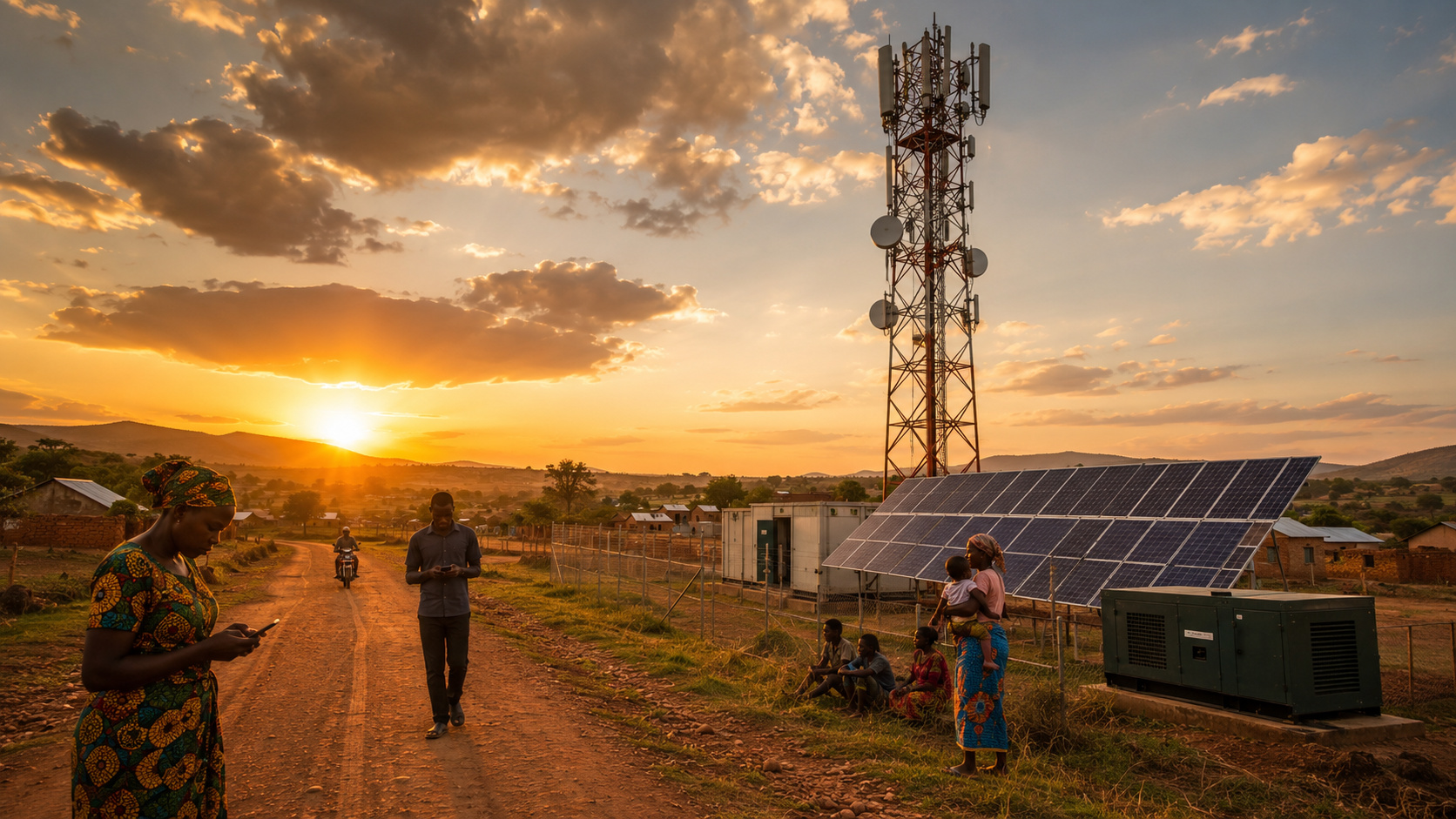
Illiterate or semi-literate grandmothers were trained to repair solar systems, open rural workshops, and light up homes that still depended on kerosene.
-
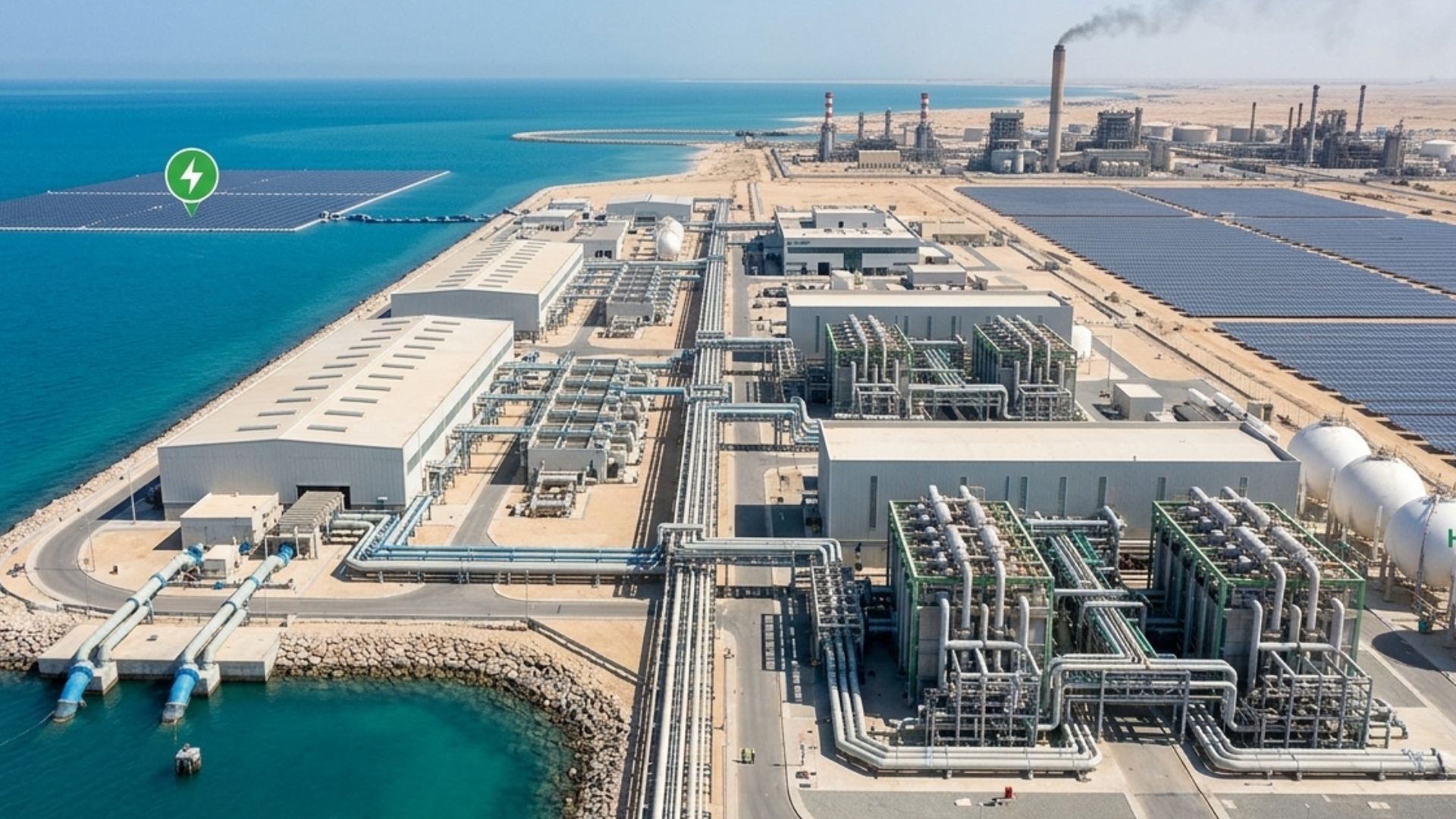
The world has bet on green hydrogen as the fuel of the future, but now faces the side effect: producing 1 kilogram requires about 9 liters of ultrapure water, and the largest projects on the planet are precisely in the driest regions of the Earth, where water is already scarce for people.




How Offshore Wind Farms Work
Offshore wind farms have several benefits compared to other energy sources. Initially, they borrowed technologies from oil and gas platforms. However, technology has advanced, and today offshore wind farms can use their own technologies, reducing deployment costs.
The main advantage is that by placing these platforms further offshore, the turbines can be powered by stronger and more consistent winds compared to those fixed on land.
Several companies are developing technologies in the offshore energy sector. One of the most promising is GE’s project, which plans to develop offshore wind energy generation. The company has a 12 MW turbine for onshore wind farms, but work is already underway to adapt it for floating in the sea.