






 Portuguese
  Spanish


China transforms mountains into a 3.6 GW battery with pumped water to store renewable energy in Fengning.
By the end of 2024, China put into full operation one of the largest energy storage structures ever built on the planet: the Fengning Pumped Storage Power Station, in Hebei province, a 3.6 GW reversible hydroelectric plant operated by the State Grid Corporation of China. According to the International Hydropower Association, on August 16, 2024, Fengning became the world’s largest pumped storage plant in installed capacity, with 12 reversible 300 MW turbines distributed in two phases.
The project functions as a gigantic battery built into the mountains, but without relying on lithium or chemicals. When there is surplus electricity in the grid, especially during periods of strong solar and wind generation, the plant pumps water to an elevated reservoir; when demand increases, this water flows down again and activates turbines to return energy to the system.
pv magazine reported on January 9, 2025, that the plant entered full operation after the commissioning of the final unit on December 31, 2024, with connection to the North China grid via four 500 kV transmission lines.
-
Brazilian scientists are simultaneously advancing two research projects on clean hydrogen and driving solutions that could transform the energy matrix, enhance industrial competitiveness, and accelerate large-scale emission reduction targets.

-
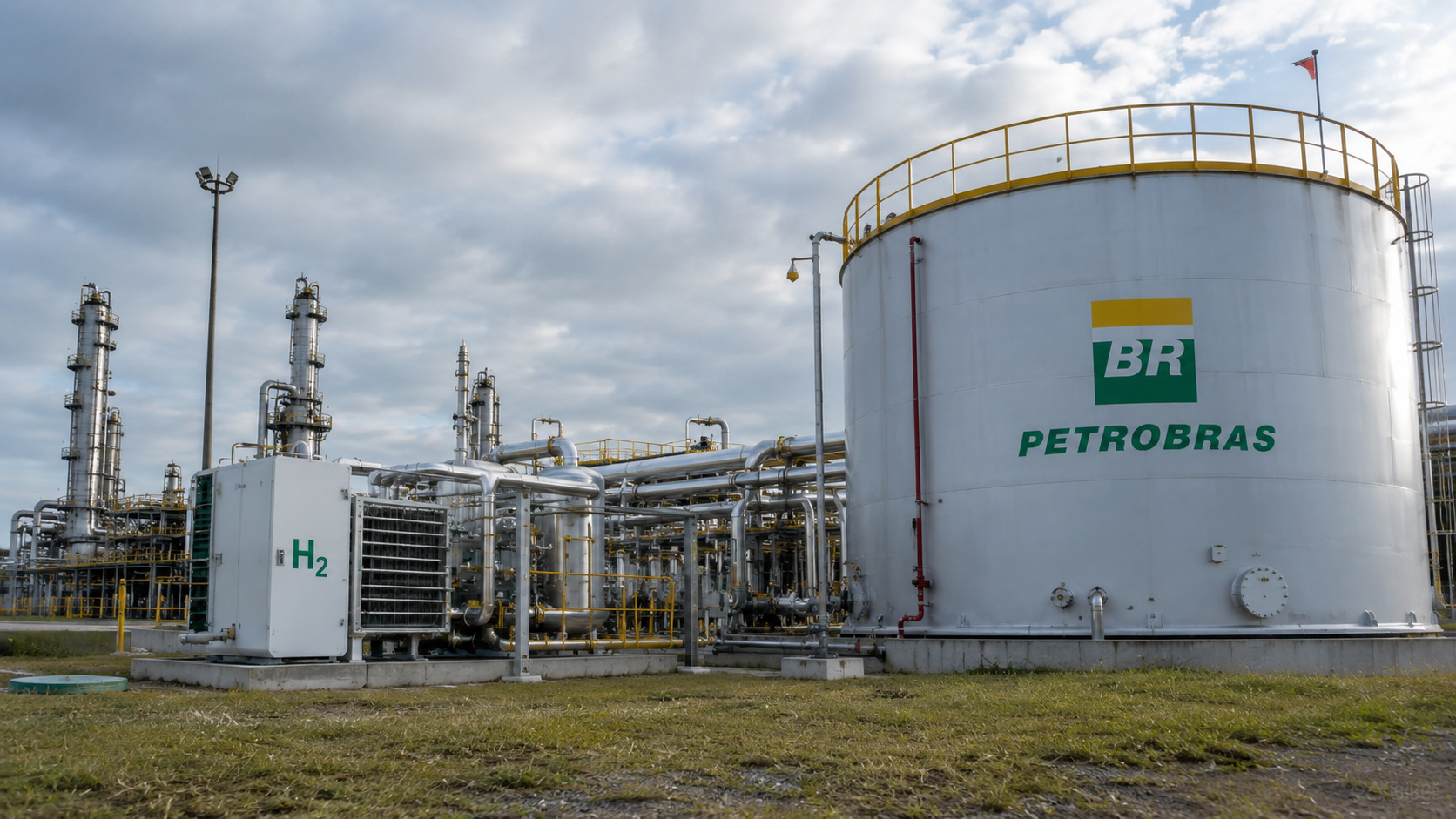
Advancement in renewable energy: A R$ 150 million project launched by Petrobras and Finep aims to create state-of-the-art electrolyzers for green hydrogen, strengthening national research and preparing Brazil to compete in a billion-dollar energy market.
-
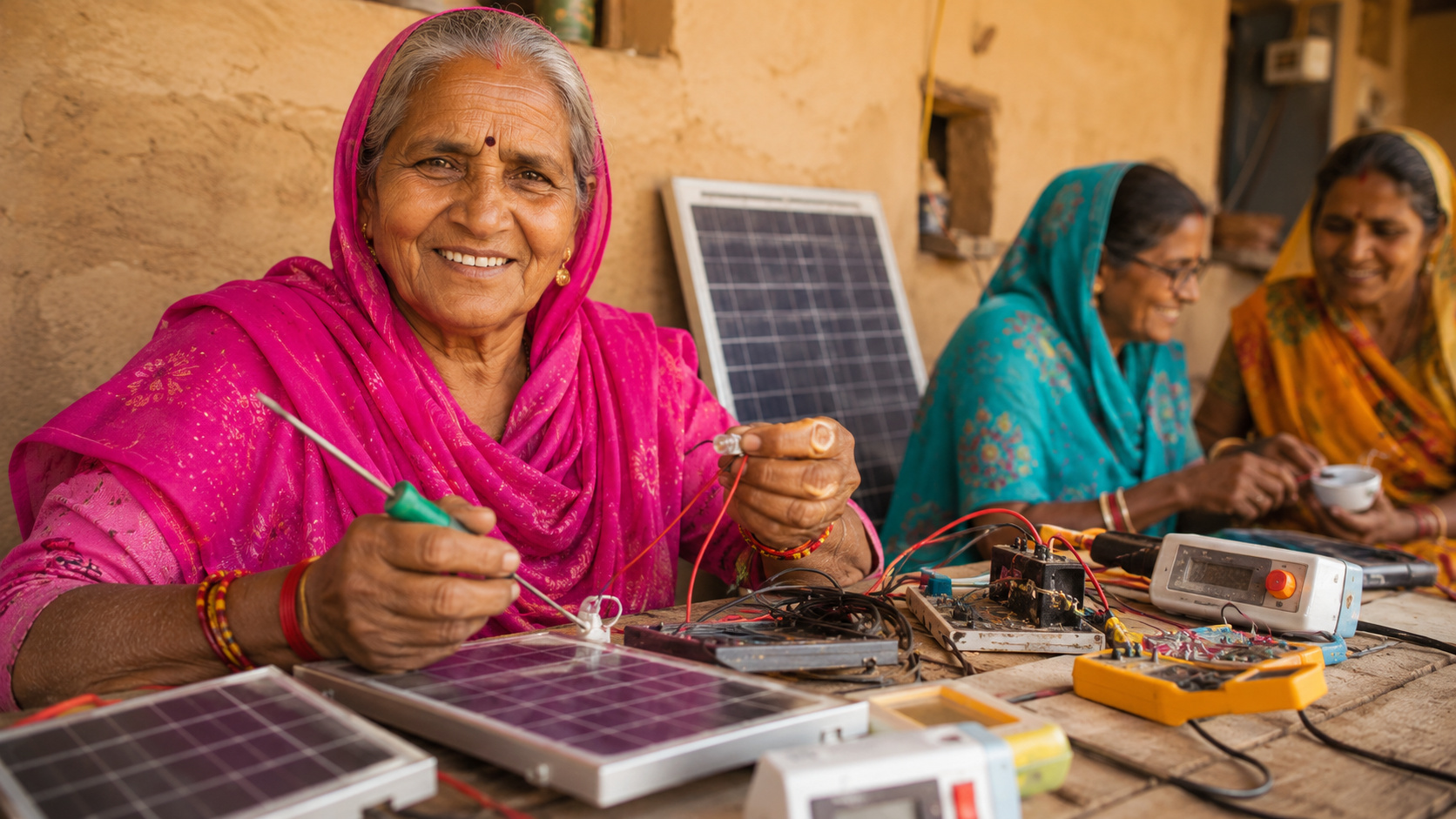
Illiterate or semi-literate grandmothers were trained to repair solar systems, open rural workshops, and light up homes that still depended on kerosene.
-
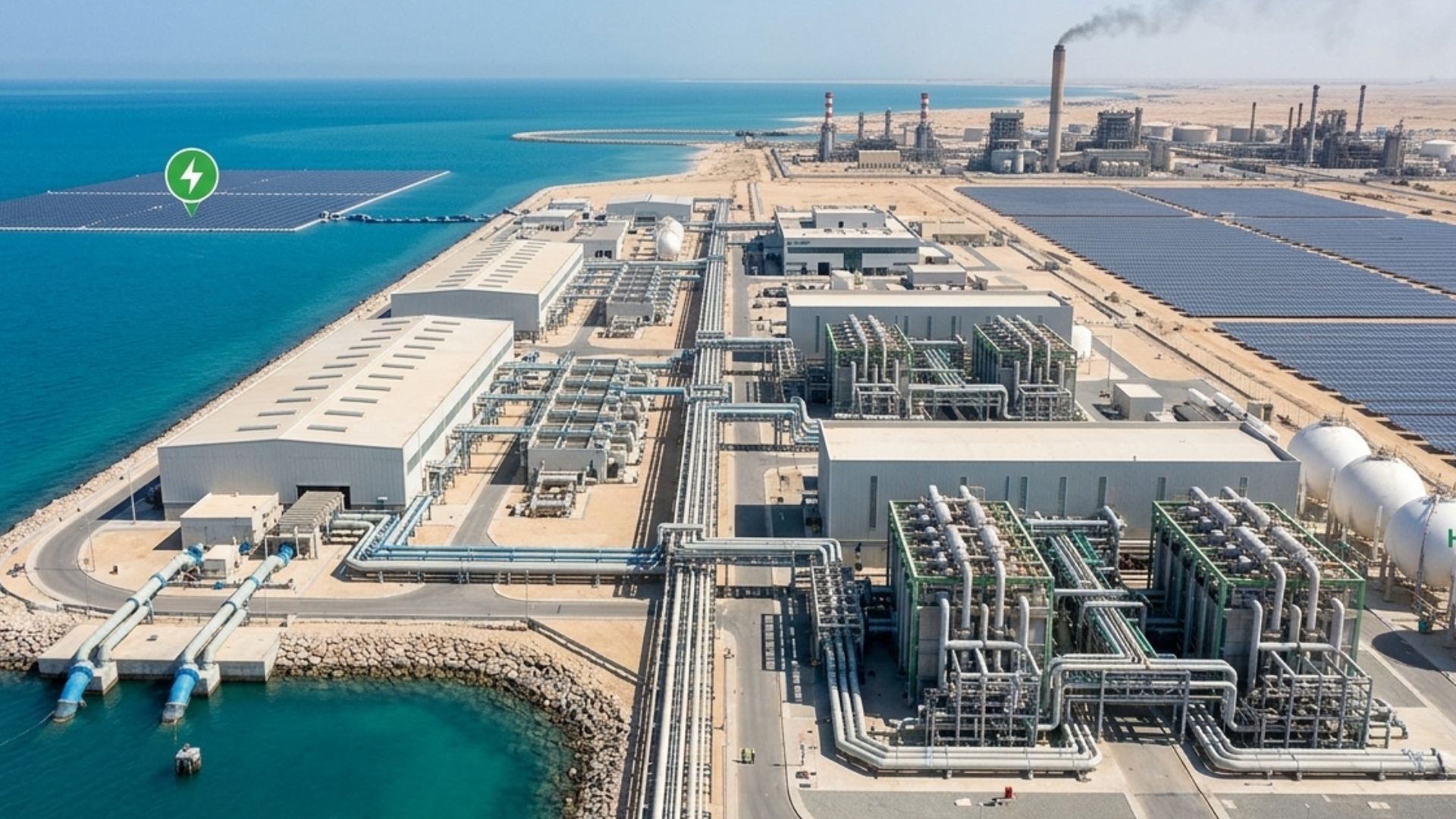
The world has bet on green hydrogen as the fuel of the future, but now faces the side effect: producing 1 kilogram requires about 9 liters of ultrapure water, and the largest projects on the planet are precisely in the driest regions of the Earth, where water is already scarce for people.


Fengning became the planet’s largest hydraulic battery with 3.6 GW capacity
The scale of the project is impressive even by Chinese standards. According to the International Hydropower Association, Fengning has a total installed capacity of 3.6 GW distributed among 12 reversible 300 MW turbines each.
This places the structure above any other reversible hydroelectric system currently in operation on the planet. For comparison, this power is sufficient to supply millions of homes simultaneously depending on the consumption pattern adopted.
But the most important thing is not just generating energy. Fengning’s central role is to store electricity.
Water goes up the mountain when there’s surplus energy and comes down when the grid needs it
The plant’s operation seems simple, but it involves extremely sophisticated engineering. During periods of low demand or excess renewable generation, especially from solar and wind farms, available electricity activates gigantic pumps.

These pumps send enormous volumes of water to an upper reservoir located at a higher altitude. When the electrical system needs reinforcement, the water returns to the lower reservoir, passing through reversible turbines that generate electricity again.
In practice, the entire mountain functions as a giant gravitational battery, storing potential energy in the form of elevated water.
China is using reversible hydroelectric plants to solve the renewable energy problem
The accelerated growth of solar and wind energy has created a significant challenge for modern electrical systems. These sources generate energy variably. Solar panels produce more during the day, while wind farms depend on wind intensity.
This means there is often excess generation at certain times and a deficit at others. Energy storage has become central to resolving this imbalance.
In China’s case, the investment in giant reversible plants like Fengning gained national priority because the country has enormous volumes of renewable generation spread across different regions.
Project helps stabilize one of the planet’s largest electrical grids
China operates the world’s largest electrical system. Managing this grid requires mechanisms capable of responding quickly to fluctuations in demand and generation.
According to energy sector specialists, pumped-hydro storage power plants have a great advantage because they can activate generation in a few minutes when necessary.

This helps stabilize frequency, compensate for drops in renewable production, and prevent blackouts. Fengning became strategic precisely because it functions as an instant energy reserve on a gigantic scale.
System uses 12 reversible 300 MW turbines each
One of the most impressive technical details of the project is the set of machines installed in the plant. Fengning uses 12 reversible 300 MW units.
These machines function both as generating turbines and as water pumps. In other words, the equipment can switch between “generation mode” and “storage mode”.
This type of engineering is considered one of the most efficient long-duration energy storage solutions currently available.
Project is part of China’s strategy to dominate clean energy
The construction of Fengning is linked to China’s strategy to increase the participation of renewable sources without compromising electrical stability.
In recent years, China has become a world leader in solar and wind energy installation. But this has also increased the need for large storage systems capable of absorbing generation surpluses.
Pumped-hydro storage plants then began to play a strategic role within national energy planning. In addition to Fengning, the country has several other similar projects under construction or expansion.
Structure uses gravity as a form of energy storage
Although many headlines compare Fengning to a “giant battery,” the system works very differently from traditional chemical batteries. Energy is physically stored by gravity.
When water rises to the upper reservoir, it accumulates gravitational potential energy. When it descends again, this energy is converted into electricity by the turbines.

The principle is relatively old, but the modern scale has transformed these structures into one of the most important forms of energy storage on the planet.
Pumped-hydro storage power plants already represent the majority of global storage
According to international energy organizations, pumped-hydro storage systems still represent the majority of global large-scale energy storage capacity.
This happens because lithium batteries, despite growing rapidly, continue to face limitations in cost, duration, and scale for gigantic grid applications.
Plants like Fengning, on the other hand, can store energy for long periods using natural reservoirs and hydraulic infrastructure. The case of Fengning shows an important shift in modern energy engineering.
Instead of relying solely on fossil fuels or chemical batteries, countries are beginning to transform mountains, reservoirs, and terrain into active components of the electrical system.
In the Chinese case, the landscape itself has become part of the national energy infrastructure. The mountain is not just the site of the plant: it is the battery.
Megaproject helps reduce solar and wind energy waste
A recurring problem with renewable generation is called “curtailment,” a situation where part of the energy produced has to be wasted because the grid cannot absorb all the generation at that moment.

Storage systems like Fengning help reduce this waste. Instead of shutting down wind turbines or wasting solar production, excess electricity can be used to pump water uphill.
Then, this energy returns to the system when demand increases.
Fengning shows how the future of energy may depend less on fuels and more on colossal infrastructure
For decades, global energy expansion has been primarily linked to the exploration of oil, coal, and natural gas.
Now, projects like Fengning indicate another direction: building gigantic infrastructure capable of storing clean electricity on a large scale. In China’s case, this means transforming reservoirs, tunnels, turbines, and entire mountains into active components of the energy transition.
The main question now is how many countries will be able to build structures of this size to cope with the advance of renewables before storage limitations become one of the biggest bottlenecks in global electricity.




-

-

-

-

-

-

25 people reacted to this.