Portuguese
  Spanish


In quilombola and riverside communities of the Marajó archipelago, in Pará, 900 families are having their first contact with grid light via solar energy. As there are no roads, the panels arrive by boat — in an operation that shows the scale of the Amazon’s energy problem.
According to Energisa, the distributor responsible for the region, solar light in Marajó is being brought via the Mais Luz para a Amazônia Program.
As registered by the company, 900 families are served in communities without electricity grid to this day.
According to Portal Solar, the federal program has been extended until 2030 — a sign that the problem has no short-term solution.
-
Fired during apartheid and with a little borrowed money, an electrician started with a borrowed truck and transformed electrical services into a group connected to energy, real estate, and infrastructure in South Africa.

-
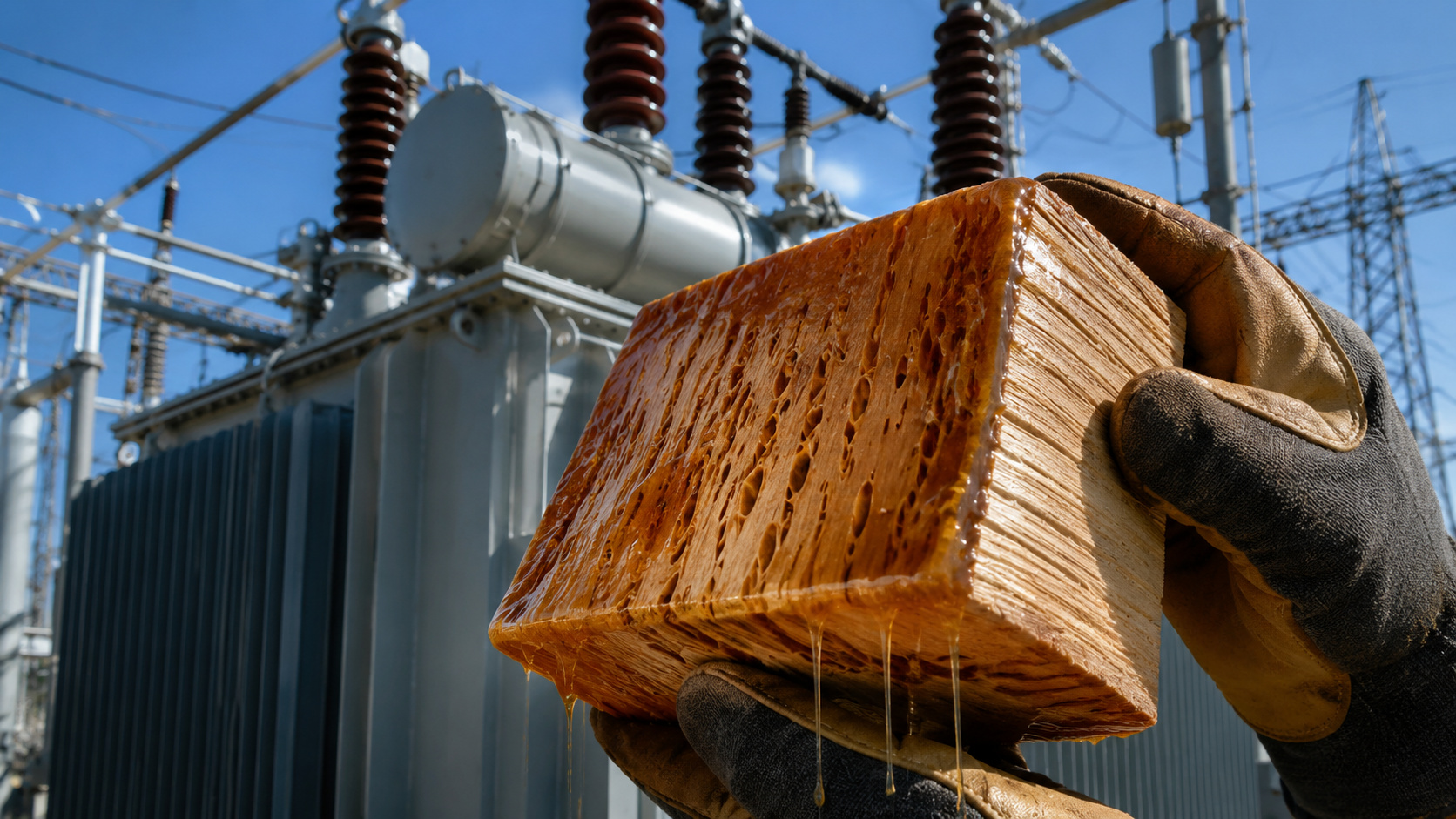
Wood has ceased to be just a construction material in Yale research and has become insulation for electrical transformers that face intense heat, aging, and increasing pressure from the renewable energy-powered grid.
-
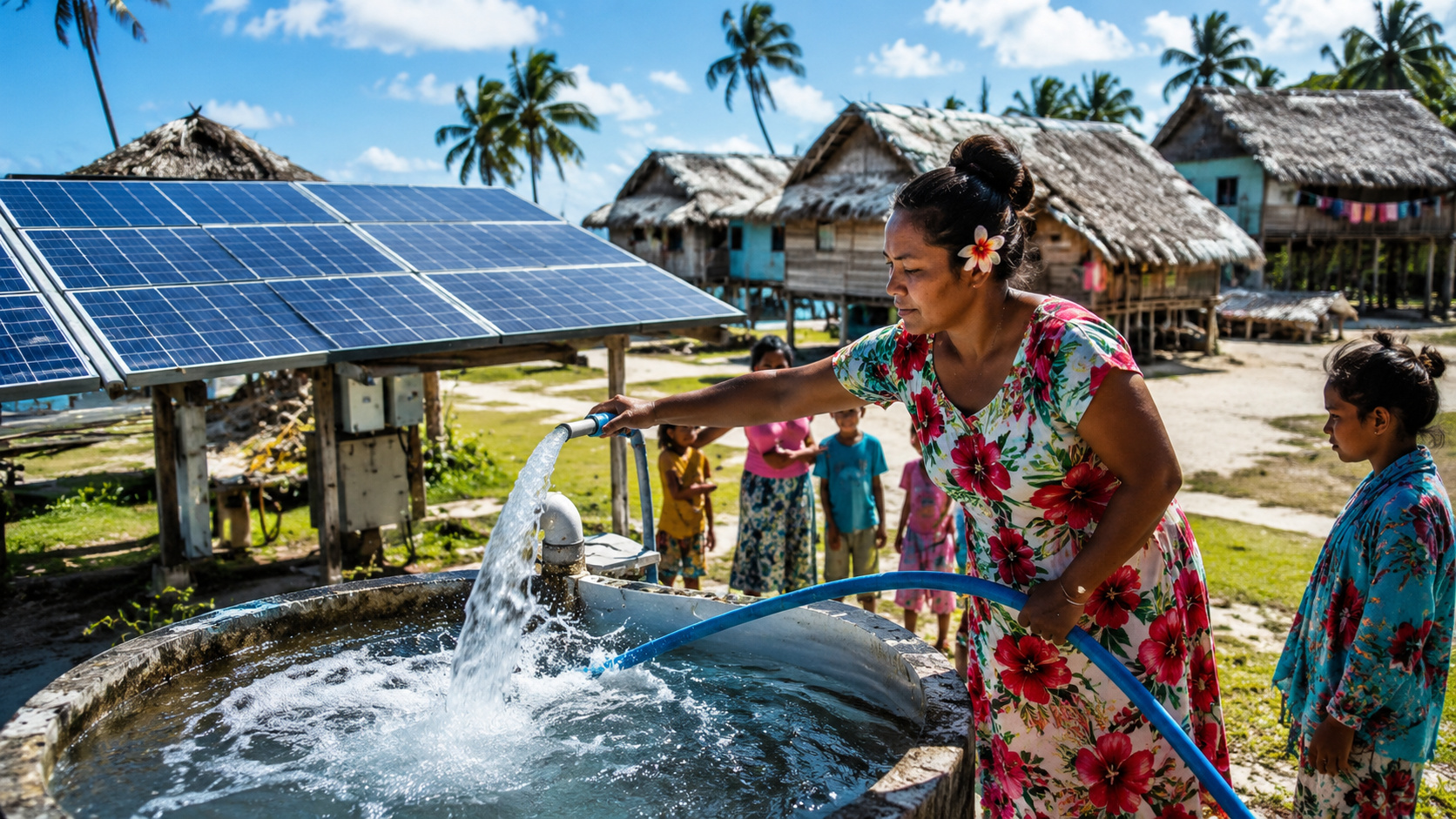
More than 1,000 residents of a remote island in Kiribati now have clean water and electricity with solar systems operated by the community itself.
-
Ceará brings together 7 giants and R$ 66 billion to transform Pecém into the largest green hydrogen hub in Brazil, with final decisions expected by the end of 2026.


Therefore, the operation combines river logistics and technical installation in places where the river is the path.
For comparison, it is the same archipelago that appears in other coverages of the portal — such as the recent one about Angra 3 stopped for 39 years with R$ 1 billion leaving per year.
Likewise, the paradox is clear: Brazil is the eighth largest energy producer in the world and still has entire communities without any point of light.

How Mais Luz Reaches Marajó Communities Without Roads
The Marajó archipelago, in Pará, is the largest fluvio-maritime archipelago in the world.
Consequently, quilombola and riverside communities live on islands connected only by channels and forest.
According to Litro de Luz Brasil, teams carry panels by boat along the river to each backyard.
Then, technicians install the system in the house, train the resident, and move on to the next community.
According to Energisa, each kit includes a photovoltaic module, battery, charge controller, and basic outlets.
Therefore, refrigerators, lamps, cell phones, and fans no longer depend on diesel or kerosene generators.
Likewise, local schools and health posts are included in the program’s scope.
The Mais Luz para a Amazônia Program: What it is and Who Pays
The program was created by the federal government to extend the electricity grid to isolated localities in Legal Amazonia.
According to Portal Solar, it has been extended until 2030, after having already passed its original validity of 2026.
As a result, distributors like Energisa, along with the Ministry of Mines and Energy, carry out the delivery at the consumer end.
In addition, organizations such as the Sustainable Amazon Foundation (FAS) and the international partnership GEAPP work on pilot projects.
In fact, during COP30, FAS reinforced the urgency of access to energy in the Amazon as a basic condition for any regional climate agenda.
Therefore, the program’s technical design is simple — autonomous solar equipment per residence — but the logistics are complex.

Quilombolas and Riverside Dwellers: The Two Populations Still Waiting
Marajó has officially recognized quilombola communities since the 2000s.
On the other hand, riverside dwellers make up the most numerous group, living from fishing, cassava, and açaí.
According to field records from Litro de Luz, many of these families have lived their entire lives without grid access.
According to the Chamber of Deputies, recent debates in the Mines and Energy Commission confirmed the 2030 target for completion.
Subsequently, the partnership with Copa Energia and organizations like FAS strengthens the financing package.
Likewise, circular innovation reached the communities in April 2026, with programs for reusing old solar equipment.
The Paradox: 8th Largest Producer in the World, with Communities Without Light
Brazil has an 83% renewable energy matrix, according to official sector data.
On the other hand, part of the territory is literally off the electricity grid.
As the portal recently showed, there are Northeast communities demanding regulation of wind farms — a similar problem in another part of the country.
According to FAS data presented at COP30, millions of Brazilians still depend on diesel or kerosene generators.
Consequently, fuel costs, expensive logistics, and indoor pollution are part of the daily lives of these families.
In this sense, solar light in Marajó ceases to be just technology.
It becomes public policy with direct human impact — something felt in the refrigerator that turns on and the lamp that lights up when night falls.

What Changes in Daily Life When Mais Luz Arrives in Marajó
Before the system, night forced families to use lanterns, candles, or expensive generators.
Subsequently, children started studying later.
According to testimonials collected by Litro de Luz, the impact is immediate on three fronts:
- Food preservation through simple electric refrigeration
- Cell phone charging without needing to travel to the municipal seat
- Night study and local economic activity with basic lighting
- Access to health posts operating at night for emergencies
Likewise, diesel and kerosene consumption drops to almost zero.
Therefore, the operation reduces both household costs and indoor smoke, with direct effects on respiratory health.
FAS, COP30, and International Pressure on the Amazon
The Sustainable Amazon Foundation is one of the most active organizations in advocating for the topic.
As FAS registered, during COP30 the entity reinforced the urgency of access to energy as a climate condition.
Consequently, the program became an international cooperation agenda item, attracting resources from the GEAPP initiative.
Likewise, the participation of Litro de Luz Brasil shows the presence of civil society organizations in the technical execution.
According to Energisa, the operation in Marajó is one of the most visible pilots of the entire initiative.

What is Still Unresolved in Marajó’s Solar Light Initiative
On the other hand, some data deserves caution.
The number of 900 families is the scope of Energisa’s most recent cut, but the total demand in Marajó is greater.
Furthermore, post-installation maintenance is an open challenge — batteries need replacement on average.
According to sector records, there is a lack of clarity on who funds the replacement in communities without a commercial grid.
Still, after decades in which these riverside dwellers and quilombolas saw the electricity grid come close without reaching them, the current moment represents a concrete — albeit partial — turning point.