





 Portuguese
  English
  Spanish
  3 min of reading
  41 comments


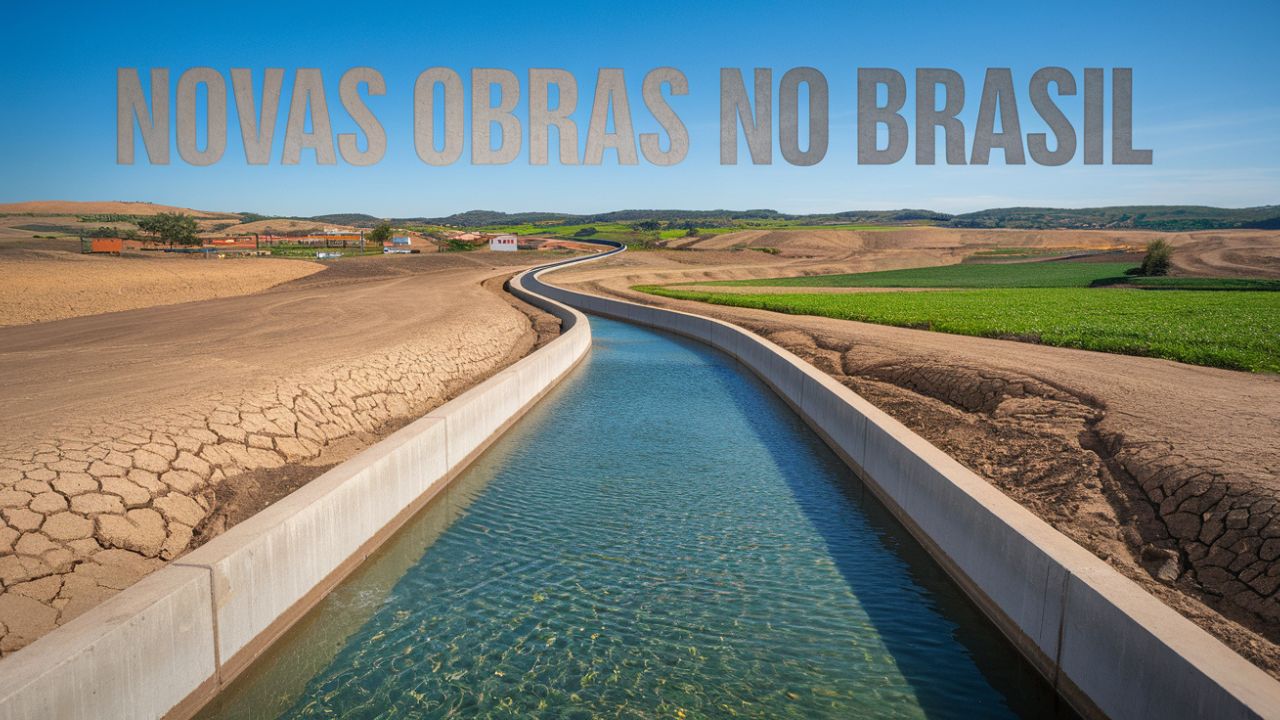


With 477 km of channels already constructed and over 12 major projects underway, the new works of the Transposition of the São Francisco River promise to benefit more than 10 million people across the Northeast region, revolutionizing access to water and boosting the local economy.
The Transposition of the São Francisco River is much more than an engineering project; it is a watershed moment in the history of the Northeast. From its conception in the 19th century to the new works that promise to expand its impact even further, this project has changed the lives of millions, bringing hope to the driest regions of Brazil.
With over 477 km of channels already built, divided into the North and East axes, the project continues to grow. And now, with new branches and planned improvements, it consolidates itself as one of the largest water initiatives in the world.
The Impact of the Transposition of the São Francisco River in the Northeast
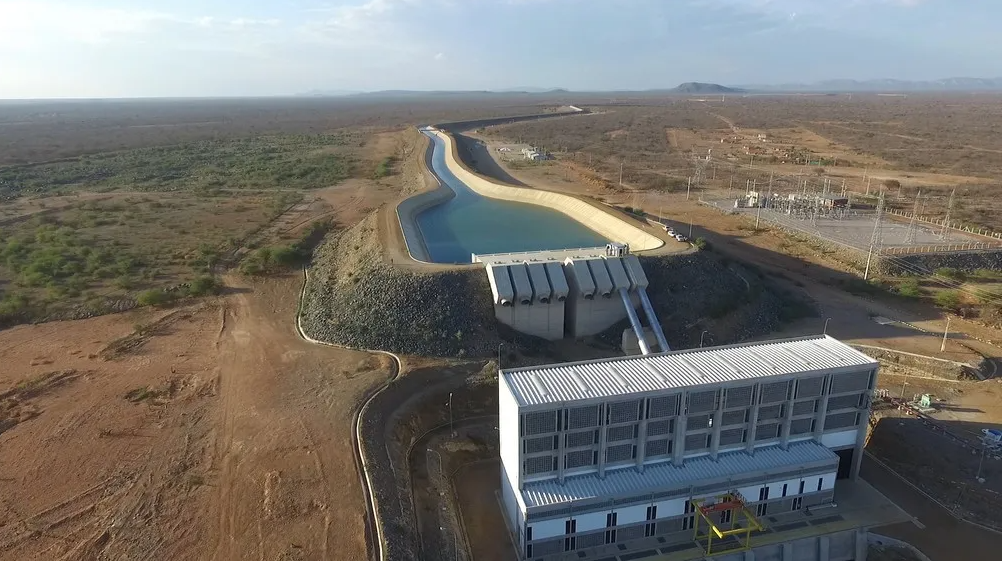
The history of the transposition began in the 19th century, with the vision of Dom Pedro II. Since then, the idea has faced technical and political challenges until finally coming to fruition in the 21st century. Today, the project is a reality that benefits millions of Northeasterners.
-
A couple built a house of over 100 m² by themselves on a 5,000 m² farm, spent more than a year without weekends, and now shows the unfinished home that has become a symbol of faith, effort, and a new beginning in the countryside.

-
Steel prefabricated house arrives ready on a truck, can be installed on the same day, and promises to transform rural lands and accommodations into complete homes without months of traditional construction.
-
How much does an electrician charge to install a split air conditioner? Prices range from R$ 300 to R$ 650 and should take into account factors such as the distance between the indoor and outdoor units, the need for electrical adaptations, and working at heights, which are among the main factors that increase the cost of the service.
-
Hong Kong has luxury skyscrapers, but 220,000 people live in “box apartments” of up to 8 m²: new law tries to end tiny dwellings, bathroom next to the kitchen, and rooms smaller than a parking space without expelling the poorest from the city.



The channels of the São Francisco have transformed the daily lives of thousands of families, bringing drinking water to previously forgotten communities.
The benefits for agriculture are undeniable, boosting the local economy with aquaculture and irrigation projects.
New Works Underway and Planned Expansions
With a length of 130 km, the Agreste Branch already benefits more than 80,000 people in Paraíba. The work is essential for supplying both cities and agricultural projects, ensuring water security even during the most severe droughts.
The Salgado Branch, with its 36 km, promises to drastically reduce water losses in transportation and benefit about 5 million people. It connects Ceará directly to the system, expanding the reach of the transposition.
Futuristic Water Infrastructure Projects
Scheduled for 2025, the Sertão Baiano Canal will be a milestone in Bahia, with a direct impact on 44 municipalities.
Its gravity transportation system is an innovation that promises to reduce operational costs and benefit more than 1 million people.
With over 83% of the works completed, the Waterway Belt is already essential for water integration in Ceará. Once finished, it will connect 12 river basins, ensuring water for irrigation and human consumption in critical areas.
Challenges and Perspectives for Water Management
The efficient management of the transposition requires strategic partnerships. The PPPs (Public-Private Partnerships) planned for 2025 will bring technological innovations, such as real-time monitoring and waste reduction.
In addition to supplying communities, the project strengthens the local economy and reduces the vulnerability of populations to climate change. This robust infrastructure guarantees a more secure and sustainable future.
The Transposition of the São Francisco River is far from over. New works, such as the Xingó Canal and the Apodi Branch, show that Brazil continues to invest in solutions for long-term water issues. This project is not just a relief from drought; it is a structural transformation that changes lives.




Gostaria que fossem abordados exemplos de casos mais concretos dessas melhorias, inclusive com vídeos.
Essa é a maior mentira desse desgoverno da mentira. Plantando fake News uma atraz da outra.
Só o povo mais humilde do nordeste pra acreditar nisso.
As bombas de transposição do Rio São Francisco estão desligadas, parem de escrever mentiras.