Portuguese
  Spanish


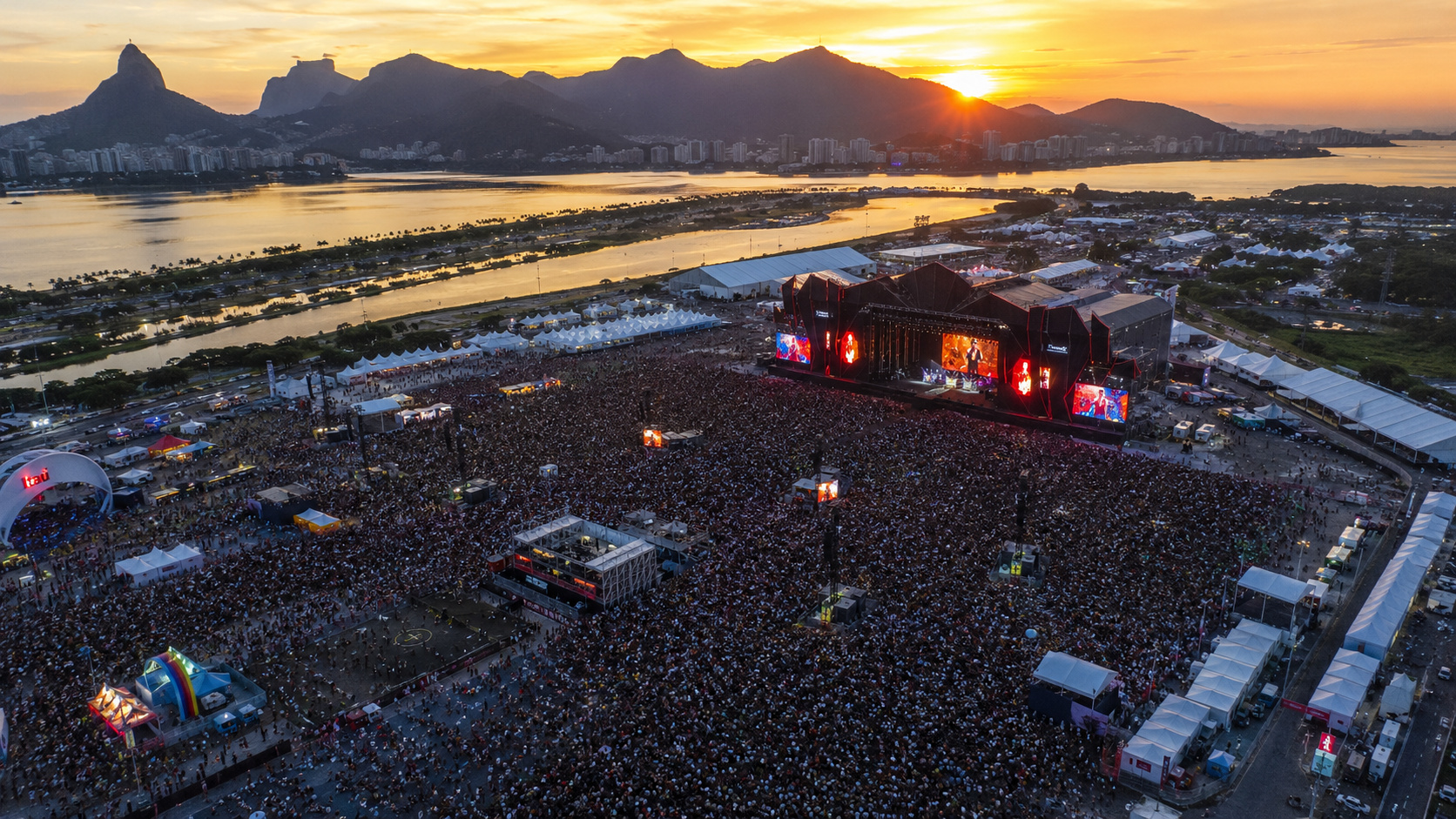

Festival boosts tourism, hospitality, commerce, and services in the capital of Rio de Janeiro, while increasing interest from visitors from other states and reinforcing its importance for the Brazilian creative economy.
Rock in Rio 2026 hasn’t even officially opened its gates yet, but it’s already moving billions and sparking expectations in various sectors of the economy. With ticket sales starting on Monday, June 8, 2026, the festival is expected to generate an economic impact of R$ 3.36 billion in the city of Rio de Janeiro, once again consolidating its position as one of the largest entertainment events in the world.
The information was released by the newspaper O Globo, based on a survey conducted by the Getulio Vargas Foundation (FGV). The study indicates that the event will continue to exert a strong influence on Rio’s economy, boosting activities related to tourism, hospitality, food, transportation, commerce, leisure, and services.
The estimated value for this edition surpasses the R$ 3.2 billion generated during Rock in Rio 2024. Thus, the projected growth reaches approximately 5%, reinforcing the festival’s ability to generate income, jobs, and opportunities for various economic segments.
-
CEOs of giants like Amazon, Microsoft, and Petrobras gather at the São Paulo Innovation Week to reveal trends that could redefine the future of business and innovation in Brazil.

-
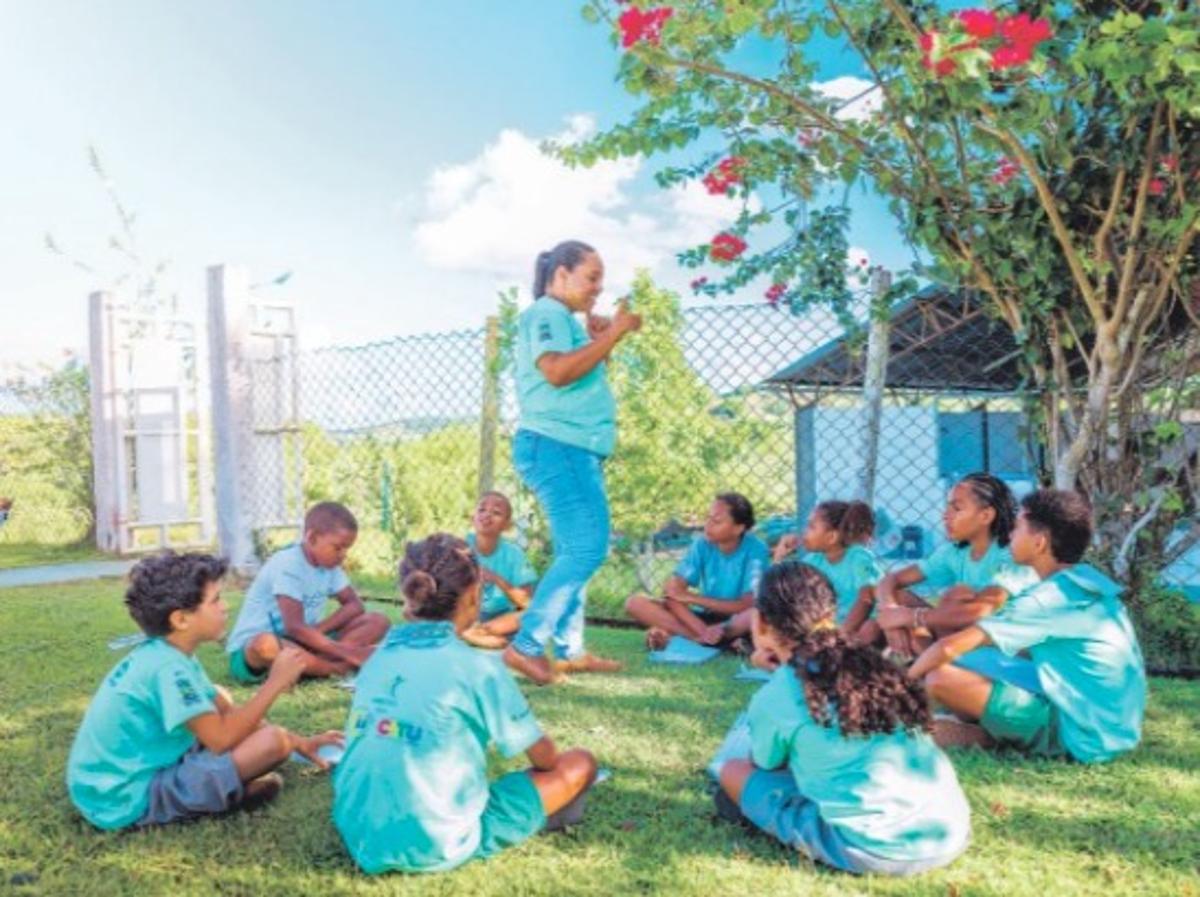
PetroReconcavo takes 100 children from the Ciranda Viva project to the Bahia Book Fair and reinforces its investment in education, culture, and social development in the metropolitan region of Salvador.

-
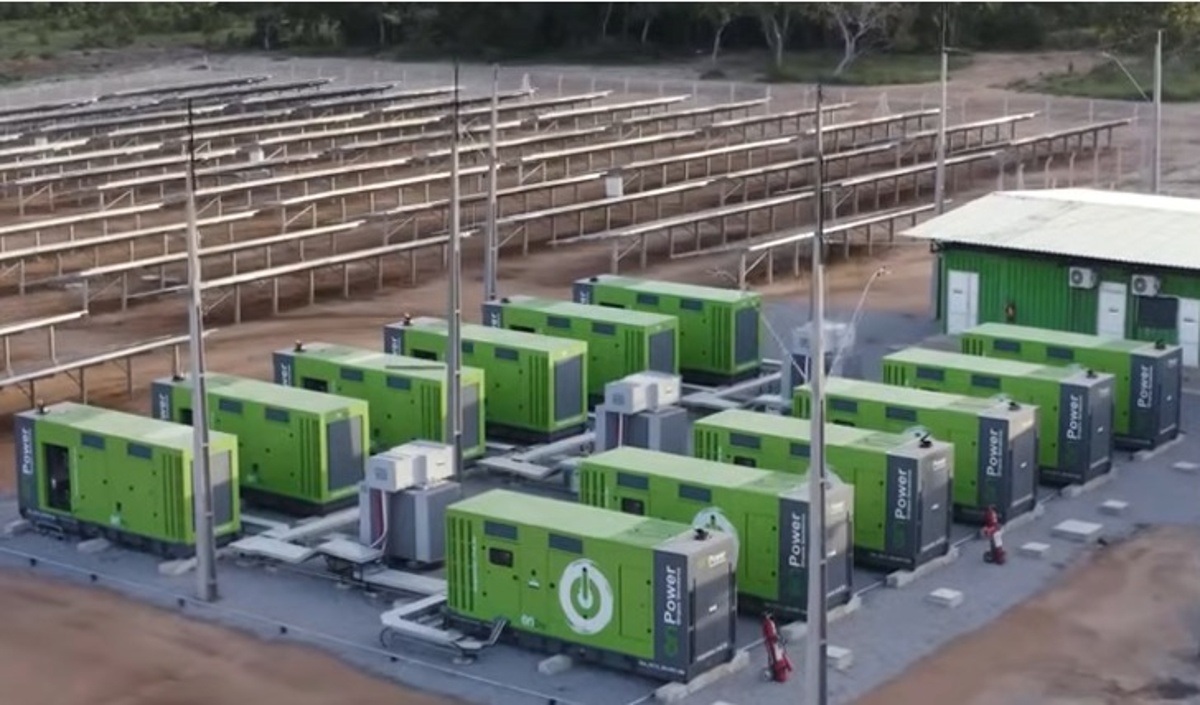
Thermal expansion and capacity auction boost suppliers of generators and turbines in Brazil with nearly 20 GW contracted.

-
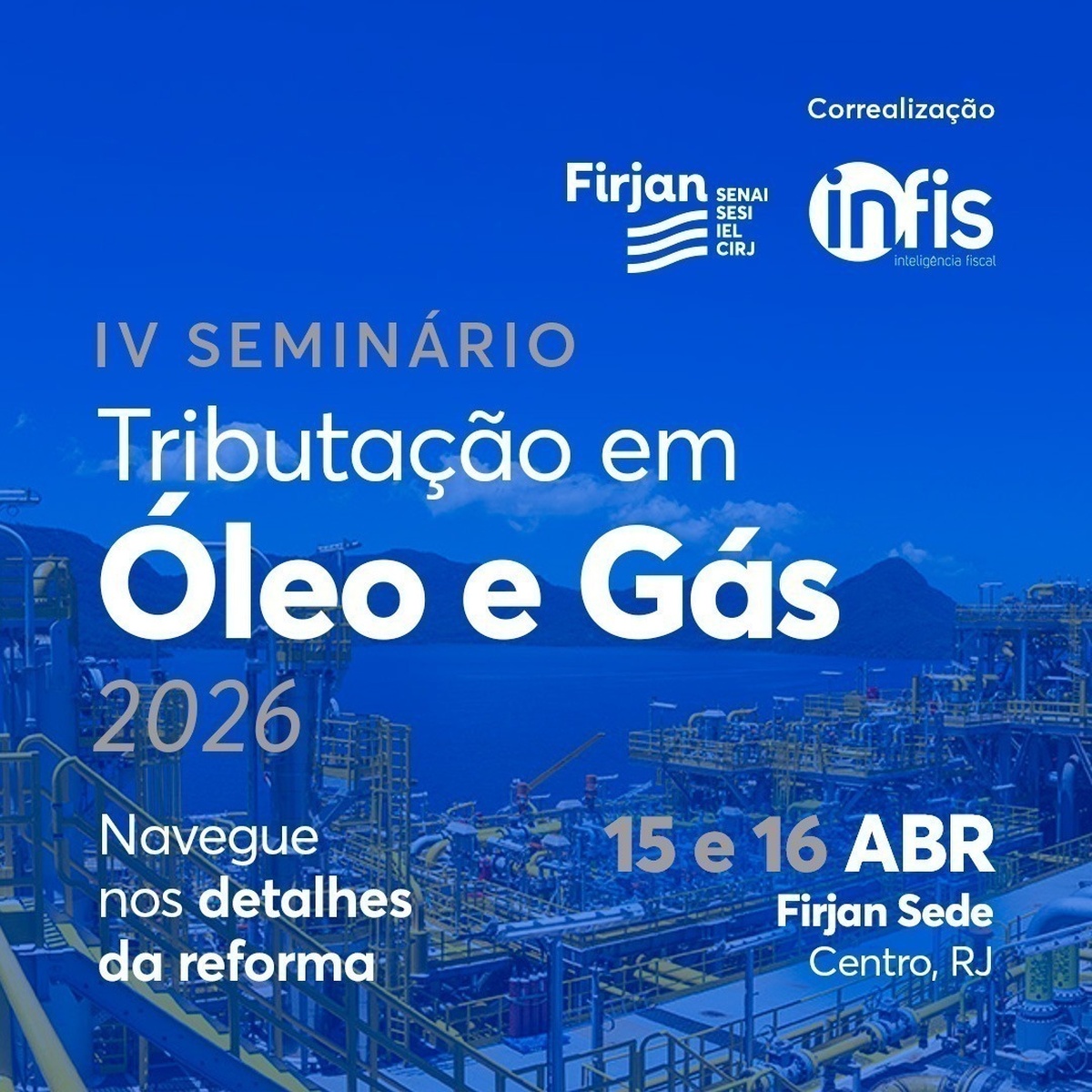
Tax reform advances in Brazil and places the oil and gas sector at the center of strategic discussions at the IV Seminar on Taxation in Oil and Gas 2026 in Rio de Janeiro, focusing on IBS, fiscal impacts, and business repositioning.


Furthermore, the organizers expect to receive around 700,000 people throughout the event. This significant volume of visitors is expected to further strengthen the production chain linked to tourism and entertainment in the city.
Audience from other states grows and strengthens tourism in Rio de Janeiro
One of the indicators that drew the most attention in this edition was the increase in demand for tickets among people living outside the state of Rio de Janeiro. According to the festival’s organization, the sale of the Rock in Rio Card recorded a 20% increase in the number of buyers from other states compared to the 2024 edition.
Additionally, visitors from outside the state currently represent 55% of all buyers of this ticket type. This data shows that Rock in Rio continues to attract tourists from different regions of the country and strengthens the tourist flow to the capital of Rio de Janeiro.
Consequently, hotels, inns, restaurants, bars, transportation companies, and tourist attractions are already preparing to receive a significantly higher demand during the festival period.
Meanwhile, experts highlight that major events like Rock in Rio have an important multiplier effect on the economy. This happens because visitors do not only spend on tickets. They also boost accommodation, food, transportation, shopping, and leisure activities.
According to the FGV study, every R$ 1 invested in the festival generates another R$ 6.59 in economic activity in the Brazilian economy. This index highlights the relevance of the event not only for Rio de Janeiro but also for various productive sectors of the country.
Action with paramotors and giant guitars marks the start of sales
To celebrate the start of ticket sales, the organization prepared a special promotional action that promises to attract the attention of locals and tourists this weekend.
In total, 20 paramotors will fly over some of the most famous beaches in Rio de Janeiro. The initiative will take place along the Rio coastline and will serve as a kind of countdown to the start of sales.
The route will begin at Recreio dos Bandeirantes. Then, the equipment will pass by Praia da Reserva, Barra da Tijuca, São Conrado, Ipanema, Copacabana, and Leme. After that, they will return to the starting point.
The complete route will last approximately one and a half hours. In addition to the flights, the action will feature giant guitars spread across different points of the city, increasing the event’s visibility and strengthening the public’s connection with the Rock in Rio brand.
According to Roberto Medina, the festival’s creator, the economic impact of the event accompanies the growing strength of the creative economy in the city.
“Rio generated R$ 41 billion with the creative industry last year. The city receives about 12 million tourists per year, a number very similar to the total number of people we have already received in the Rock in Rio editions to date,” he stated.
Rock in Rio reinforces the importance of the creative economy in Brazil
Far beyond the stages and musical performances, Rock in Rio has established itself as a powerful platform for economic and tourist development.
Over the past decades, the festival has transformed into an important business generator, attracting investments, strengthening brands, and promoting Rio de Janeiro internationally.
Moreover, the event contributes to increasing the city’s visibility as a global tourist destination. At the same time, it stimulates the creation of temporary and permanent jobs in various sectors.
For this reason, experts point out that the impact of Rock in Rio goes far beyond the festival days. Its effects last for months, benefiting companies, workers, and the entire chain linked to tourism and entertainment.
With an expectation of generating R$ 3.36 billion, attracting 700,000 people, and increasing the participation of visitors from other states, Rock in Rio 2026 arrives with the potential to break records and reinforce its position as one of the largest cultural and economic events in Brazil.
And you, do you believe that events like Rock in Rio are essential for boosting the economy and tourism of major Brazilian cities?