






 Portuguese
  Spanish


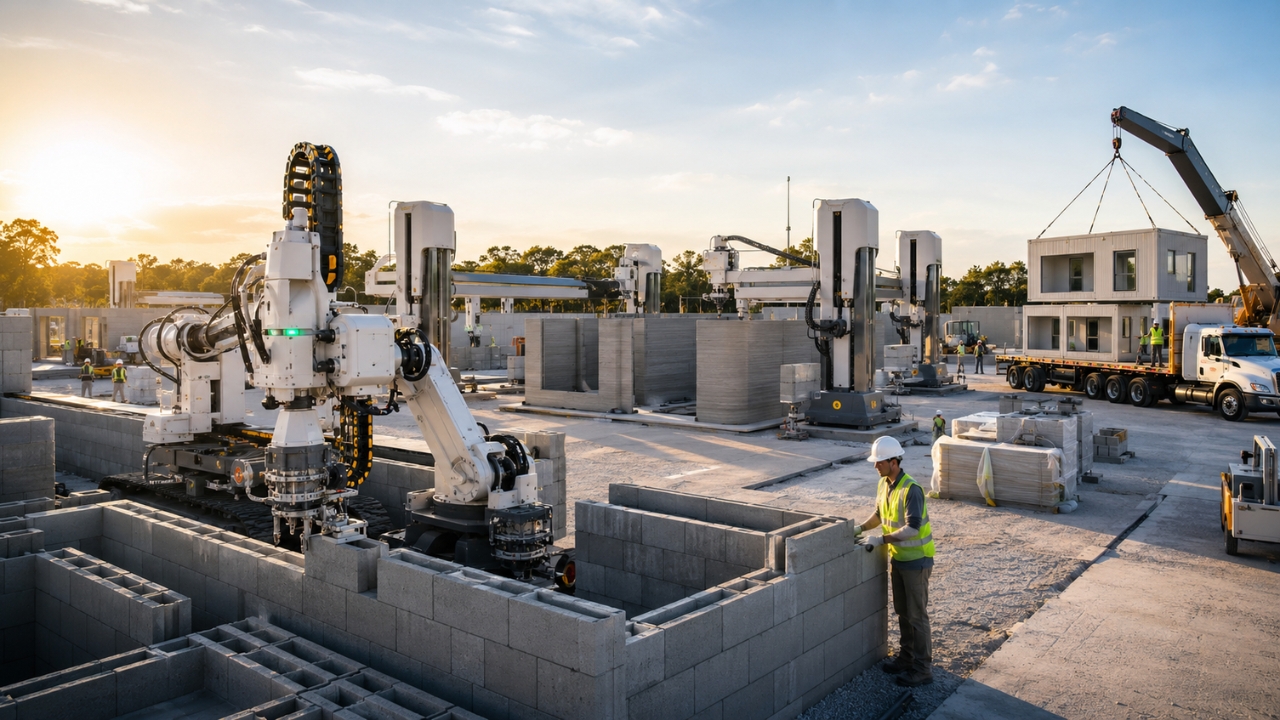

The construction industry is beginning to undergo a silent transformation with modular homes, 3D concrete printing, and robots capable of performing tasks previously done manually, promising faster projects, less waste, and more predictability.
The classic image of a construction site is still the same for millions of Brazilians: piles of bricks, bags of cement, scattered sand, schedule delays, budgets doubling halfway through, and a huge dependency on labor on-site. But, far from this traditional scenario, a silent shift has already begun to stir the construction industry.
Homes that arrive ready by truck, walls made by 3D printers, modules manufactured in industrial warehouses, and robots capable of precisely laying blocks are beginning to challenge the old model. The promise is straightforward: build faster, with less waste and less improvisation.
The construction industry may be entering the factory era
For decades, building a house meant assembling everything on the site, piece by piece, depending on the weather, the available team, the pace of the work, and decisions made along the way. This model still dominates, but it is beginning to face an uncomfortable question: why manufacture cars, appliances, and machines on an assembly line, but continue building houses almost the same way as decades ago?
-
Australia Builds Entire Airport from Scratch to Spark Development of New City

-
China to Drill 15 Kilometers into the Earth, Set to Break Russia’s Record for Deepest Man-Made Hole
-
Researchers Use Algae to Enhance 3D-Printed Walls, Boosting Strength by 25% and Speeding Construction by 33%

-
Drill Uncovers Freshwater Rivers Hidden Beneath the Ocean Floor


The answer lies in the advancement of industrialized construction. In this system, much of the house or building is no longer born on the construction site and is instead produced in a controlled environment, inside factories. Walls, bathrooms, kitchens, metal structures, entire modules, and even complete houses can come ready for installation.
What once seemed like an experimental solution is beginning to appear in different countries as an alternative to reduce timelines, cut losses, and tackle the shortage of skilled labor. Construction ceases to be just a project and starts to resemble a product assembled at scale.
Ready-made houses that arrive by truck change the game of traditional construction
One of the most striking examples of this transformation is in modular and prefabricated houses. Instead of months of walls slowly rising on the site, companies already produce complete modules in factories and send the structure to the final address by trucks.
In many cases, the house arrives with electrical, plumbing, finishing, doors, windows, bathroom, and kitchen already integrated. The construction site ceases to be a place where everything is improvised and becomes an assembly stage. For the consumer, the appeal is strong: less debris, fewer budget surprises, and a construction that can last days or weeks, not months.
This logic explains why the topic draws so much attention. Owning a home is one of the biggest challenges for Brazilians, and any technology that promises to shorten the path between the land and the key in hand gains immediate traction. The dream doesn’t change. What changes is the method.
3D printers begin to raise walls in hours
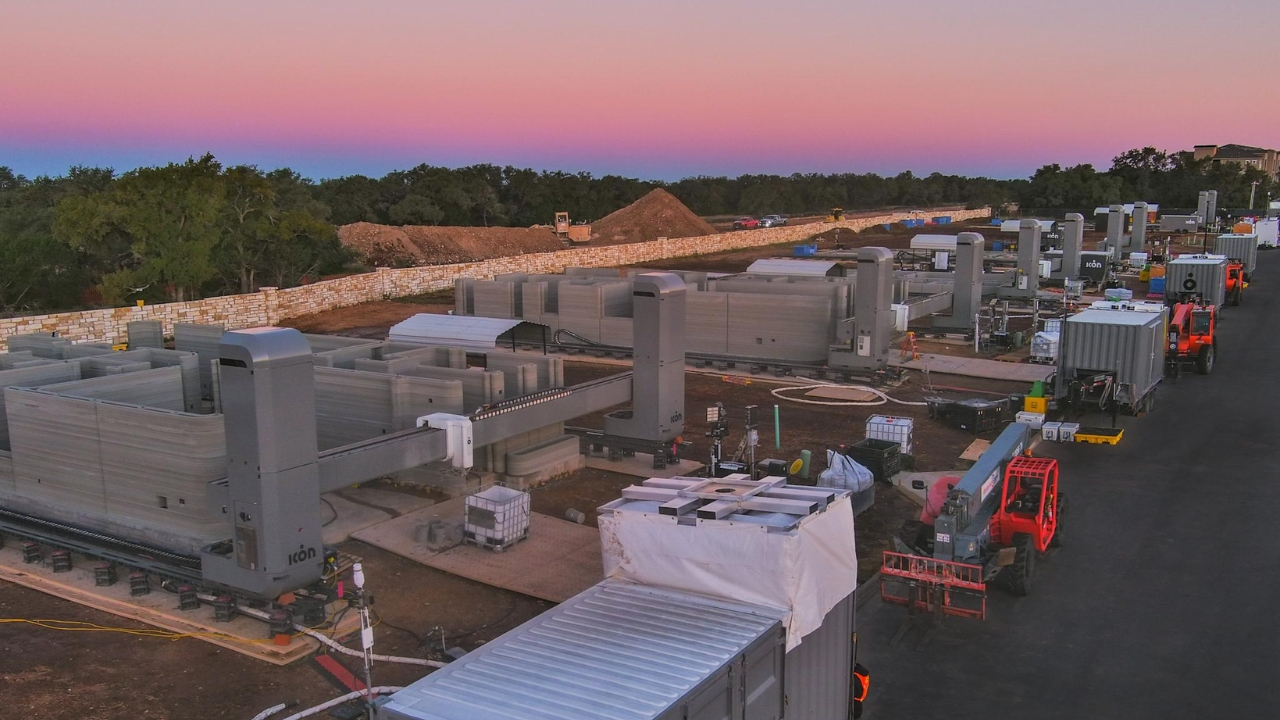
The second front of this revolution comes from 3D concrete printing. The technology uses large machines to deposit layers of material and form walls without relying on traditional brick or block laying.
In the United States, projects of communities with 3D-printed houses already show that the technology is no longer just a prototype. In Chile, an experimental house had its walls printed in about 29 hours, before the final assembly. This data is powerful because it contrasts two worlds: the conventional, slow, and artisanal construction against a machine that executes the structure at an industrial pace.
This does not mean that bricklayers, engineers, and technicians will disappear. But it shows that the most repetitive and heavy part of construction can be increasingly automated. The wall is no longer assembled brick by brick but is born from a digital, programmed, and controlled process.


Masonry robots promise to eliminate improvisation from the construction site
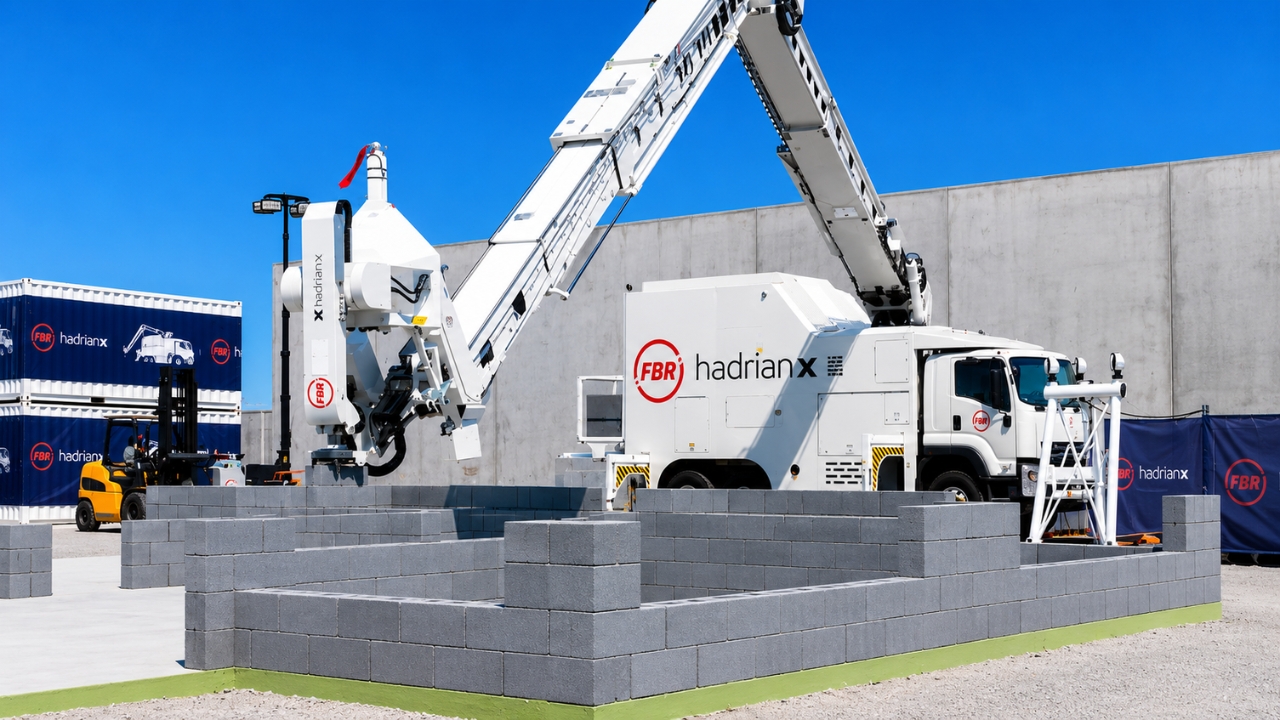
Another point that draws attention is the advancement of masonry robots. Machines like the Hadrian X, developed to lay blocks at high speed, show that automation has already reached tasks that seemed impossible to take out of human hands.
These robots do not transform the construction site into a worker-free environment overnight. The change is deeper: they indicate that the construction industry is beginning to mimic the logic of manufacturing, with precision, repetition, quality control, and constant speed.
Instead of relying solely on the manual pace of a team, the construction now includes equipment capable of performing standardized tasks for hours, reducing errors and speeding up stages. For a sector known for delays and waste, this can represent a paradigm shift.
Less debris, less delay, and more predictability
The great advantage of industrialized construction is not just speed. It is predictability. When a house is produced in a factory, it becomes easier to control material, labor, finishing, schedule, and quality.
There is also a significant gain in waste reduction. In a conventional construction, it is common to have leftover cement, wood, broken blocks, poorly planned cuts, and rework. In an industrial environment, material usage tends to be more calculated, waste decreases, and logistics become more organized.
This point is crucial because the construction industry is one of the sectors that consumes the most resources and generates waste. If houses, walls, and modules can be produced with fewer losses, the impact goes beyond price: it also involves sustainability, productivity, and scale.
The revolution still has obstacles
Despite the potential, this transformation does not happen without barriers. Modular houses, 3D printing, and construction robots still need to face technical standards, financing, transportation, consumer acceptance, adaptation to different terrains, and high initial costs.
There is also cultural resistance. Many people still associate a good house with traditional construction, brick by brick. Changing this perception requires time, real examples, and confidence that the technology delivers durability, comfort, and safety.
Even so, the movement seems hard to ignore. When companies, universities, and governments start testing industrial solutions for housing, the sector receives a clear signal: the construction industry cannot remain stuck in the same model while the rest of the economy accelerates.
The future of homeownership may be born far from the land
The big shift is this: the house of the future might not start with a builder mixing mortar in the backyard, but with machines working inside a factory. The land may cease to be the place where everything begins and become just the final assembly point.
If this trend gains scale, the construction industry could undergo a transformation similar to what happened in other industrial sectors. What was once artisanal, slow, and full of improvisation could become faster, standardized, and predictable.
For millions of people who dream of owning a home, this could represent a huge change. The question that remains is simple and powerful: if a house can be manufactured, transported, and assembled like a product, how much longer will traditional construction continue to dominate the future of building?


