






 Portuguese
  Spanish
  5 min of reading
  0 comments


In Byron Shire, Australia, a compact house on wheels became a dispute between expensive rent, solar energy, dry toilet, alternative housing, and urban rules that can decide if a person keeps or loses their own home
A compact house on wheels seemed like the solution for Matt Bruce to escape the burden of rent in Australia. He invested his life savings, installed solar energy, set up a dry toilet, and began living in a simple, small, and independent dwelling.
The information was published on September 10, 2023 by The Guardian, a British newspaper with international coverage. The case occurred in Byron Shire, a region linked to Byron Bay, in New South Wales, where housing pressure made the issue even more delicate.
The problem began when the local council treated the structure as permanent housing without approval. For Bruce, the house could be moved and should be seen as a type of trailer. For the local authority, the main point was different: the installation needed to comply with building and land use regulations.
-
Facing a Shortfall of 83,900 Homes, Curitiba Considers Social Housing with Public Units, Reduced or Free Rent, Prioritizing Seniors, Victims of Violence, and the Homeless

-
Abandoned Building in Brazil’s Vitória to Be Transformed into 44 Affordable Housing Units with Government Funding
-
Brazil Launches First National Registry to Identify Millions of Gifted Children Hidden in Classrooms, with Only 56,000 Officially Recognized So Far
-
17-Year-Old Julia Leguiza Wins Brazil’s Only Gold at Major International Women’s Math Olympiad, Achieving Best Latin American Performance


The small house had solar energy, a dry toilet, and a simple life, but became the target of a demolition order
Matt Bruce was 38 years old when he faced the dispute with the local council. He had been living for 3 years on the edge of a 57-hectare property, 15 minutes from Mullumbimby, in northern New South Wales.
The compact house had solar panels and a dry toilet. This type of toilet does not rely on a common sewage network like a traditional house. Even so, the autonomy of the dwelling did not end the legal discussion.
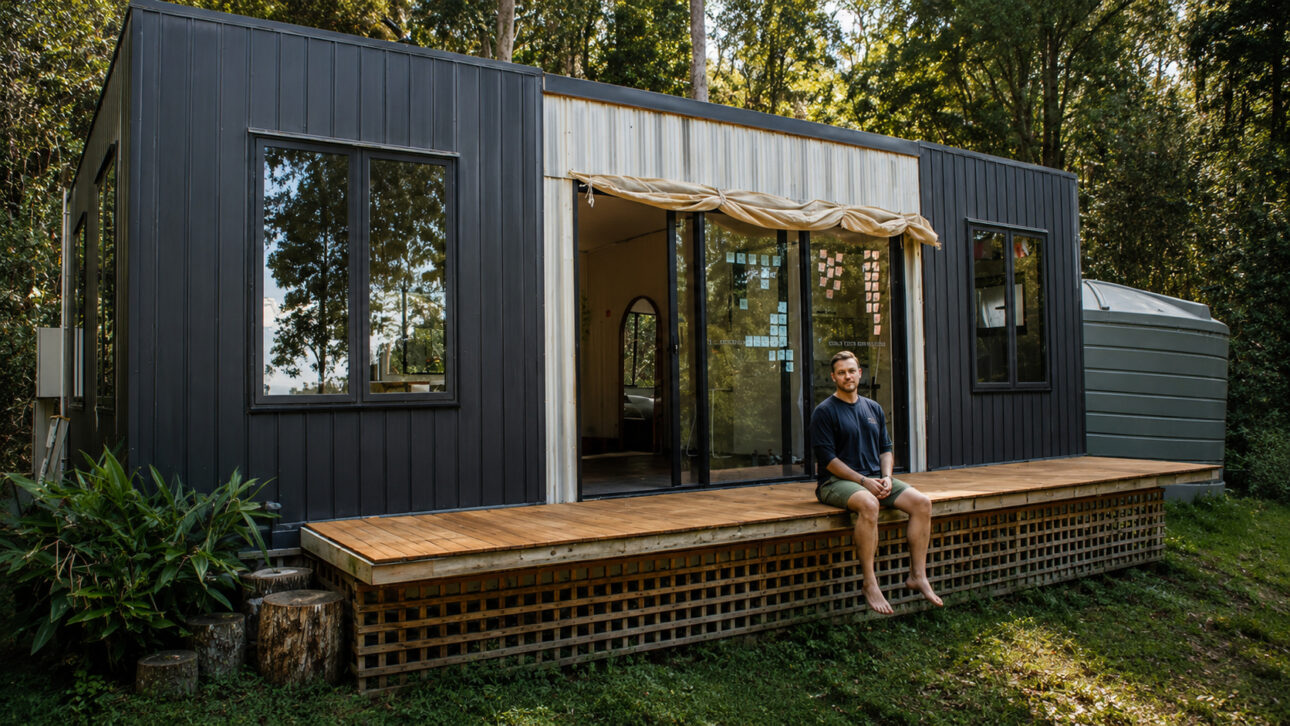
The local council understood that the structure functioned as a permanent house. This means it might require authorization, inspection, and regularization, as is the case with a common construction.
The conflict began because the house could be seen as a trailer or as a fixed dwelling
The dispute was not just about the size of the construction. The central point was whether the compact house was truly mobile. If accepted as mobile, it could fall under a different classification. If treated as fixed, it would need to follow stricter rules.
Bruce claimed that the structure could be moved. He also argued that losing the house could leave him homeless. The council’s letter acknowledged that the demolition order could have this effect and included contacts for emergency accommodation services.
This part makes the case more sensitive. The same rule used to control irregular constructions could also take away the roof of a person who had been living there for 3 years.
Solar energy and dry toilet help, but do not replace license and regularization
The story shows a common confusion when it comes to alternative housing. Many people believe that a small house, with low consumption and self-sufficient solutions, is automatically exempt from urban rules.
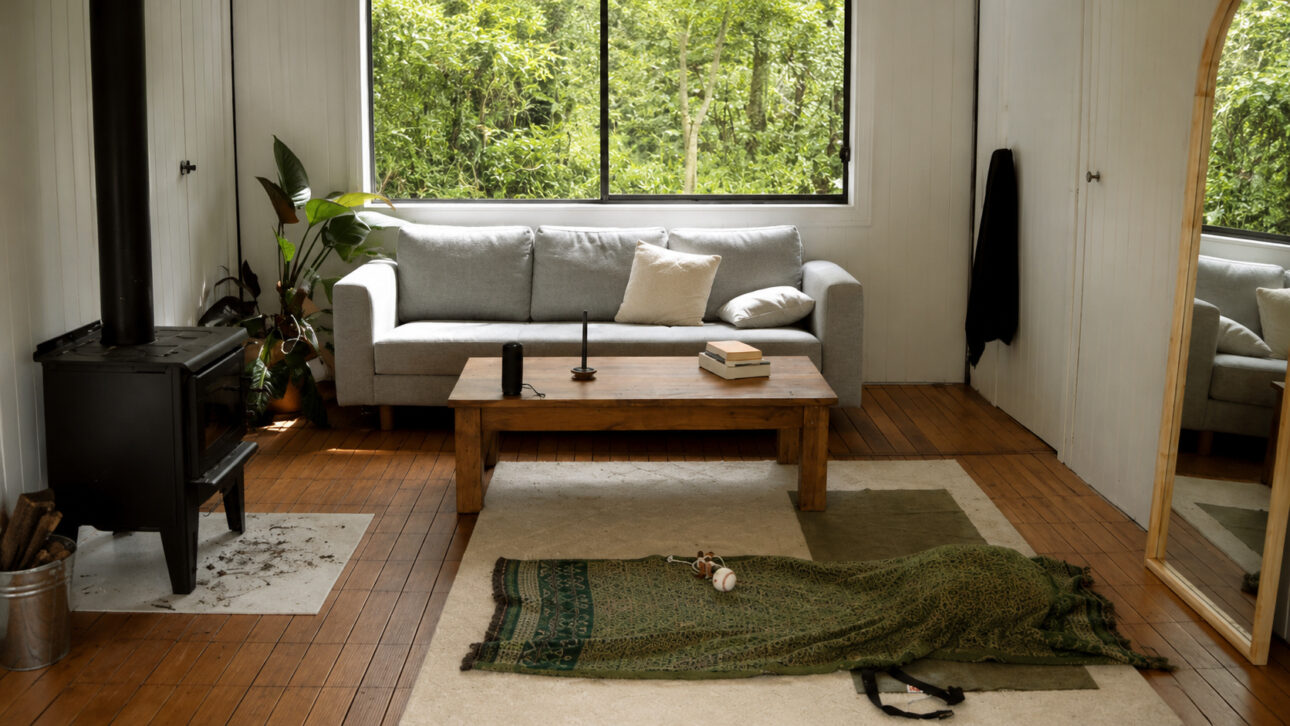
In practice, it is not like that. A house can use solar energy, occupy little space, and have a dry toilet, but still depend on authorization from the local authority. The rule exists to assess safety, water, waste, land access, fire risk, and flood risk.
It is not enough, then, to place a structure on a plot and call it a mobile home. The municipality may understand that it has become a fixed dwelling and require documentation.
The local council suggested a solution, but the change would be costly for the resident
The Guardian, a British newspaper with international coverage, reported that the local council suggested an alternative to avoid demolition. The house could be moved closer to the existing main dwelling on the property.
Bruce rejected the solution because the move would cost thousands of dollars and, in his view, did not make sense. His statement summed up the frustration with the requirement: “It doesn’t make sense.”
At the time of the report, the demolition order was still in effect. Additionally, the property owner received a fine of $9,000 for development without consent, a term used for constructions or occupations carried out without the required approval.
Byron Bay became a symbol of expensive rent, and the compact house entered the housing debate
The Byron Bay region was already appearing in discussions about high rent, lack of affordable housing, and real estate pressure. In this context, compact houses are starting to attract those seeking a cheaper, simpler, and more independent life.
Bruce’s case shows that the individual solution doesn’t solve everything alone. The house may be cheaper than traditional housing, but it still needs to fit within the rules of the place where it will be installed.
The rental crisis makes the discussion more urgent. However, without clear rules, residents, landowners, and local councils find themselves in conflict. Those investing in a compact house may discover too late that the problem wasn’t just building it, but proving they could live there.
The case serves as a warning for Brazilians dreaming of escaping rent with a compact house
In Brazil, many people also try to escape rent, build gradually, or live in smaller spaces to reduce costs. The Australian story should not be copied as a ready-made model, but it brings an important warning.
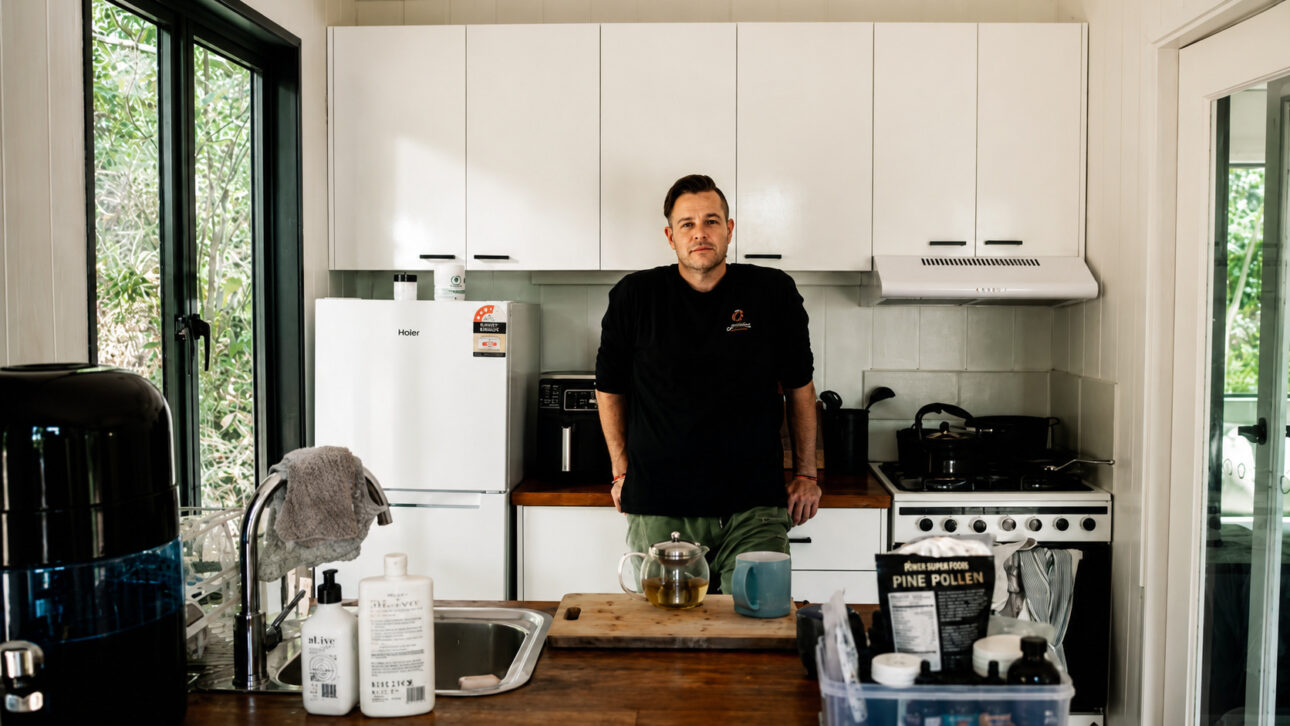
Before buying or installing a compact house on wheels, it’s necessary to understand what the city allows. Rural land, urban area, water network, sewage disposal, energy, access, and municipal rules can change the whole situation.
The lesson is straightforward: a small dwelling may seem simple, but the legal part can be significant. Without authorization, the dream of saving on rent can turn into a fine, removal order, or even loss of the construction.
The demolition order faced by Matt Bruce shows the clash between autonomy and bureaucracy. He set up a compact house with solar power and a dry toilet, but the local authority treated the structure as a permanent residence without approval.
The story also exposes a bigger question: if rent is increasingly burdensome, to what extent should cities facilitate compact houses without compromising safety, clear rules, and protection for those living in them? Comment or share this discussion.


Be the first to react!