





 Portuguese
  English
  Spanish
  4 min of reading
  0 comments


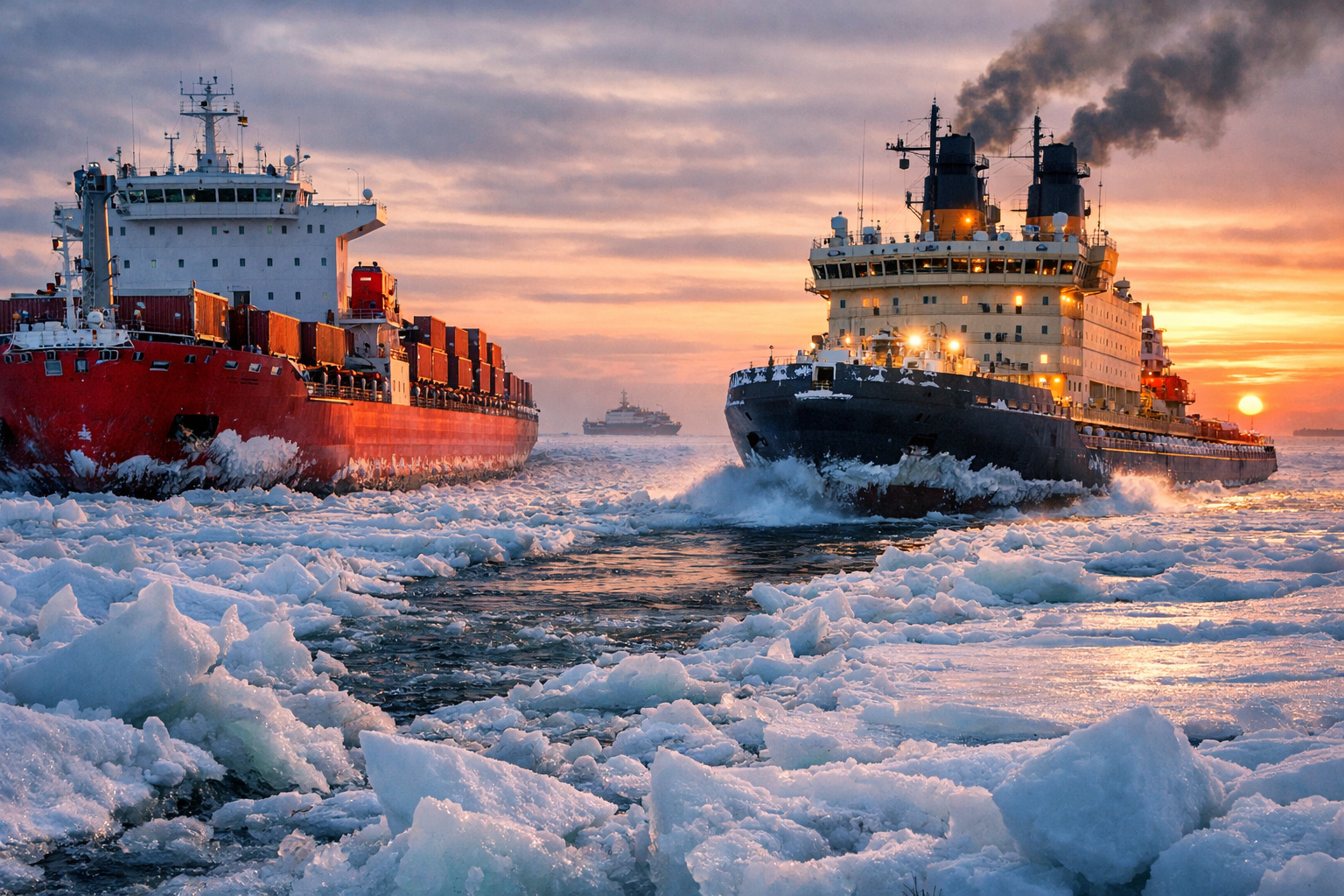
With Up to 181 Thousand Square Kilometers Covered by Ice and Layers of Up to 40 Centimeters in the Gulf of Finland, Cargo Ships Depend on Icebreakers to Keep Vital Energy and Commodity Routes Operating in Northern Europe
Cargo ships the size of buildings have begun to become immobilized in the Baltic Sea. Not due to mechanical failure. Not due to a lack of fuel. But because of ice. The winter of 2026 brought the worst ice formation in the region in 15 years. The scenario resembles the 2010 and 2011 season, when maritime transport in the northern Europe operated under maximum pressure.
The impact goes beyond the white landscape. We are talking about strategic routes for energy, fuels, ores, and industrial inputs that supply part of the European continent.
The Billion-Dollar Challenge That Frozen One of Europe’s Most Strategic Maritime Routes
The Baltic Sea is not just any route. It connects industrial economies such as Finland, Sweden, and the Baltic countries to the rest of the global market.
-
Thousands of recycled glass bottles are transformed into foam insulating blocks, replace heavy gravel in construction, protect foundations, and reduce construction costs.

-
While common residences rely on expensive and polluting synthetic materials, a house in Denmark uses seaweed pillows as facade, roof, and insulation, bringing energy savings and preservation of tradition.
-
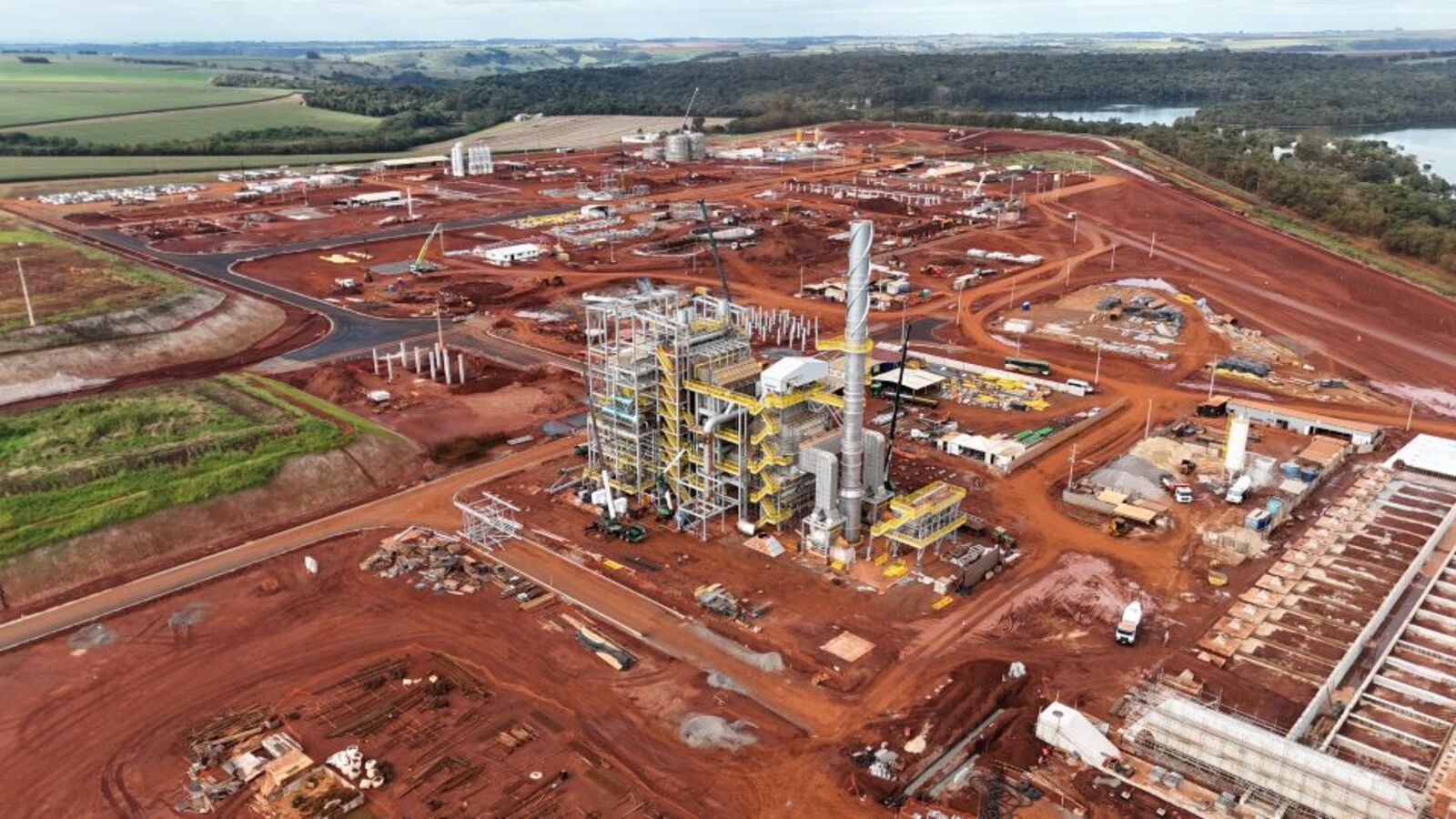
The major construction of the new corn ethanol industry in Brazil is advancing quickly, reaching 45% of the schedule, entering the mechanical assembly phase, and mobilizing more than 70 companies with up to 2,000 temporary jobs expected.

-
Goodbye to slow underground works: small robots create the tunnel structure before excavation, eliminate human risks, and speed up projects tenfold.



According to data released by regional maritime authorities, ice coverage reached 181 thousand square kilometers, well above the historical average for this time of year.
To put it in perspective, this is an area larger than many European countries.
In the Gulf of Finland, a sensitive point for regional navigation, the ice reached a thickness of between 30 and 40 centimeters. Conventional ships simply cannot advance under these conditions without specialized support.
And every hour stranded at sea means logistical delays, increased costs, and pressure on production chains.
The Industrial Secret Behind the Survival of These Routes: Icebreakers Operating at the Limit
When the ice closes in, an engineering solution few people know about comes into play.
Icebreakers are vessels designed with reinforced hulls and enough power to literally crush frozen layers and open navigable corridors. Without them, commercial traffic practically comes to a standstill.
Authorities have confirmed that the national fleets are fully operational. Finland has mobilized its resources to keep the routes open.
Russian icebreakers are also operating in the Gulf of Finland to assist vessels from their own country. Finnish authorities stated that this is not an emergency aid situation, but rather operational coordination amidst severe conditions.
Even so, the scenario reveals something unsettling: modern navigation still relies on brute force and heavy engineering to confront nature.
Giant Cargo Ships Against the Ice: When Steel Ships Become Vulnerable
The cargo ships crossing the Baltic transport fuels, chemicals, grains, and industrial raw materials.
They are colossal steel structures designed to withstand ocean storms. Even so, faced with a thick layer of compact ice, they become limited.
Without support, they can become stuck for hours or days. According to maritime industry specialists, navigation under ice requires specific planning, structural reinforcement, and constantly monitored routes.
The problem is not just physical. Each interruption creates a domino effect on regional trade.
And this occurs at a time when Europe is still adjusting its energy and industrial supply chains.
What Changes Now in the Maritime and Energy Sector of Northern Europe
Authorities expect conditions to improve by the end of March, with the onset of spring.
But this incident has already raised a strategic alert. The severe winter exposes the dependence on specialized infrastructure and the need for robust logistical planning.
Companies operating on these routes need to consider ice navigation capabilities, coordination with icebreaker services, additional operational costs, and potential delays in the delivery of strategic cargo.
There is no official figure released regarding losses at this time. Nonetheless, estimates suggest that each prolonged interruption can significantly raise shipping costs in the region.
For the energy sector, any delay in sensitive routes generates tension in contracts and pressures industrial deadlines.
The ice is not just a climatic phenomenon. It becomes an economic variable.
What happens in the Baltic is not merely an episode of harsh winter. It is a reminder that maritime infrastructure, naval engineering, and energy logistics remain exposed to natural forces capable of halting entire global supply chains.
And when giants of steel get stuck, the entire market feels it.
Do you believe that weather events like this can change the planning of major maritime routes? Share your opinion in the comments.






-

-

2 people reacted to this.