






 Portuguese
  Spanish
  3 min of reading
  0 comments


British factories use robots and lasers to produce structural wood panels that speed up housing construction, reduce timelines by up to 10 weeks, address the housing crisis, and offer an efficient industrial model with less labor and waste
In the United Kingdom, house construction is gaining speed with robotic arms and lasers assembling ready-to-install wood panels. The process transforms production and allows about 100 houses to be manufactured per week, significantly reducing construction time compared to traditional methods.
The panels arrive at construction companies as a complete kit, reducing manual labor, rework, and bureaucracy. Automation ensures precision and standardization, speeding up the delivery of homes and offering a practical solution to the shortage of professionals in the sector.
The information was released by Reuters, a news agency, which detailed the operation of the Donaldson Timber Systems factory, located in Witney, near Oxford, showing how technology transforms wood into structural panels ready for assembly.
-
During the construction of the world’s highest bridge, the Huajiang Bridge in China, engineers discovered a giant aquifer and turned what would have been a serious problem into a 625-meter artificial waterfall, an engineering feat that no one had planned.

-
The river rose 15 meters overnight and devastated a village in Vietnam in 2025, and Japan responded with dams that hold back mud and stones, training 15,000 people for evacuation, and a sewage station for 1 million residents.
-
Russia erected the tallest building in Europe on ground as soft as quicksand, on the edge of the Gulf of Finland, with 264 piles of 25 meters, 30 thousand tons of steel, and 16,500 glass panels curved one by one in Saint Petersburg.
-
A mother of four sought a safer family environment, watched tutorials on the internet, built a 325 m² house with her family, and learned foundation, walls, plumbing, and electrical work without any professional experience.





Why the United Kingdom invests in wooden houses
Traditional construction faces delays due to a lack of skilled workers. Industrial production with wood panels offers efficiency and speed, allowing each piece to be manufactured with precise measurements and ready for assembly.
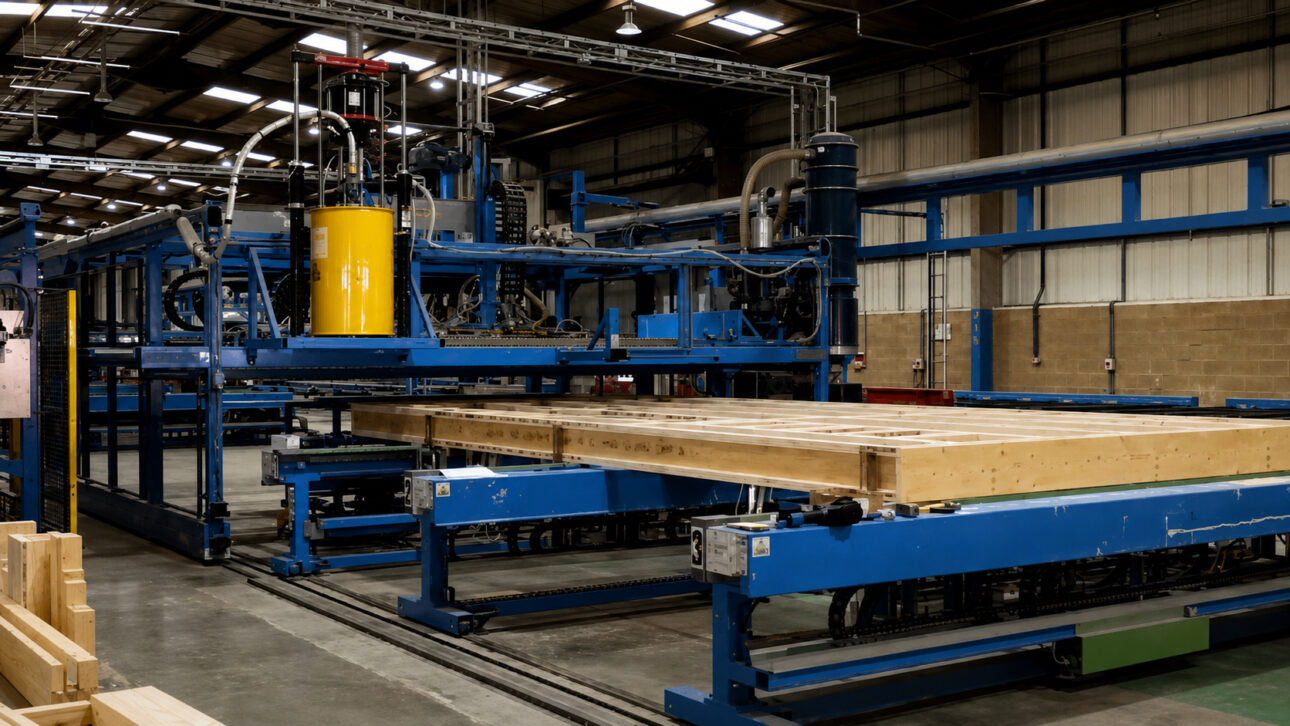
In addition to reducing dependence on labor, the model decreases waste and facilitates project planning. Industrialized houses offer predictability of timelines and costs, making the sector more competitive and sustainable.
How robots replace manual cutting and bureaucracy
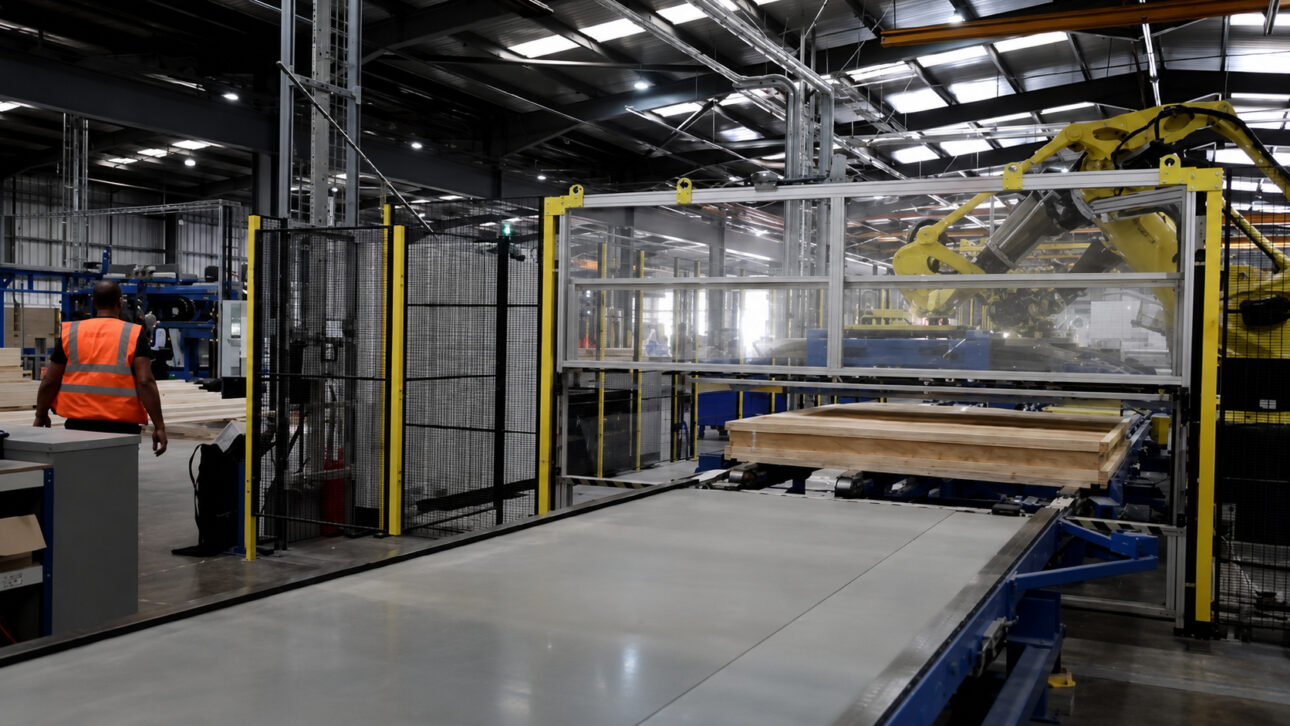
The robotic arms and lasers cut, shape, and assemble the wood according to the project, eliminating much of the manual labor and measurement errors. Each panel receives a digital record that simplifies transportation and logistics at the construction site.
The use of automation speeds up production and ensures that construction stays on schedule, allowing for time savings and a reduction in common problems in traditional construction, such as material confusion or rework.
The impact of producing 100 houses per week
Manufacturing 100 houses per week means meeting housing demand more quickly and reducing delays that often occur in manual constructions. The standardization of parts reduces costs and material waste, resulting in more affordable housing and efficient delivery.
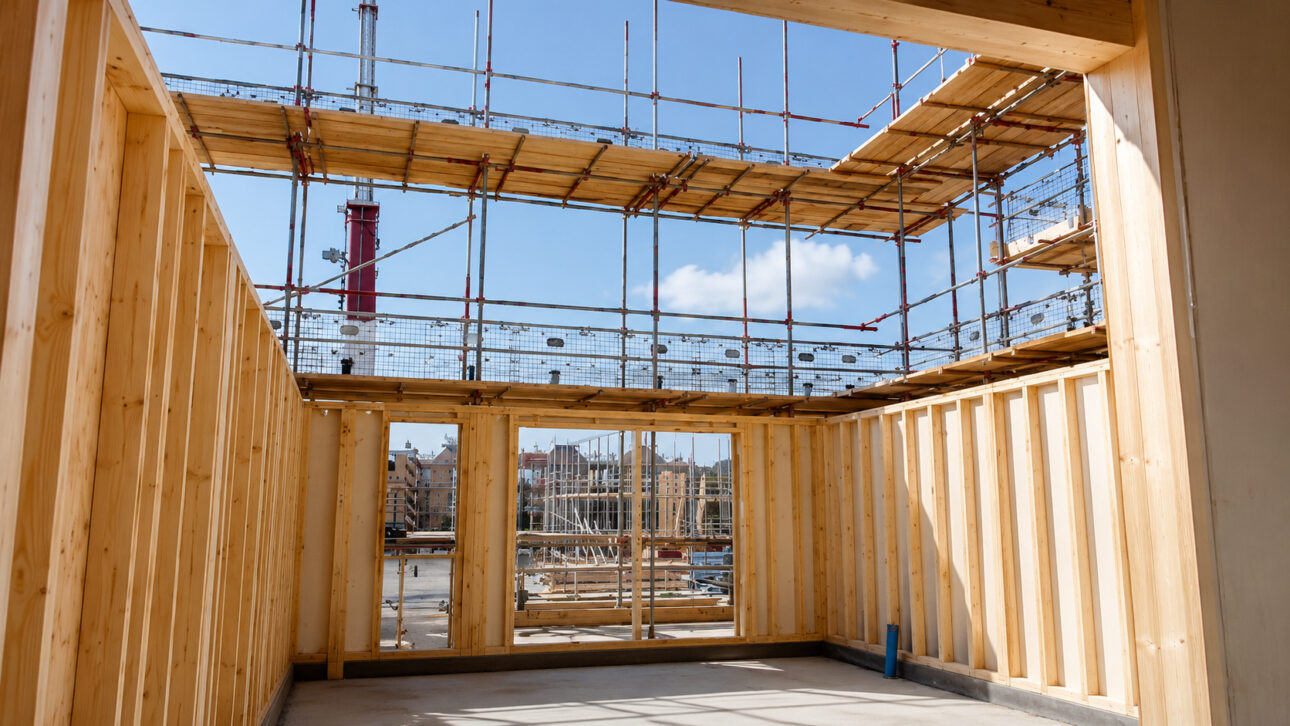
The industrial system offers greater control over quality, schedule, and cost, benefiting both builders and buyers. Houses ready in less time represent innovation in the sector and a concrete response to the housing crisis.
Why Brazil could adopt this model
In Brazil, many constructions still rely on manual labor and slow processes. The adoption of prefabricated panels and automation could reduce delivery time and construction costs, especially in large-scale projects.
The industrial model contributes to sustainability and resource savings, as the wood is prepared in a planned manner with less waste. This also helps standardize quality and accelerate timelines in housing projects.
Reuters brought the cited numbers and timelines
Reuters, news agency, provided data on the production capacity of 100 houses per week and the reduction of construction deadlines by about 10 weeks. The report shows how automation with robots and lasers is redefining house construction in the United Kingdom and offers a solution to the labor shortage.
The technology combines efficiency, sustainability, and speed, ensuring houses are ready in less time, with less rework and controlled costs, and creates an industrial model that can inspire other countries to modernize the sector.
Do you believe that prefabricated house models with automation could solve the housing crisis in Brazil in a practical and quick way?








Be the first to react!