Portuguese
  Spanish


In São José, two wooden houses were demolished on Morro do Alemão, in Potecas, after inspection pointed out irregular construction in a preservation area. The city hall states that it has already carried out 30 demolitions in 2026 and uses drones, monitoring, and field teams to contain occupations on unstable and dangerous slopes.
Two houses built irregularly in a preservation area were demolished by the São José City Hall, in Greater Florianópolis, Santa Catarina. The action took place on Wednesday, May 27, 2026, on Morro do Alemão, in the Potecas neighborhood, after the structures were identified by municipal inspection.
According to the portal ND Mais, the constructions were made of wood, each about 20 square meters, and according to the inspection, there were no residents at the site at the time of demolition. The city hall reported that the houses had begun to be erected a few days before, the week prior to their removal.
Houses quickly erected raised an alert in preservation area
The houses demolished on Morro do Alemão caught the attention of the inspection for having been built in a short time and in an area where irregular occupation poses environmental and urban risks. In preservation regions, this type of construction may involve vegetation suppression, opening of improvised access, and encroachment on sensitive lands.
-
Alert in Santa Catarina: the Anita Garibaldi Bridge on BR-101 is completely closed in both directions due to “structural risk,” and drivers are diverted to a 20 km/h detour that promises kilometer-long queues until July 20.

-
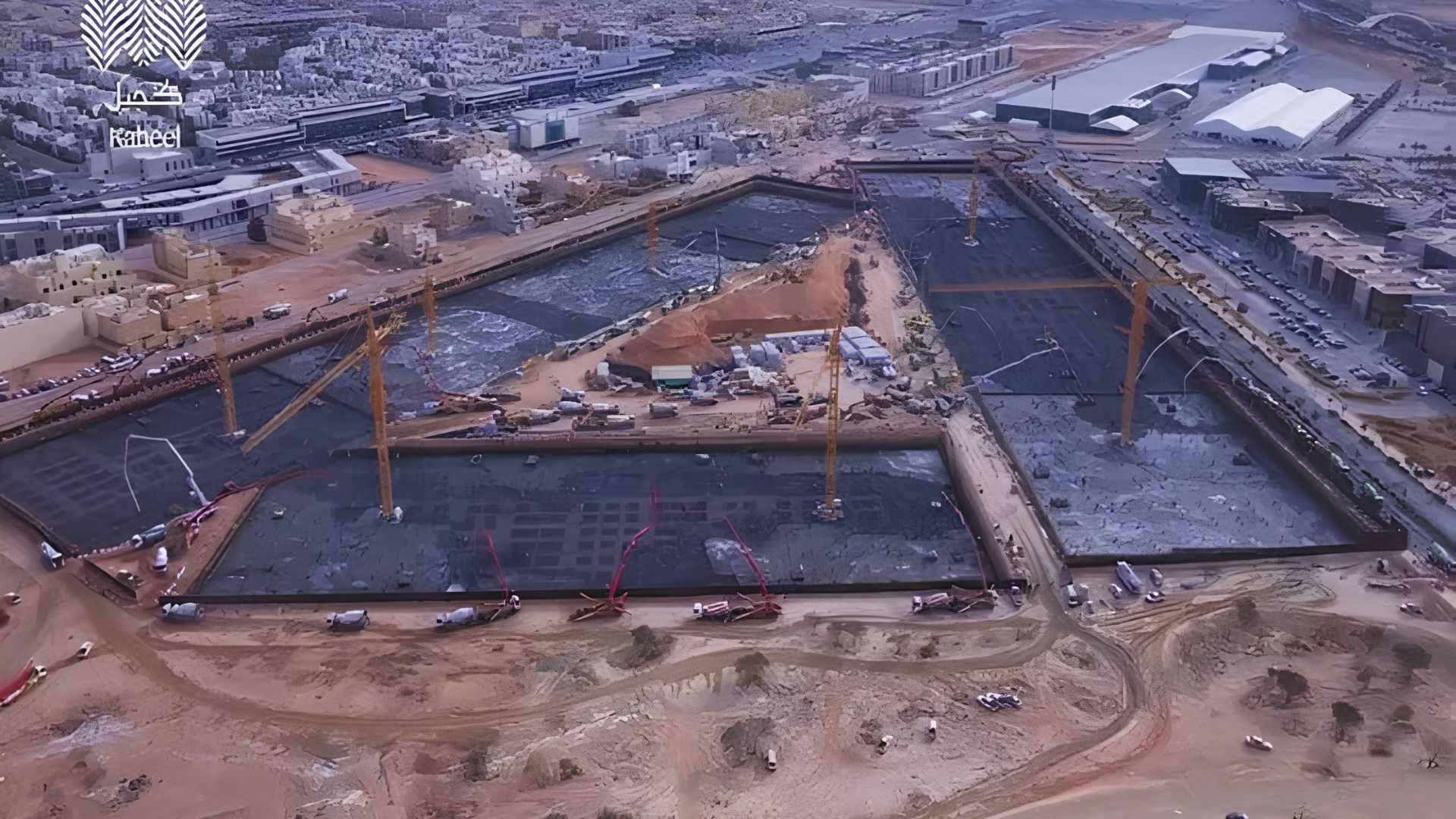
More than 6,000 trucks poured nearly 70,000 cubic meters of concrete without interruption for 72 hours to create the largest continuous concrete pour in history and erect a megaproject in Saudi Arabia.
-
28-meter, 156-ton titans traveled 20,000 km from China to the port of Santa Catarina: Portonave received 7 fully electric megacranes, part of a R$ 210 million package, to double container handling.
-
They exchanged the idea of a large house for a 35 m² warehouse, spent US$ 12,000 on the structure, and created a tiny house in Colorado with space to live and work.




The city hall’s action occurred before there was effective occupation of the properties. This point is important because demolitions in already inhabited areas usually involve more complex social impacts, while recent and unoccupied constructions allow for quicker intervention by the public authorities.
São José City Hall already totals 30 demolitions in 2026

According to the municipal administration, São José has already recorded 30 demolitions of irregular constructions in 2026. The number shows that the Morro do Alemão case is not isolated, but part of a broader strategy against invasions and occupations in vulnerable areas.
The actions involve inspection teams, constant monitoring, and the use of drones to identify new constructions. The technology helps to locate changes in the terrain more quickly, especially on slopes, forest areas, and points where land access may be more difficult.
Risk slopes increase concern for residents’ safety
The problem does not only involve environmental legislation. Many irregular constructions appear on unstable slopes, where terrain cuts, vegetation removal, and unplanned occupation can increase the risk of landslides and accidents.
In sloped areas, small interventions can alter rainwater drainage and weaken the soil. Therefore, houses built without technical study, without authorization, and without adequate infrastructure can endanger not only those trying to occupy the site but also residents of nearby areas.
Irregular occupation also causes environmental damage
The presence of houses in a preservation area can cause effects that go beyond the construction itself. The opening of clearings, removal of vegetation, and irregular land division affect the environmental balance and hinder the natural recovery of the terrain.
When this process is repeated, the impact ceases to be punctual. Several small occupations can form a continuous urban pressure on green areas, reducing slope protection, increasing erosion, and creating new risk points within the city.
Use of drones changes urban inspection in São José
The use of drones allows the city hall to monitor sensitive areas more frequently and identify constructions in the initial phase. This can prevent occupations from growing before the responsible teams act.
The technology also works as a prevention tool. By detecting recent movements, construction materials, or opening of areas in the forest, the municipality can act before the situation advances to a consolidated nucleus of irregular housing.
Demolitions divide debate between preservation, housing, and risk

Cases like São José usually generate discussion because they involve sensitive topics: right to housing, environmental protection, public safety, and urban inspection. Even when there are no residents on site, the image of demolished houses raises questions about the lack of housing planning.
At the same time, the public authorities argue that allowing occupations in risk areas can lead to future tragedies. The challenge is to prevent dangerous invasions without ignoring the social problem that leads families to seek irregular land to build.
Morro do Alemão enters the alert map against new invasions
The demolition in Morro do Alemão reinforces attention on the Potecas neighborhood and other regions of São José with areas susceptible to irregular occupations. Places with vegetation, slopes, and land without constant inspection tend to be more vulnerable to the opening of clandestine constructions.
The prefecture claims to act to contain the advance of these occupations before they consolidate. The logic is to prevent new houses from appearing in areas where the environmental and geotechnical risk is already known, reducing the need for more difficult actions in the future.
Now the question remains: is the quick demolition of newly erected houses in a preservation area the best way to prevent future tragedies, or does the public authority also need to expand housing solutions to prevent new invasions? Leave your opinion in the comments.