






 Portuguese
  Spanish




Vivo Mobile Communications Subsidiary Starts Production in Manaus and Highlights Chinese Expertise in Slim, Lightweight, and Powerful Smartphones
JOVI, the new brand from Chinese giant Vivo Mobile Communications, took the first step to establish its presence in Brazil by starting smartphone production in the Manaus Free Trade Zone. With plans to conquer the Brazilian consumer, the brand bets on sophisticated design, cutting-edge technology, and advanced photography features. According to the website TudoCelular, the initiative promises to heat up the national market and reflects the direct impacts of the evolution of foldable devices that have been gaining prominence globally.
National Production and Strategic Entry of JOVI in Brazil


Vivo Mobile Communications, known internationally for its innovation in mobile devices, chose to use the name JOVI in Brazil to avoid conflict with the carrier Vivo. National production at the Manaus factory aims to streamline logistics, reduce costs, and provide local technical support, making the devices more competitive in the country.
The official store launch is scheduled for the second quarter of 2025, and one of the models already approved by Anatel is the JOVI V50 Lite 5G, which is expected to be the first to reach Brazilian consumers.
-
Meta to Launch Arena, a New Prediction App Targeting 3.56 Billion Users, Competing with Polymarket and Kalshi

-
Scientist Challenges Famous Human Evolution Theory, Argues Homo Sapiens Evolved Gradually Over Thousands of Years
-
15-Year-Old American Builds Ocean Generator with PVC Pipe and 3D-Printed Propeller for $12, Wins National Prize, Presents at White House, and Makes Forbes 30 Under 30 List

-
$12 Billion Invested in AI Data Centers in Semi-Desert Mexican State, But 17 of 18 Municipalities Now Face Water Shortages, Residents Receive Water Only 3 Days a Week




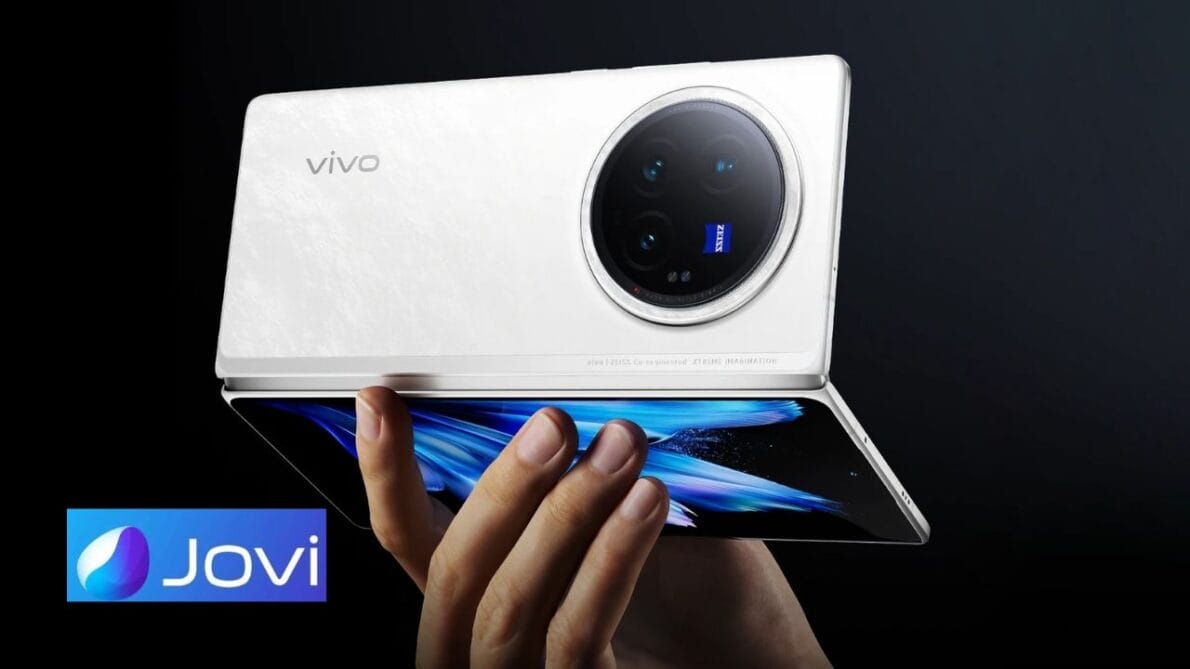
The Strength of Chinese Foldables: The Example of the Vivo X Fold 3 Pro
The launch of JOVI in Brazil reflects a moment when Chinese brands are dominating the foldable smartphone segment, offering products that impress with their lightweight design, power, and premium finish.
A clear example of this technological revolution is the Vivo X Fold 3 Pro, launched in March of this year in China. It features:
- Snapdragon 8 Gen 3 chipset
- Two AMOLED displays with up to 4500 nits of brightness
- Aluminum structure with glass finish
- Weight of only 236 grams, one of the lightest in the segment
- 5700 mAh battery with 100W wired and 50W wireless charging
- ZEISS rear cameras up to 64 MP with optical zoom
- Two ultrasonic fingerprint sensors under the display (internal and external)
The device also stands out for having a carbon fiber hinge and IPX8 water resistance, in addition to running Android 15 with artificial intelligence features like dynamic wallpapers and AI image editing.
Although the model has no sales forecast in Brazil, it showcases the level of sophistication that the manufacturer has already achieved in its local markets — which could potentially reflect in models launched here in the future.
What to Expect from JOVI in Brazil?
Initially focusing on mid-range devices like the V50 Lite 5G, JOVI is set to compete with established brands in the country, offering differentiators such as modern design, premium camera experience, and simplified interface, in addition to the advantage of local production.
According to Folha de S.Paulo and TudoCelular, the brand’s strategy is clear: to attract consumers looking for style, technology, and fair prices, all with national technical support.





