Portuguese
  Spanish



Realistic Disguises Surprise and Expose Failures in Digital and Automotive Security
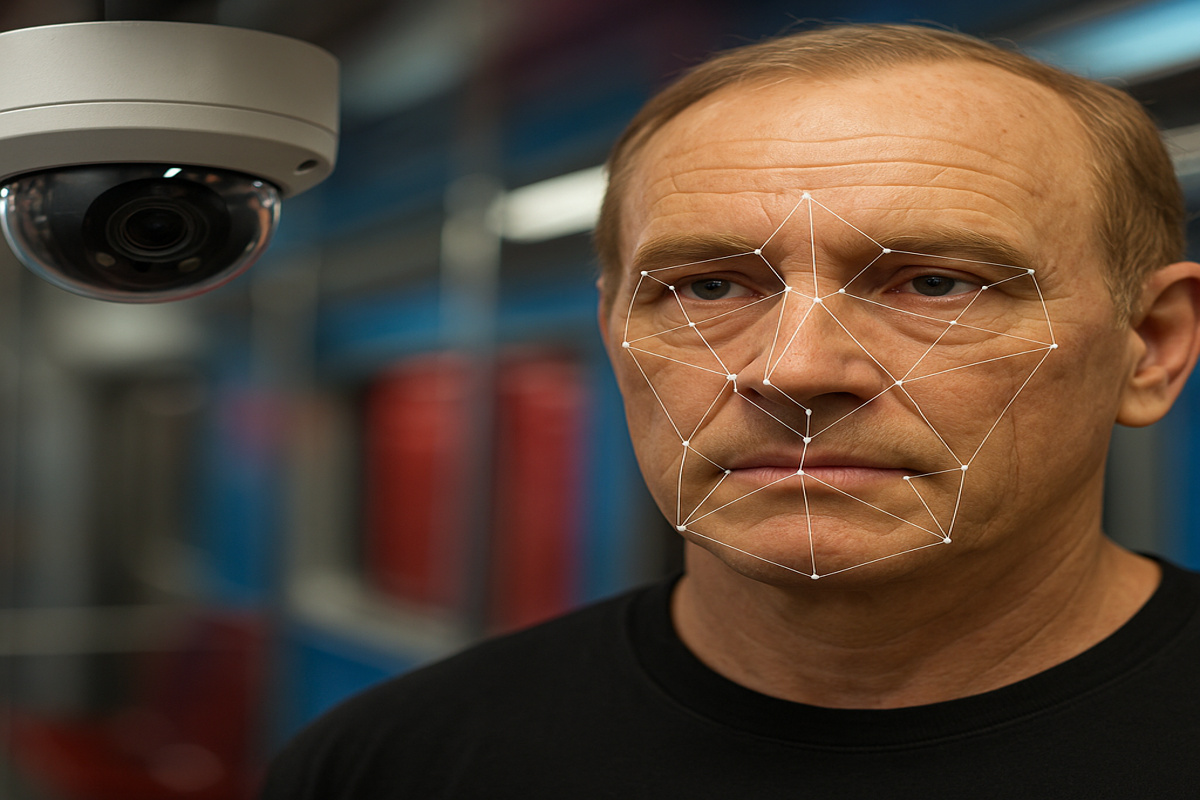
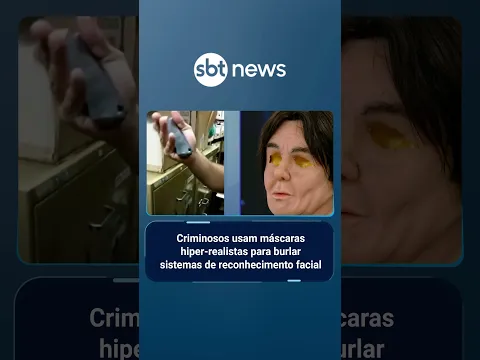
Criminals in Brazil are using ultra-realistic 3D masks to deceive security cameras and facial recognition systems.
The strategy gained momentum in July 2025, especially in large urban centers, such as São Paulo, Rio de Janeiro, and Minas Gerais.
Now, these criminals are employing technology once confined to cinema to steal cars and bypass identification systems.
The masks confuse even the victims’ family members and hinder law enforcement actions.
Thefts with Masks Spread Across Major Capitals
In addition to being sophisticated, the masks allow criminals to easily blend into crowds.
They adopt silicone disguises with skin texture, wrinkles, and hair strands, simulating real faces.
Therefore, they can approach drivers, escape from being caught, and deceive cameras with shocking accuracy.
The images captured are no longer sufficient to identify suspects.
The quality of the masks hampers investigations. They block facial recognition and slow down searches.
-
She spent 73 years breathing inside an iron lung, survived the aftereffects of polio, and became the last woman in the United States dependent on the equipment before dying at 78 years old.

-
Brazilian students created a $1 filter using pine bark, cotton, and 3D-printed parts to clean cassava wastewater, reduce the toxicity of a hazardous waste, and transform contaminated water into biofertilizer.

-
Astronaut from Artemis II steps down after mission to the Moon and decision surprises after a record of 406,771 km, a historic 10-day journey, and an unprecedented achievement for Canada.

-
A fossil kept for years in a small museum in Montreal concealed 450-million-year-old soft tissue, a discovery that has only happened once before in history.



Realistic Masks Challenge Digital Security
The practice, besides being common in robberies, also appears in bank frauds, home invasions, and thefts in commerce.
According to the Civil Police, gangs import disguises from foreign companies or manufacture them in clandestine laboratories.
The precision is such that even biometric parameters are deceived.
Digital security expert Daniel Bernardes from UFRJ emphasizes that facial biometrics, once considered reliable, is no longer enough to protect systems.
“The disguises circumvent identification technologies. It’s necessary to use other methods, such as voice recognition and body pattern detection,” he warned.
Experts Call for Increased Combat and Stricter Laws
In light of the rising cases, therefore, state and federal authorities have begun to act with more firmness and urgency in order to curb the crimes.
Since early 2025, at least 19 incidents, along with other reports, have been recorded in states such as Bahia, Rio Grande do Sul, and the Federal District.
In all cases, the criminals, in addition to acting quickly, took advantage of vulnerabilities in security systems and, thus, escaped easily.
In the National Congress, while some representatives advocate for stricter penalties, others discuss bills to regulate the sale and use of masks.
The proposal, in addition to prohibiting commercialization for criminal purposes, also aims to increase penalties for those using disguises in illegal actions.
Simultaneously, the Federal Police is investigating international suppliers, focusing on shipments coming from Asia and Europe.
As investigations progress, authorities recommend additional measures for drivers, such as internal cameras, presence sensors, and GPS trackers.
Although they do not eliminate the problem completely, these resources still assist in investigations and facilitate the later identification of suspects.
Disguises Call into Question Facial Biometrics
Security companies, therefore, are already rushing to modernize their systems and, furthermore, expand authentication methods with more advanced technologies.
In this regard, the proposal is to combine facial biometrics, motion analysis and, additionally, thermal sensors, which significantly increases the chances of identifying disguises.
Meanwhile, authorities recommend additional measures for drivers; for example, installing internal cameras, presence sensors and also GPS technology trackers.
Although they do not fully resolve the problem, these resources, still, assist in investigations and, consequently, facilitate the later identification of suspects.