






 Portuguese
  Spanish
  4 min of reading
  0 comments


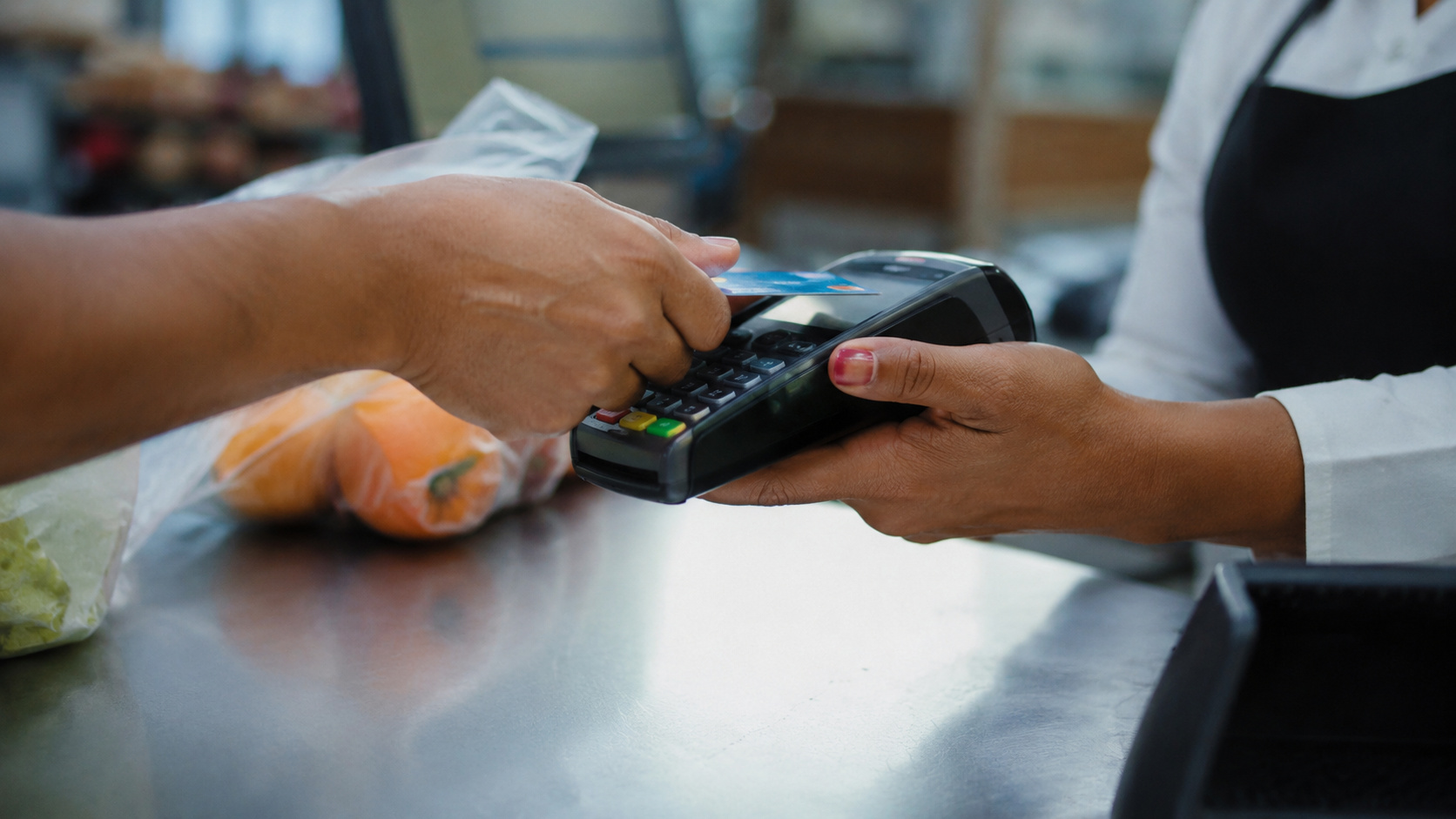
The opening of the payment system changes how meal vouchers and food vouchers will be accepted in restaurants, supermarkets, and food networks
An important change in the meal voucher and food voucher system began this Monday, May 11, 2026, with the opening of the so-called payment arrangement. The measure is part of the new rules of the Worker’s Food Program, regulated by decree in November 2025, and prepares the sector for a broader integration between cards, brands, and card machines. The Ministry of Labor and Employment predicts that, by November 2026, any program card will work on any card machine in the country. This process is expected to impact over 22 million workers and expand freedom of choice in food purchases.
System opening changes the current logic of the benefit
Today, the PAT model operates with a closed structure, where the same company usually concentrates almost the entire operation. It issues the card, accredits establishments, defines accepted card machines, and participates in payment settlement. This dynamic creates isolated networks and limits the use of the benefit to locations integrated with each operator. With the opening of the arrangement, this logic changes because different companies will be able to operate in separate stages, such as card issuance, payment capture, transaction processing, and financial transfer to the establishment.
Interoperability is expected to expand card acceptance
The interoperability planned for November 2026 depends on this system opening. Without this change, each network would remain closed, preventing communication between different cards and card machines. With the new model, companies will operate under more integrated standards, allowing workers to use meal vouchers or food vouchers in more establishments, regardless of the brand or network used. According to Ademar Bandeira, CFO of Flash, the change should give beneficiaries more autonomy and reduce dependence on specific networks.
-
Survivor of 1966 SS Daniel J. Morrell Shipwreck in Lake Huron Recounts 38-Hour Ordeal in Extreme Cold

-
The Greatest Hoax in World Cup History? The Film That Denied Brazil’s 1958 Victory and Exposed How Fake Evidence Can Seem Convincing on TV
-
Fake South Korean Online Stores Offer Shopping Thrill Without Spending Money or Receiving Products
-
The War of Jenkins’ Ear: How a Severed Ear Sparked One of the 18th Century’s Most Unusual Conflicts


Change will be more felt outside major centers
The new rule tends to have a greater impact in smaller cities and regions outside major urban centers. In these locations, the limitation of accredited establishments has always affected meal voucher and food voucher users. With expanded acceptance, workers will be able to choose where to buy food based on their own routine, and not just on the available network. The trend, according to Bandeira, is that the user experience will become more compatible with the different profiles of workers in Brazil.
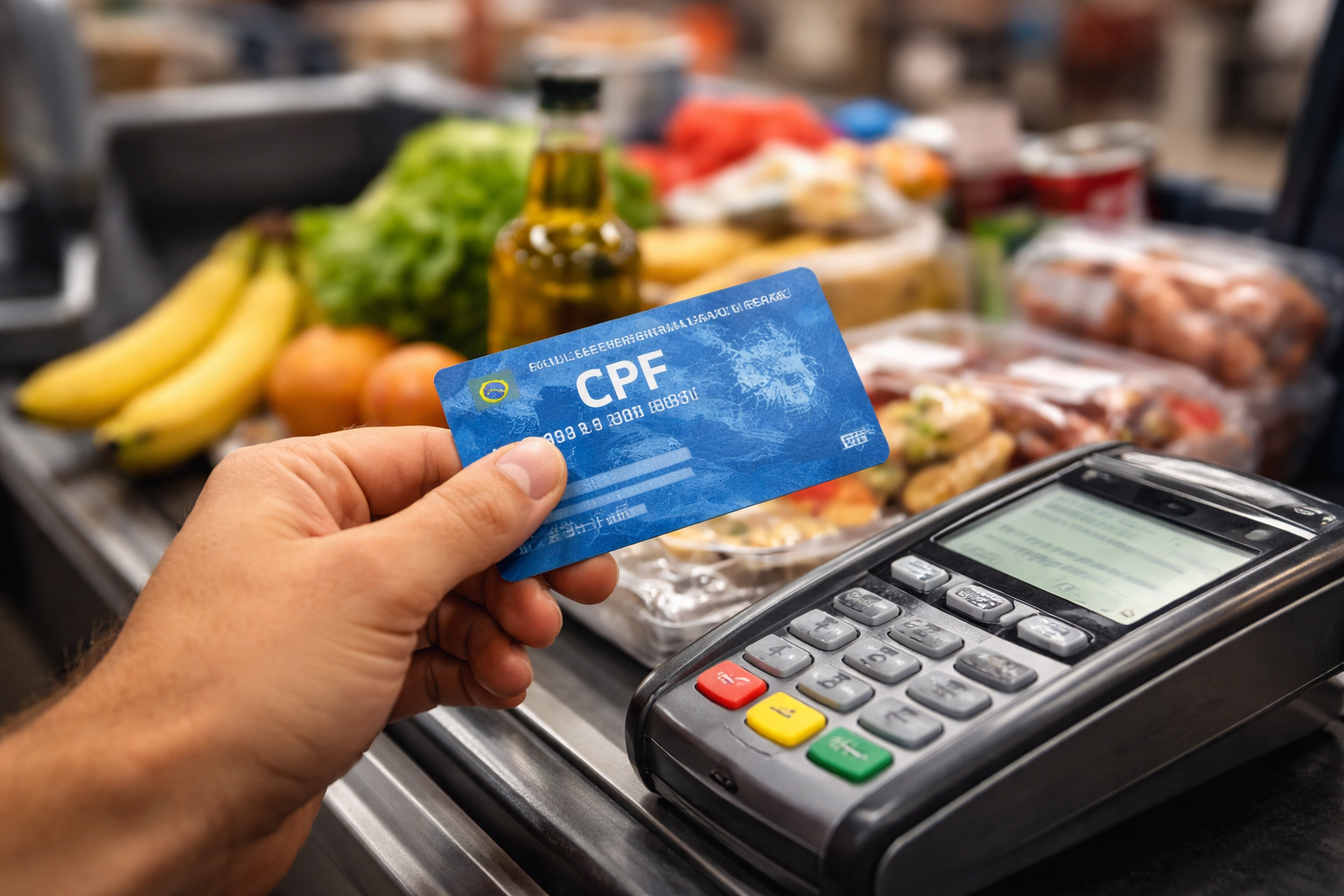
New rules reduce fees and transfer deadlines
The PAT changes have also already altered charges made by operators. The fee charged to supermarkets and restaurants cannot exceed 3.6%, while the interchange fee will have a ceiling of 2%, with no additional charge. The financial transfer period to establishments also dropped from 30 to 15 calendar days after the transaction. For the federal government, these measures increase competition, reduce costs, and make the system more efficient for workers, businesses, and commercial establishments.
Use remains restricted to food purchases
The decree maintained the rule that limits the use of cards to food purchases. Therefore, the benefit money cannot be used in gyms, pharmacies, health plans, courses, or services unrelated to food. Abusive commercial practices were also prohibited, such as discounts, indirect benefits, financial advantages unrelated to food, and deadlines incompatible with prepaid transfers. The change, therefore, expands the acceptance of the benefit without altering its main purpose .
The new scenario for meal vouchers in Brazil
The opening of payment arrangements represents a significant reorganization in the food benefits market. The closed model, previously concentrated in a few networks, is beginning to give way to a shared structure among different companies. This transition should prepare the system for full interoperability by November 2026 and modify the routine of millions of workers. At the same time, restaurants, supermarkets, and other establishments are adapting to new rules regarding fees, transfers, and system participation.
The future of food card acceptance
Workers, companies, and commercial establishments await the full integration scheduled for November 2026. The promise is that meal vouchers and food vouchers will function more broadly, with fewer barriers between cards, brands, and card machines. The change still depends on the full implementation of the open system, but it already redefines the path of PAT in the country.





Be the first to react!