






 Portuguese
  Spanish


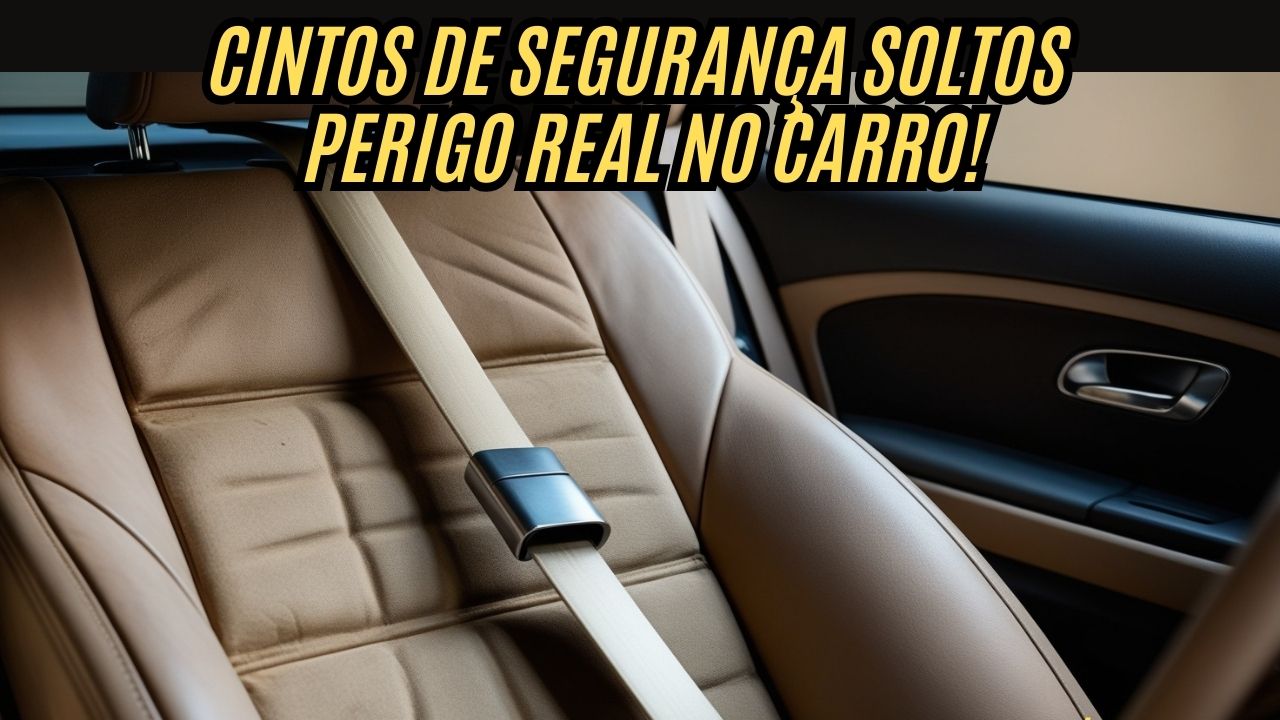

Did You Know That Keeping The Rear Seat Belts Fastened, Even When There Is No One In The Back Seat, Can Make All The Difference In An Accident? This Practice Is Much More Than A Recommendation: It Is A Crucial Measure To Protect All Occupants Of The Car And Ensure The Structural Integrity Of The Vehicle During Collisions.
The Pan American Health Organization reinforces that the proper use of seat belts is part of passive safety measures, a set of systems designed to reduce damage in accidents. Even without passengers, the rear seat belt fastened helps distribute the forces of impact, preventing the vehicle from losing its ability to protect those inside.
Impressive data illustrates the severity of the situation: annually, 1.35 million road deaths occur worldwide. In collisions, the fastening of seat belts allows the car to better dissipate the impact energy, reducing risks for those in the front seats and decreasing the chance of serious injuries.
The “Elephant Effect” And Its Impact On Occupants
The Directorate General of Traffic in Spain warns about the “elephant effect”: in a collision at 60 km/h, the weight of a person or loose object inside the vehicle can generate a force of up to 4.2 tons against the front seats. Imagine the damage that a simple unadjusted belt or loose luggage can cause!
-
2027 Toyota Corolla Cross Unveiled: New Design, Enhanced Fuel Efficiency, Reduced Maintenance Costs, Advanced Technology, Connected Services, and Up to 10-Year Warranty

-
Fiat Cronos Precision 2018: Affordable Sedan with Spacious Trunk and Reliable Maintenance
-
Volkswagen to Cut Production by 1 Million Cars by 2030, Reducing Jobs and Platforms, Focusing on More Profitable Models

-
Toyota Launches First 100% Electric Car in Brazil: bZ4X with 343 HP, All-Wheel Drive, 361 km Range, Priced at $419,990 BRL, Limited to 99 Units



Keeping the rear seat belts fastened, even without occupants, helps to prevent the displacement of objects inside the car and reinforces the design of safety intended to absorb impacts efficiently.
More Safety For Everyone
Experts emphasize: the practice of fastening seat belts is not just to protect those in the back seat, but to ensure the stability of the entire vehicle. In sudden braking or accidents, this simple precaution significantly improves the effectiveness of the car’s safety systems, reducing risks for all passengers.
So, the next time you get into your car, remember: the rear seat belts should always be buckled, with or without passengers. This action can save lives and is part of a more conscious and safer driving.








