






 Portuguese
  Spanish
  3 min of reading
  0 comments


Historical Decision In The US Holds Israeli Company Accountable For Invading WhatsApp Systems, Marking A Victory For Meta In The Fight Against Illegal User Surveillance.
WhatsApp took an important step in protecting digital privacy with a court decision that holds the Israeli company NSO Group accountable for invading the app’s systems. Judge Phyllis Hamilton from the Northern District of California found NSO guilty of using the Pegasus spyware for espionage on WhatsApp. This decision, issued in a lawsuit that has been ongoing since 2019, represents a victory for Meta, the parent company of WhatsApp, against illegal user surveillance and paves the way for the definition of compensations.
How Did Espionage Work On WhatsApp?
The case revealed by Meta indicates that NSO Group exploited a vulnerability in WhatsApp to infect around 1,400 devices with Pegasus, a highly sophisticated spyware. This program was used for illegal surveillance of journalists, human rights activists, and political leaders. Pegasus has the ability to capture messages, photos, and calls, even on encrypted platforms like WhatsApp and Signal.
NSO argued that the Pegasus was sold exclusively to governments and used in investigations against serious crimes, such as terrorism. However, the judge rejected this defense, stating that the use of the software for undue espionage violates American laws, including the Computer Fraud and Abuse Act and the California Comprehensive Computer Data Access and Fraud Act.
-
An African fish is terraforming lakes by altering sediments, increasing turbidity, and changing the food chain: the silent advance of the tilapia Oreochromis niloticus

-
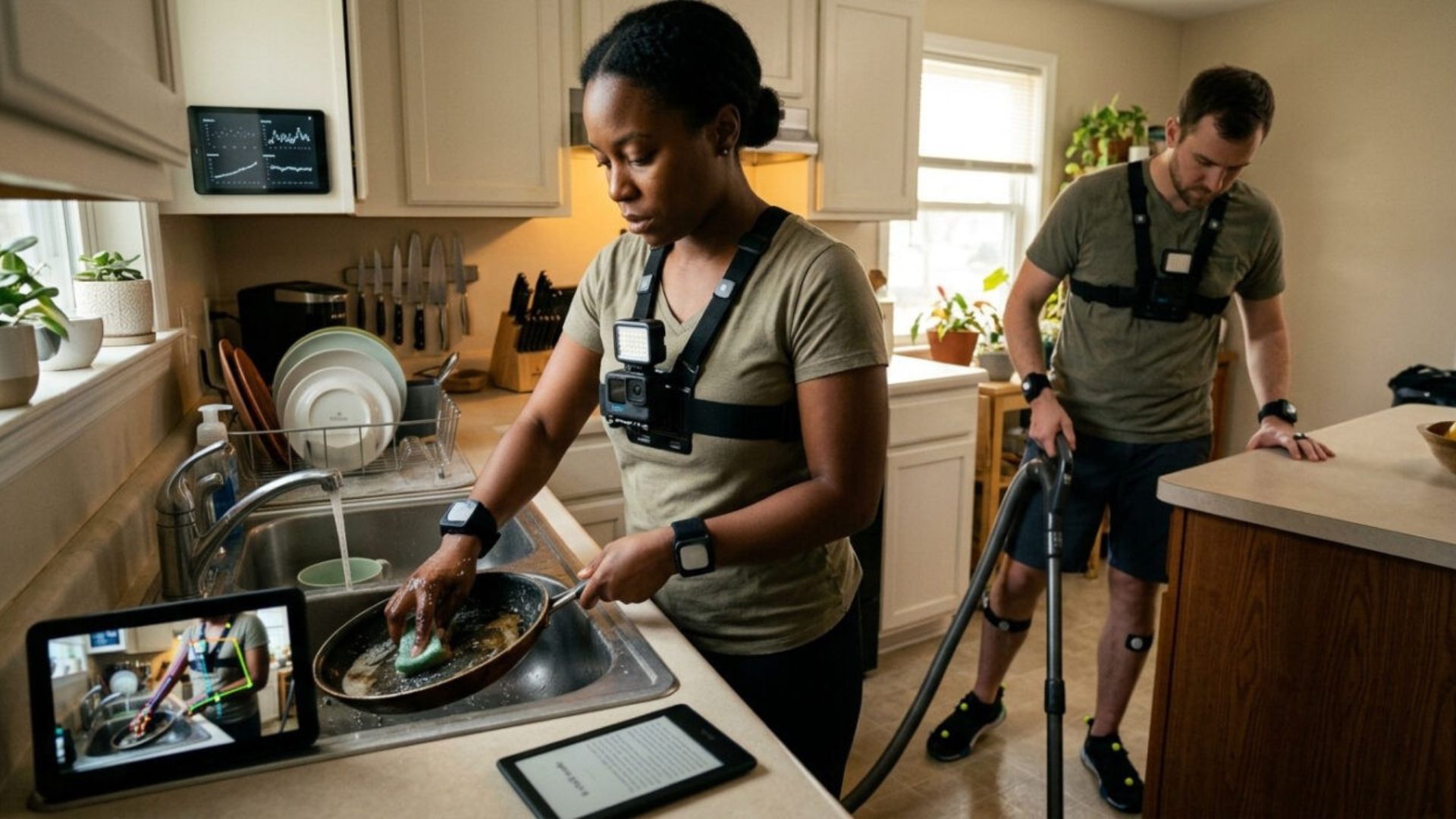
In the USA, thousands of people are being paid to wash dishes and clean the house with body cameras, every movement turning into data to train robots to imitate humans, in a new “digital gig” that could redefine the future of domestic work.

-
At 22 years old, a young person from Recife creates an artificial intelligence startup with a team barely over 25, serves giants like Bayer and Ipiranga, earns millions without taking a cent from investors, and transforms a young company into a national AI phenomenon.
-
The invisible danger inside the house: plugging too many devices into the same outlet and spreading extensions throughout the rooms can overload the electrical network, silently heat wires, and turn a common habit into one of the leading causes of house fires.




A Legal Milestone For Digital Privacy
The US court’s decision establishes a crucial precedent for technology companies that develop surveillance tools. Experts point out that the verdict may discourage investment in espionage technologies. According to John Scott-Railton, a researcher at Citizen Lab, “the entire industry has hidden behind the claim that it is not their responsibility what their clients do with their invasion tools. Today’s decision makes it clear that NSO Group is, in fact, responsible for violating several laws.”
WhatsApp’s head, Will Cathcart, celebrated the decision on social media, stating that “this is a victory for privacy. Spyware companies cannot hide behind immunity to evade responsibility for illegal actions.” Furthermore, Cathcart emphasized the need to protect users against invasive technologies that compromise digital security.
The Global Impact Of Pegasus
Pegasus has been involved in several international scandals. An investigation in 2021 revealed that the spyware was used against more than 50,000 potential targets, including world leaders such as French President Emmanuel Macron. These revelations led the US to impose sanctions on NSO Group, which now faces greater global scrutiny.
With the court decision, Meta seeks to reinforce its commitment to user privacy, an increasingly relevant issue in a widely connected digital world.
What Does This Decision Mean For The Future?
The verdict against NSO Group not only holds the company accountable but also signals a shift in how the Justice Department deals with surveillance technologies. Experts believe this could open doors for stricter regulations and greater protection of digital rights.
The advancement of the case also positions WhatsApp as an example of resistance against illegal espionage practices. For users, this is a clear demonstration that digital privacy is a priority and that technology companies are willing to fight for it.
The US court’s decision against NSO Group represents a historic victory for WhatsApp, for Meta, and for all who value security and privacy in the digital world. With the case now moving into the compensation phase, the consequences could be profound for both the surveillance industry and the laws protecting digital rights.
The fight against espionage on WhatsApp is still far from over, but this is proof that the fight against illegal surveillance can yield concrete results. For users, the message is clear: privacy is a right that must be firmly defended.





Be the first to react!