Portuguese
  Spanish


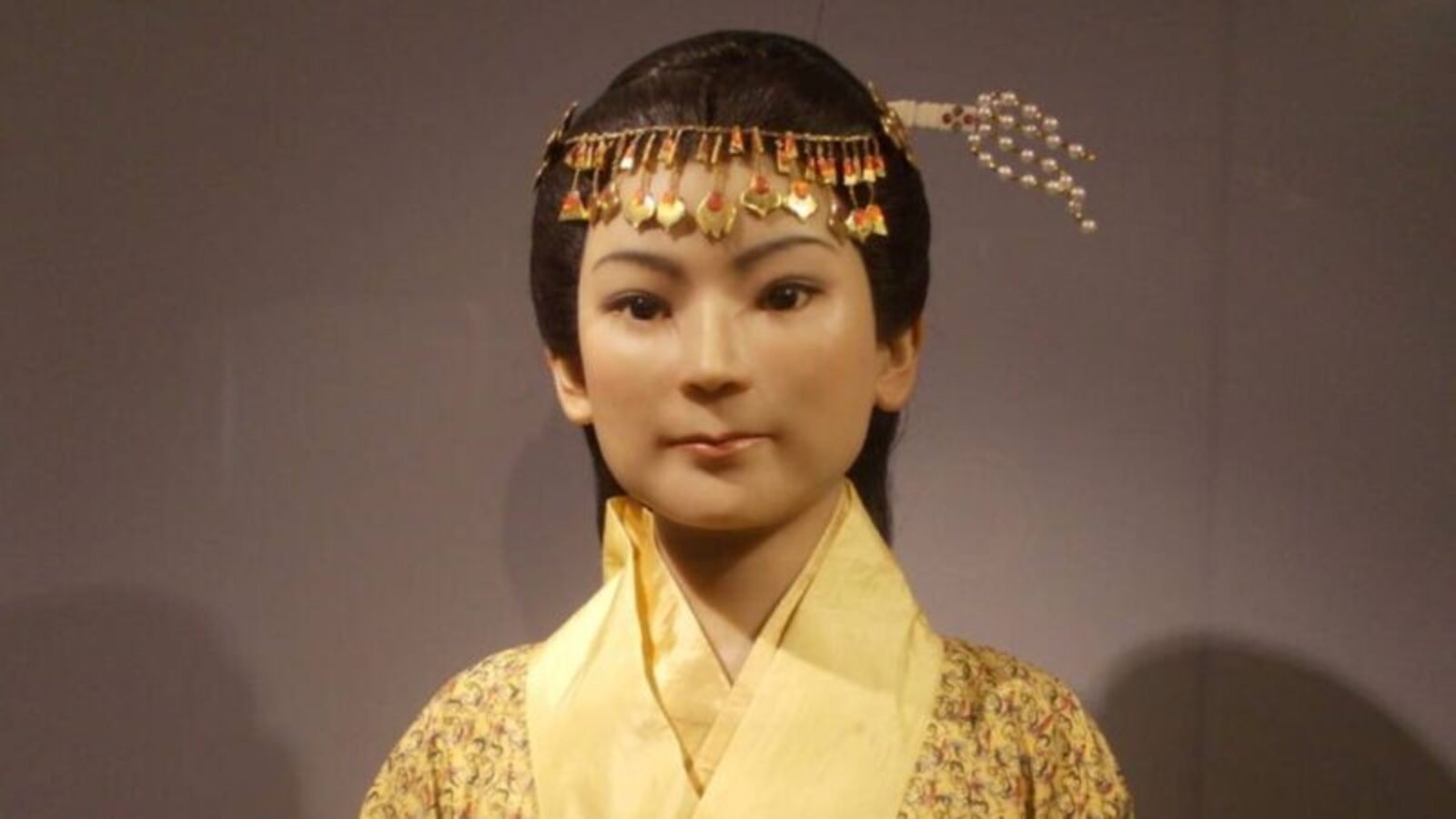


Discovered in 1971 during construction in Changsha, Lady Dai preserved elastic skin, hair, organs, and type A blood, revealing rare medical details about her death and the funerary engineering of the Han dynasty in ancient China
The mummy of Xin Zhui, found in 1971 in Changsha, surprised archaeologists with its soft skin, movable joints, preserved organs, and type A blood, becoming one of the rarest cases in world archaeology.


Discovered in a Han Dynasty tomb
The discovery occurred when workers digging an air-raid shelter found a monumental tomb linked to the Han dynasty period, between 206 BC and 220 AD.
Inside the funerary complex were over a thousand artifacts, including luxury utensils, cosmetics, lacquerware, and wooden figurines made to represent servants in the afterlife.
-
Berries, Strawberries, and Blueberries Could Transform Agriculture in Northeastern Brazil, New Tests Reveal

-
Danish Resident Discovers Six Viking Gold Bracelets Weighing 762.5 Grams, Third Largest Gold Treasure in Denmark

-
Over 200 Cities in Southern Brazil on Storm Alert as Cyclone Near Uruguay Brings Heavy Rain, Hail, and Winds Up to 100 km/h

-
Archaeologists Discover 2,300-Year-Old Beer in Sealed Bronze Vessel from Ancient Chinese Tomb




The richness of the tomb drew attention, but the body of the noblewoman, known as Lady Dai, became the most impressive point of the excavation.
Mummy of Xin Zhui surprised by its preservation
Unlike traditional mummies, which are dry and fragile, Xin Zhui maintained soft skin to the touch, with elasticity similar to that of a recent corpse.
Hair, eyelashes, and eyebrows remained intact. The joints could still move, and the internal organs were preserved, a condition considered rare in such an ancient body.
During the autopsy, scientists found type A blood still present in the veins. This detail allowed for detailed medical examinations, something uncommon in bodies preserved for so long.
Examinations revealed how Lady Dai lived and died
Analyses revealed that Xin Zhui died around 163 BC, likely a victim of a heart attack.
The examinations also identified high cholesterol, hypertension, liver problems, and obesity, signs associated with a life marked by excesses.
Another detail caught the researchers’ attention: about 138 melon seeds were found in Xin Zhui’s stomach.
As this food takes approximately an hour to digest, the conclusion was that she had eaten the fruit shortly before dying.
Tomb had complex funerary engineering
The preservation of the mummy of Xin Zhui was directly linked to the tomb’s structure, built at great depth and isolated from the external environment.
The body was placed in four wooden coffins nested one inside the other, in a structure compared to Russian dolls.
Xin Zhui was also wrapped in about 20 layers of silk and deposited in a mysterious liquid, slightly acidic and with traces of magnesium.
The complete composition of this liquid is not yet fully understood, but it appears to be one of the central factors for the unusual state of the body.
Sealing prevented bacterial action
The funerary chamber was carefully sealed to prevent air and water from entering, creating a practically airtight environment.
Layers of charcoal absorbed moisture, while compact clay blocked contact with the exterior and strongly slowed down decomposition.
This balance remained preserved for over two thousand years, until the opening of the tomb brought the body into contact with oxygen.
From that moment, the exceptional state began to deteriorate, showing how the preservation depended on the protection created within the chamber.
Mummy’s body remains under care at the Hunan Provincial Museum
Today, Lady Dai is under care at the Hunan Provincial Museum, where she continues to be studied as a unique case for science.
More than a curious discovery, the mummy of Xin Zhui offers a rare portrait of life, death, and funerary practices in ancient China.
With information from Aventuras na História.