






 Portuguese
  Spanish


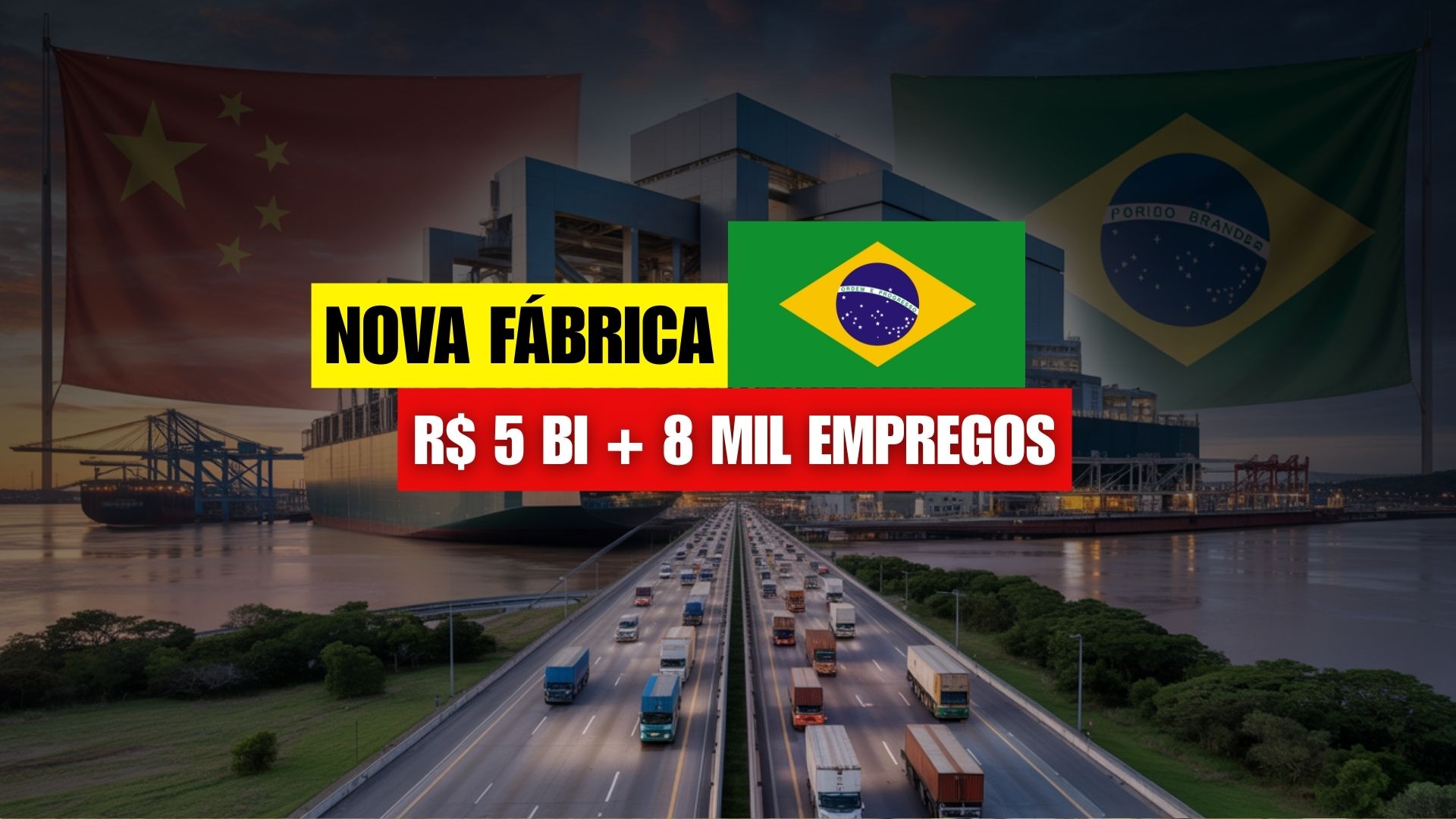


The City of Rio Grande, in Southern Brazil, is Competing for the Installation of a Billion-Dollar Factory from GWM, a Chinese Automaker that is Evaluating Strategic Areas in the Country and Analyzing Local Infrastructure to Determine the Destination of Its Next Investment.
Great Wall Motor (GWM) is Considering Installing Its Second Factory in Brazil and has Placed the Municipality of Rio Grande, in Southern Rio Grande do Sul, Among the Options.
Company Representatives Made a Technical Visit to the City, Analyzed an Area of 230 Hectares in the Industrial District, and Requested Additional Information from the City Hall.
While the Municipal Administration Awaits the Response from the Automaker, Local Leaders Point Out that the Duplication of Lot 4 of BR-392 Remains a Logistical Barrier to Attract Investments of This Nature.
-
Brazilian Startup Turns Coffee Grounds into Plant-Based Leather, Cutting Water Use by Over 50 Times for High-Impact Sustainable Fashion

-
Eco Invest Auction Aims to Unlock $10 Billion in Investments, Focusing on Green Fertilizers, Critical Minerals, Batteries, and AI for Clean Industry in Brazil

-
Half of Brazilians Prefer Lower Taxes with Private Health and Education, While 44% Opt for Higher Taxes for State-Provided Services, Datafolha Survey Reveals

-
Brazil’s Most Expensive Toll Rises to R$ 40.60 on Route from São Paulo to the Coast, Nearly Matching Bus Fare to Santos



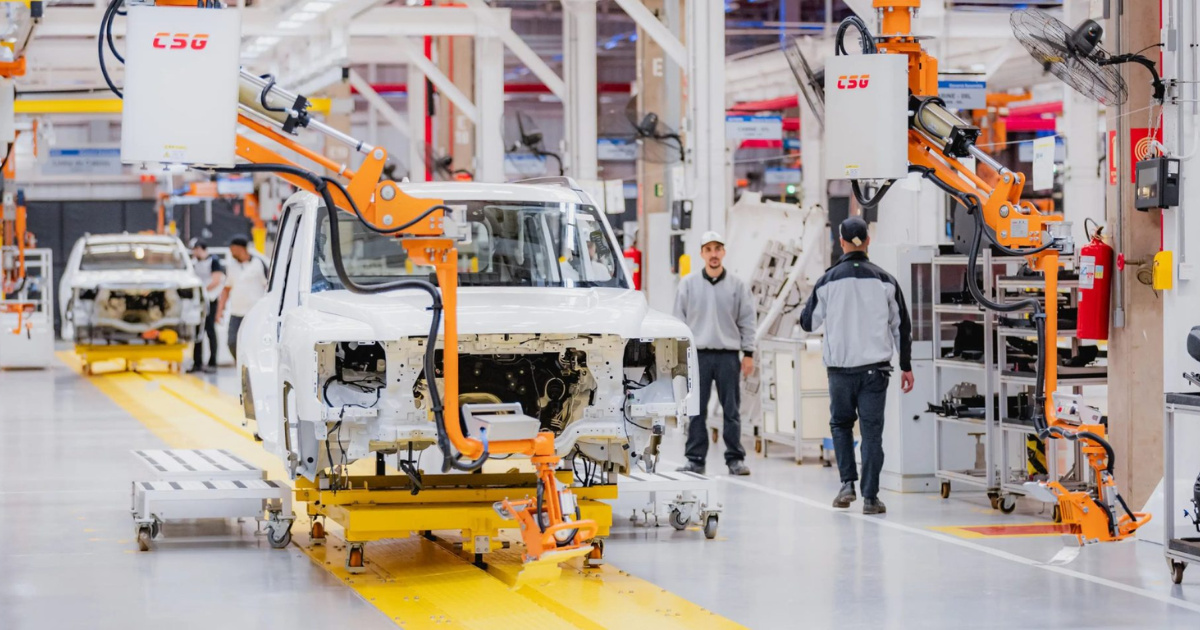
Technical Visit and Area Under Analysis
In a Recent Interview, Mayor Darlene Pereira (PT) Reported that the GWM Delegation Requested Data on Infrastructure, Workforce Profile, and Availability of Industrial Land.
The Material, According to Her, has Already Been Delivered.
The Area Examined is Located in the Industrial District of Rio Grande, Near the Port and with Availability of Essential Services for Large Plants.
The City Hall Maintains Expectations for a Formal Response from the Automaker After the Comparative Evaluation Stage Among Cities.
During the Interview, the Mayor Mentioned that Other Companies Have Inquired About the Municipality.
According to Darlene, BYD and Tramontina Are Among the Companies that Have Shown Preliminary Interest.
The Municipal Administration Claims that the Combined Factors — Availability of Space, Worker Qualification, and Proximity to the Maritime Terminal — Support the City’s Candidacy.
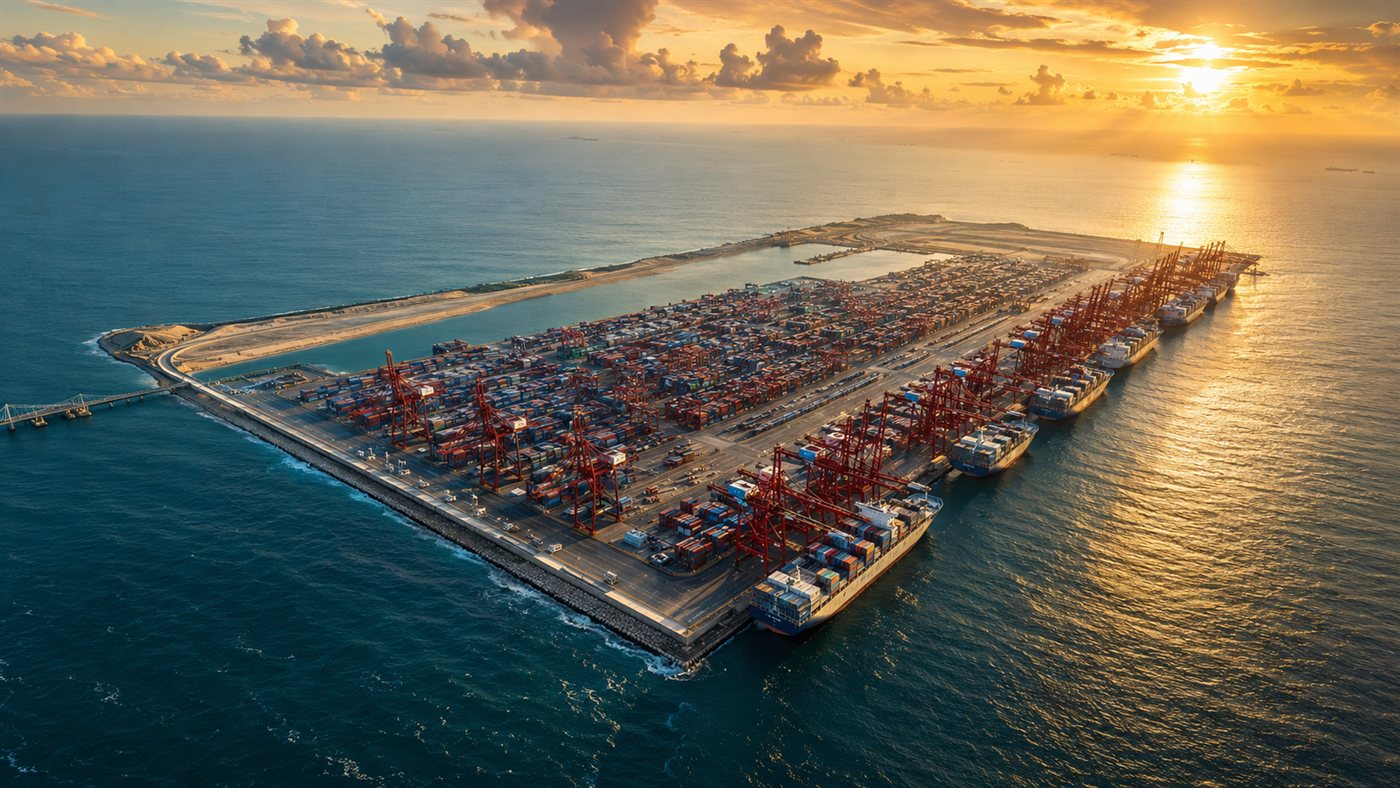
Port of Rio Grande as Logistical Differential
The Port of Rio Grande is Identified by Authorities and Businesspeople as the Main Local Asset in the Competition for an Automotive Plant.
The Maritime Connection Shortens the Path for Importing Components and Exporting Vehicles, Reducing Logistical Costs and Transit Time.
In Addition to Access via Waterways and Highways, the Port Complex Handles Large Cargo and Operates with Depth Suitable for Ocean-Going Ships, Which Increases Competitiveness for Integrated Industrial Chains.
The National Context of GWM: São Paulo Factory Already Inaugurated
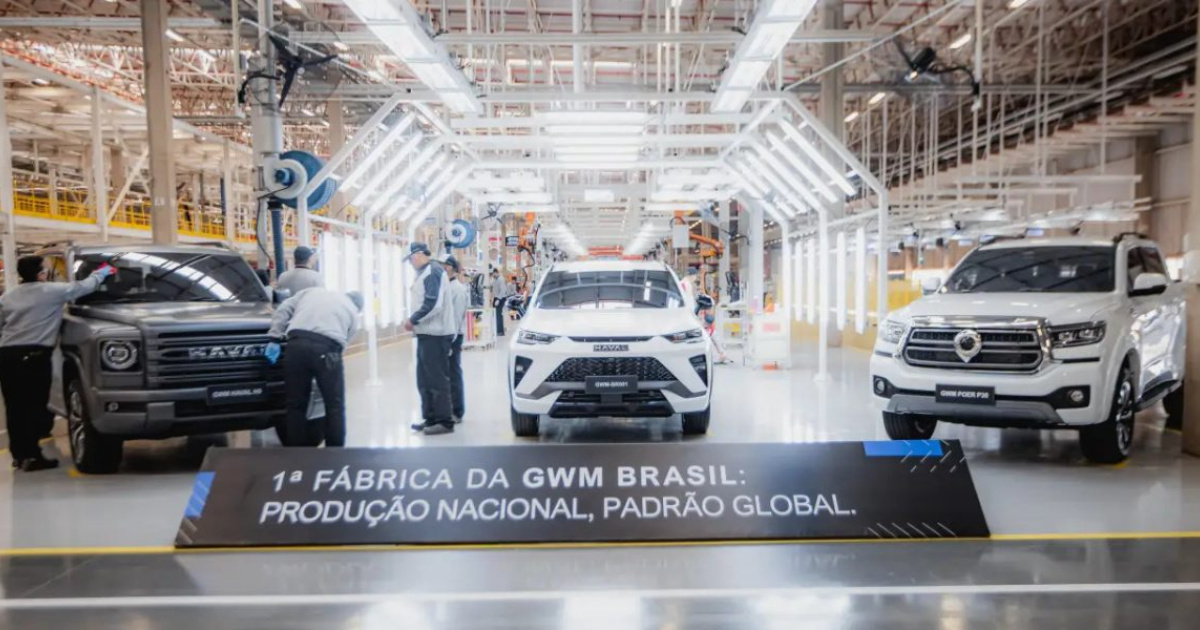
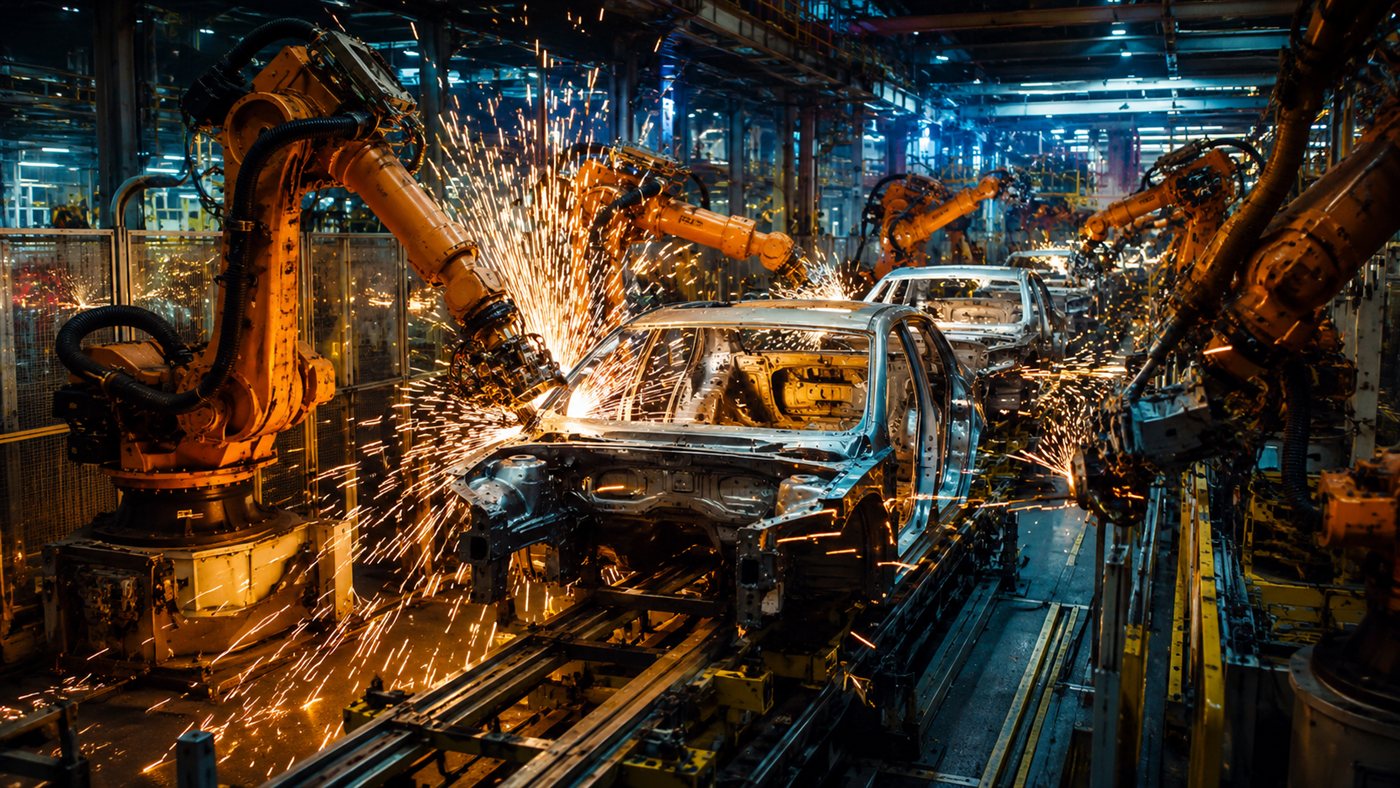
While Considering the Second Unit, GWM Inaugurated on August 15, 2025 the Factory in Iracemápolis (SP), Located in the Former Mercedes-Benz Plant.
The Operation Begins with the Hybrid SUV Haval H6, the Pickup Poer P30, and the SUV Haval H9.
The Company Declared an Investment Plan of R$ 10 Billion in Brazil by 2032, Focusing on Research, Development, and Progressive Nationalization of Components.
The Announced Capacity Follows the Model of Industrial Ramp-Up: Initial Capacity of 30,000 Vehicles per Year, with a Target of 50,000/Year in the Short to Medium Term, Depending on Supplier Development and Assembly Lines.
The Opening of the First Factory in the Country Reinforces GWM’s Interest in Expanding Its Local Presence and Provides Context for the Analysis of a Second Plant with a Complementary Product Profile.
Jobs and Production Chain: What is at Stake
On the Local Level, Estimates Mentioned by Regional Leaders Suggest a Potential for Generating Up to 8,000 Jobs, Including Direct, Indirect, and Induced Jobs Along the Automotive and Service Chains.
This Projection Considers Everything from Final Assembly to Inputs, Logistics, Maintenance, and Food Services, as Well as Effects on Commerce and Construction.
Municipal Authorities Add that the Industrial District Has Energy, Water, Access Routes, and Port Back Areas, Elements that Usually Accelerate Implementation Timelines.
The City Hall Maintains that the Port’s Role Facilitates the Arrival of Inputs and the Departure of Finished Products.
“Rio Grande is an Open City for Investments,” has been Reiterated by the Economic Development Secretariat, Emphasizing that New Operations Could Strengthen Revenue and the Base of Local Suppliers.
Bottlenecks on BR-392 and Priority Works
The Competition, However, is Not Decided Only by Incentives and Land.
The Duplication of Lot 4 of BR-392, the Stretch that Provides Access to the Port, Has Come Back to the Center of Debate.
The Segment is Pointed Out as a “Bottleneck” Due to the Frequency of Traffic Congestion and Accident Risks.
For the Vice President of Infrastructure at Federasul, Antônio Carlos Bacchieri, Restoring Regional Competitiveness Involves Structural Works.
“When Thinking About Developing Rio Grande and the Southern Zone, We Need Infrastructure. Thus, Lot 4, as Well as the Bridge Between Rio Grande and São José do Norte and the Second Bridge on the São Gonçalo Canal, are Priority Works and They Should Be on the Radar of Any Government that Wishes to Develop Our Region,” He Affirms.
The Executive Project for the Duplication of Lot 4 has been Included in the New PAC by the Federal Government.
The Technical Detailing Stage is Seen as a Requirement for Contracting and Starting the Works.
Local Leaders Advocate for Expedited Execution, Arguing that Improving Road Access to the Port is Decisive for Unlocking New Private Investments.
Competition Between States and Next Steps
Besides Rio Grande, Other States Are Being Considered to Host the Second Plant.
Santa Catarina and Paraná Have Emerged in Preliminary Discussions Due to Factors Such as Availability of Areas, Supplier Networks, and State Support Policies.
GWM, in Turn, Indicated that the Decision on the Second Factory Will Be Made Only From Mid-2026, After the Consolidation of Operations in Iracemápolis and the Comparative Analysis of Costs, Logistics, and Market.
Until Then, the Gaucho Municipality is Banking on Its Package of Advantages: an Industrial District with Ample Land, a Deep-Water Port, Labor with Experience in Industrial Operations, and a Growing Ecosystem of Logistics and Services.
The Local Government Also Highlights Confirmed Projects in the First Semesters in the City, in Sectors Such as Food and Agribusiness, as Evidence that the Business Environment is Active.
What May Become Tiebreaker Criteria
In Disputes of This Nature, Companies Typically Compare Licensing Timelines, Available Infrastructure, State and Municipal Incentives, and Regulatory Predictability.
In the Case of Rio Grande, Private Sector Interlocutors Assess that the Solution for Lot 4 of BR-392 May Weigh Heavily on the Timeline and Simulations of Logistical Costs.
The Proximity to the Port is a Differential, but it Depends on Fluid Road Access to Function Fully.
Also Considered are the Availability of Local Suppliers, the Possibility of Technical Training in Partnership with Educational Institutions, and the Existence of Housing and Services to Absorb Labor on a Large Scale.
The City Hall Claims to Have Mapped These Assets and Responded to GWM with Data on Service Capacity, Besides Keeping Channels Open for New Technical Due Diligences.





Pode instalar em São josé dos campos
Se fosse governada pelo pl já tinha desaparecido do mapa, Bolsonaro nem motociata ia fazer lá, quanto mais duplicar a Br…
a cidade é ótima mas é uma pena ser governada por esse lixo de PT….
Qual lixo seria melhor?CV,PCC,C bolaonaro,PT?