






 Portuguese
  Spanish


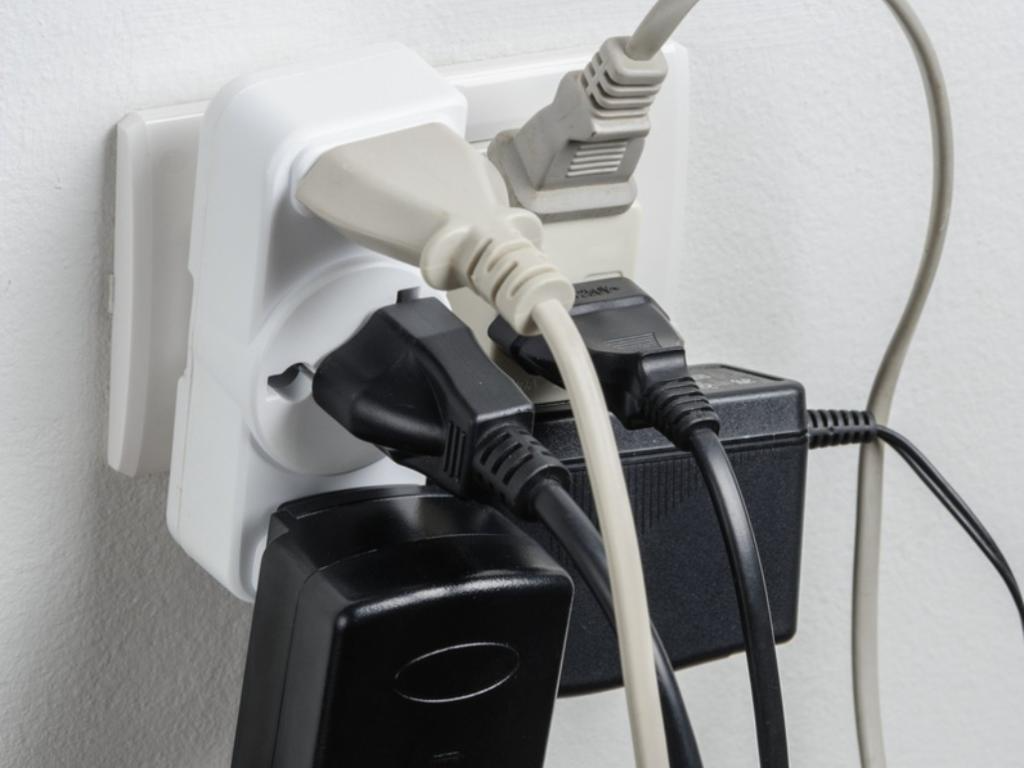


Know The Dangers Of Using “T” Adapters, Which Can Overload The Circuit And Damage Connected Appliances
Connecting multiple appliances to a single outlet using “T” adapters or extensions is a risk that can cause serious problems.
The main danger is electrical overload, which can result in short circuits and even fires. Although it is a common practice, the inadequate connection of devices can impair their operation and compromise the safety of the home or business.
The Risk Of Increased Power At The Outlet With Multiple Appliances
The outlet has a limit of electrical load it can support. By connecting multiple appliances at the same power point, the consumed power increases significantly. This can overload the electrical wiring and cause a short circuit, which, in turn, can start a fire.
-
China Develops Custom 140-Ton Electric Mining Truck with 770 kWh Swappable Battery, Deploys 290 Units in Xinjiang’s Largest Zinc Mine

-
Meta to Launch Arena, a New Prediction App Targeting 3.56 Billion Users, Competing with Polymarket and Kalshi

-
Scientist Challenges Famous Human Evolution Theory, Argues Homo Sapiens Evolved Gradually Over Thousands of Years
-
15-Year-Old American Builds Ocean Generator with PVC Pipe and 3D-Printed Propeller for $12, Wins National Prize, Presents at White House, and Makes Forbes 30 Under 30 List




Appliances such as refrigerators, microwaves, and stoves require high energy consumption. Therefore, they should never be plugged into the same electrical point using adapters or “benjamins.” This practice can not only damage the appliances but also put the lives of residents at risk.
Two Appliances In The Same Outlet: Can Or Cannot?
The recommendation is clear: never connect two appliances to the same outlet. Ideally, each appliance should have its own power point. This avoids overloads in the electrical network and reduces the chances of accidents.
Additionally, it is essential to check if the voltage of the outlet is compatible with that required by the equipment. A mistake in this regard can compromise the performance of the device and even cause it to burn out.
Electric Accidents In Brazil
In 2023, Brazil recorded 2,089 electric accidents, including shocks, fires, and lightning strikes. This number represents an increase of 261 occurrences compared to 2022, when 1,828 cases were recorded.
Among the accidents registered in the past year, 781 resulted in deaths. The data is part of the latest Statistical Yearbook of Electric Origin Accidents, prepared by the Brazilian Association for the Awareness of Electric Hazards (Abracopel).
This shows that electrical overload is not an isolated problem. Small oversights, such as the improper use of extensions and “Ts,” can have serious consequences. If there are any doubts about the electrical installation, it is safest to seek a qualified professional.
Other Problems Caused By Excessive Use Of “T”
In addition to the risk of fire, connecting multiple devices to the same outlet can cause other problems, such as:
- Electrical shocks;
- Burnout of appliances;
- Frequent power outages;
- Tripping of the circuit breaker.
Electrical overload can be noticed in daily life. A classic example is when two electric showers connected at the same time cause a power outage. This occurs because the required load is greater than what the network can support.
If there are signs of overload, such as heating of wires or frequent tripping of the circuit breaker, it is time to evaluate the electrical network of the house.
Old Houses And The Lack Of Outlets
Many old houses have few available outlets. This is because, in the past, the number of appliances in a household was much lower. To address this shortage, many people end up resorting to the use of “Ts” and extensions.
However, this solution can be dangerous. The ideal is to modernize the electrical network, ensuring an adequate number of outlets for the current demand of appliances. If necessary, an electrician can evaluate and recommend the best solution for each case.
How To Avoid Electric Accidents?
The safest way to avoid accidents is simple: one appliance per outlet. Each appliance should have its own power point, avoiding the sharing of outlets and reducing risks.
Additionally, some precautions help to maintain the safety of the electrical network:
- Do not use “T” adapters to connect high-consumption devices;
- Check the voltage of the outlet before connecting an appliance;
- Avoid extensions on equipment that consume a lot of energy;
- Perform regular reviews of the electrical installation.
Maintaining electrical safety is essential to avoid problems such as fires and appliance failures. Small changes in habits can prevent serious accidents and ensure a safer environment for all.






