






 Portuguese
  Spanish


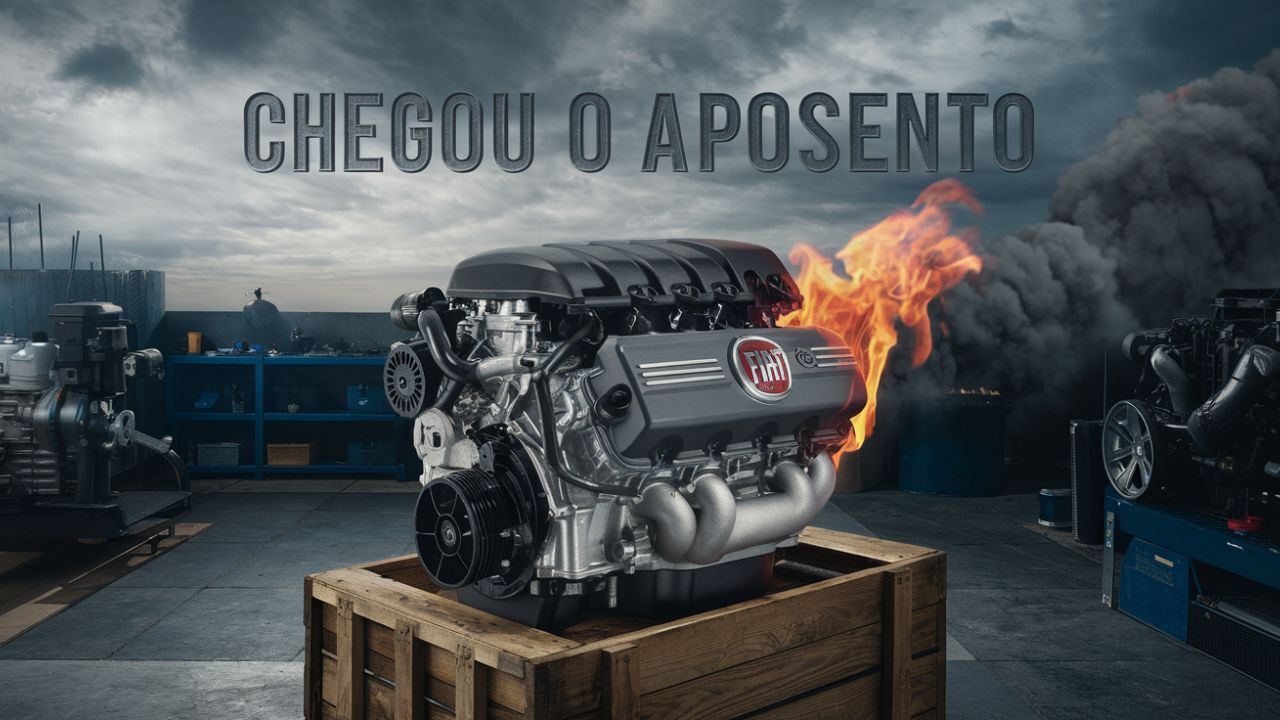


Developed With Pioneering Technology In The 1980s, Fiat’s Fire Engine Was A Synonym For Innovation, Efficiency And Durability, Equipping Iconic Models Like Uno, Palio And Siena For Four Decades.
If you are passionate about cars, you have likely heard of Fiat’s Fire engine. For 40 years, it was a true icon, present in vehicles that made history in Brazil. But did you know that this engine, which is now saying goodbye, was once considered the most modern in the world? Let’s dive into this fascinating story that the 4Rodas portal has revisited.
The Revolutionary Origin Of The Fire Engine
In the 1980s, Fiat surprised the world by launching the first engine designed on computers. That’s right, the Fire (Fully Integrated Robotised Engine) was a milestone in the industry, combining technological innovation with automated production. It was lightweight, efficient, and designed to be robust.
With a little help from PSA Peugeot Citroën, Fiat managed to enhance the engineering of this engine, creating solutions that would only be adopted by other brands years later. It debuted in the small Autobianchi Y10 in 1985, and since then, the Fire has never stopped evolving.
-
2027 Toyota Corolla Cross Unveiled: New Design, Enhanced Fuel Efficiency, Reduced Maintenance Costs, Advanced Technology, Connected Services, and Up to 10-Year Warranty

-
Fiat Cronos Precision 2018: Affordable Sedan with Spacious Trunk and Reliable Maintenance
-
Volkswagen to Cut Production by 1 Million Cars by 2030, Reducing Jobs and Platforms, Focusing on More Profitable Models

-
Toyota Launches First 100% Electric Car in Brazil: bZ4X with 343 HP, All-Wheel Drive, 361 km Range, Priced at $419,990 BRL, Limited to 99 Units



The Arrival In Brazil And The Overwhelming Success

In 2000, the Fire arrived in Brazil, already equipped with electronic fuel injection and electronic throttle in some versions. It came to replace the old Fiasa engines and quickly became synonymous with reliability. The first model equipped was the Palio 1.3 16V, but soon the engine was found in cars like the Uno, Siena, Punto, and even in the Strada.
Here, the Fire won hearts thanks to its simple maintenance and affordable parts. It became clear that Fiat had hit the mark: the engine met the needs of the Brazilian market, which demands efficiency and durability.
Innovations That Kept The Fire Updated
Even as the years went by, the Fire continued to receive enhancements. Among the innovations, we can highlight the introduction of the Multiair cylinder head, which optimized the valve timing. Additionally, the engine became flex-fuel, running on both gasoline and ethanol.
In Brazil, it also gained versions adapted for CNG, such as the Siena Tetrafuel. But despite all of Fiat’s efforts to keep it competitive, the increasing emission standards eventually limited its evolution.
The Legacy Of The Fire Engine In Brazil
The Fire was not just an engine; it helped build the history of models that became icons of Fiat in Brazil. Palio, Uno, Siena, and Doblò are just a few examples of cars that carried this engine under the hood.
Among mechanics and consumers, the Fire has always had an enviable reputation. It was easy to repair, had cheap parts, and few chronic problems. These features made it an ideal choice for the Brazilian market, especially in daily-use vehicles.
Farewell: A Classic That Retires
Unfortunately, no success story lasts forever. With the arrival of Proconve L8, the Fire could not meet the stricter emission standards. Even after updates like the Fire EVO, which reduced emissions and improved efficiency, the engine was no longer keeping pace with current market demands.
Fiat decided to retire the Fire, marking the end of an era that marked automotive history in Brazil. Its legacy, however, remains intact, serving as inspiration for the new engines that are yet to come.









Já tive 3 veículos com essa motorização ,uno e Palio , ótimo manutenção fácil sem problema crônico
Gostei da reportagem. E nas outras montadoras, tem motores historicos tambem?
Motor valente