






 Portuguese
  Spanish


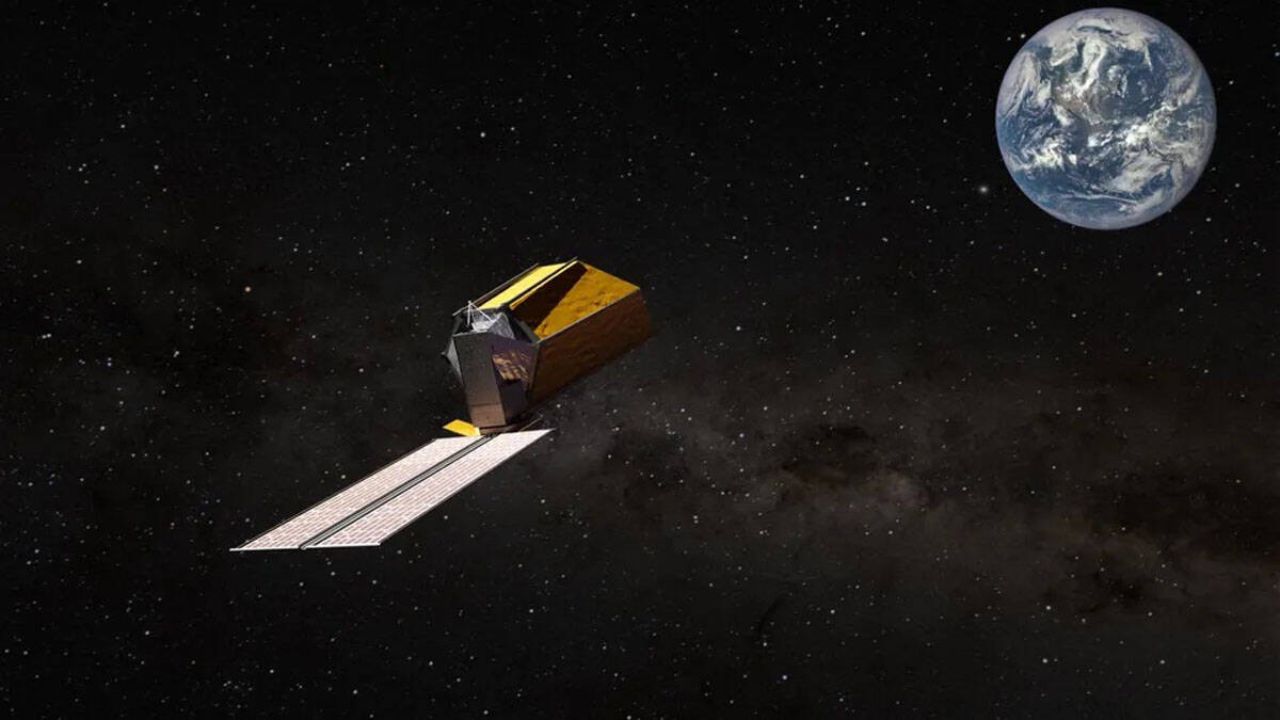

NASA plans the Habitable Worlds Observatory with a structure prepared for repairs and updates in space, possibly done by robots.
NASA intends for the future Habitable Worlds Observatory, known by the acronym HWO, to have a longer lifespan than a conventional space telescope. For this, the agency is already considering the possibility of maintenance outside Earth in the project, with repairs, component replacements, and possible updates during the mission.
The observatory will be developed to study planets outside the Solar System and look for signs of Earth-like environments. As it will be located approximately 1.5 million kilometers from Earth, maintenance should not follow the model used with Hubble, which received visits from astronauts.
The alternative under evaluation involves robotic systems. The solution is not yet defined, as the project is in its initial phase, but the agency already considers the intervention capability as an important part of the telescope’s design.
-
China Launches First Oceanic Medical Rescue Ship with Advanced Facilities to Serve Remote Regions

-
Midea Unveils Portable PortaSplit Air Conditioner: 12,000 BTUs, Quiet Mode, Heating, Dehumidification, App Control, and AI Efficiency Without Professional Installation
-
Singapore Turns Incinerated Waste Ash into Construction “Sand” in Ambitious Project to Revolutionize Megacity Waste Management
-
High School Teen Develops AI to Detect Autism and ADHD Signs from Retinal Patterns with 89% Accuracy


NASA wants to prolong the scientific life of the HWO
The central point of the project is not just to launch a new observatory, but to allow it to remain useful as technology advances. Shawn Domagal-Goldman, director of NASA’s astrophysics division, told Space.com that the telescope will need to be planned with some degree of technical access.
“The HWO will have to allow maintenance at some level,” he said. This guideline may involve the exchange of components, adjustments in internal systems, or even steps carried out directly in space, should this option advance in the project’s development.
The strategy aims to prevent the observatory from being limited to the instruments installed at the time of launch. The HWO will operate in the region known as L2, the same area where the James Webb Space Telescope is located.
This location favors astronomical observations and communication with Earth but makes any direct intervention difficult. Under current conditions, the distance makes a manned repair mission an unfeasible alternative. Therefore, NASA needs to consider solutions different from the missions carried out on Hubble.
In the case of the new observatory, any maintenance system will have to be thought out before launch, with accessible parts, prepared fittings, and procedures compatible with remote operation.
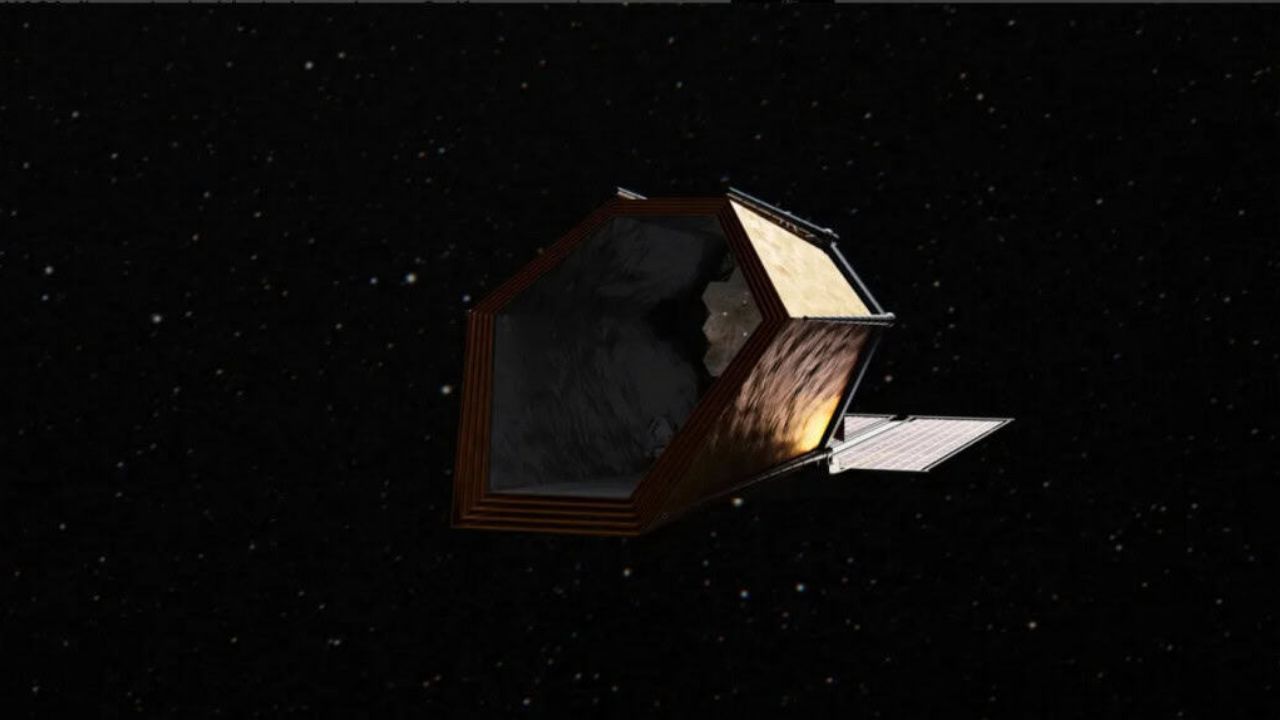
The agency has not yet presented the final design of the robots that could service the HWO. Nevertheless, the concept under study envisions machines capable of performing functions that, on Hubble, were carried out by astronauts. This includes handling modules, replacing equipment, and performing planned corrections.
The possibilities under analysis include:
- replacement of scientific instruments;
- exchange of internal components;
- technical adjustments during the mission;
- support for possible partial assembly in space;
- installation of more modern sensors in the future.
The definition of these resources will depend on the project’s progress and the technical decisions made in the upcoming stages.
Hubble serves as a reference, but not as a complete model
Hubble demonstrated that a space telescope can continue producing science for decades when it receives maintenance. During its operation, astronauts replaced computers, substituted gyroscopes, installed instruments, and made structural repairs.
John Grunsfeld, former NASA astronaut, explained to Space.com that Hubble was planned from the start with modular systems. According to him, this choice allowed for the removal of old equipment and the installation of new ones during service missions.
For the HWO, the idea of modularity remains relevant. The difference is that access to the systems should be compatible with robots, not with human teams working on-site. The mission of the Habitable Worlds Observatory will be linked to the investigation of Earth-like planets.
For this type of research, more sensitive instruments can make a difference over time. New sensors, analysis tools, and optical technologies could enhance the HWO’s capability after launch. This possibility is one of the reasons NASA is discussing maintenance from the initial phase.
A telescope that can receive upgrades during the mission tends to better keep up with scientific evolution, especially in an area where new observation techniques may emerge over the years.
NASA project is still in the initial phase
Several points of the HWO remain unresolved. The agency has not yet defined which robotic system will be used, which parts of the telescope can be replaced, or if there will be any assembly stage in space. What is already indicated as guidance is the need to avoid an observatory without technical access after launch.
Therefore, the future HWO should be designed with an architecture prepared for remote maintenance. This decision could be decisive in extending the telescope’s operational time and increasing the amount of data obtained in the search for habitable planets.
By planning the HWO in this way, NASA is trying to unite two priorities: investigating worlds that might resemble Earth and creating an observatory capable of evolving as this search progresses.
With information from Olhar Digital


