Portuguese
  Spanish


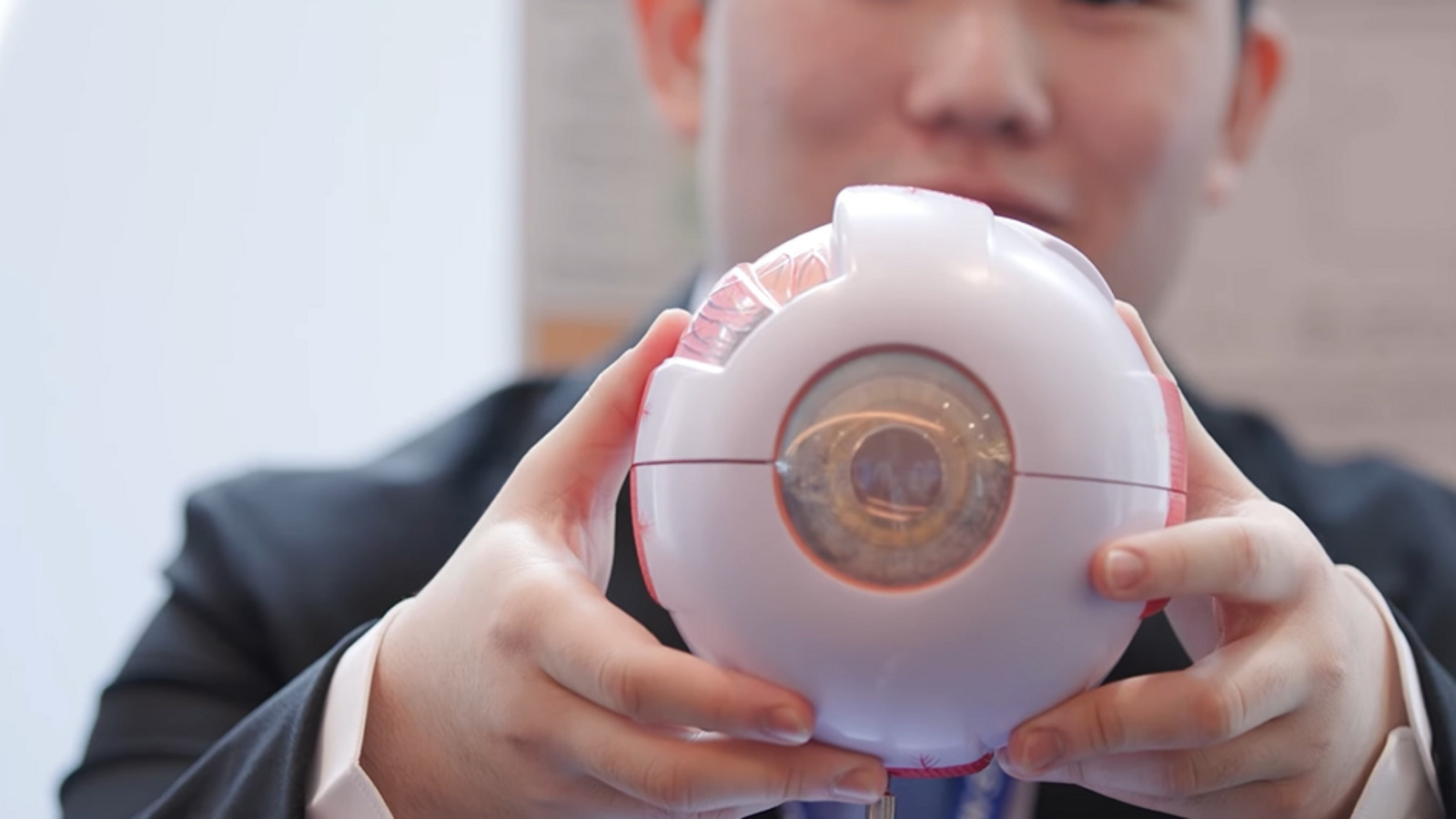

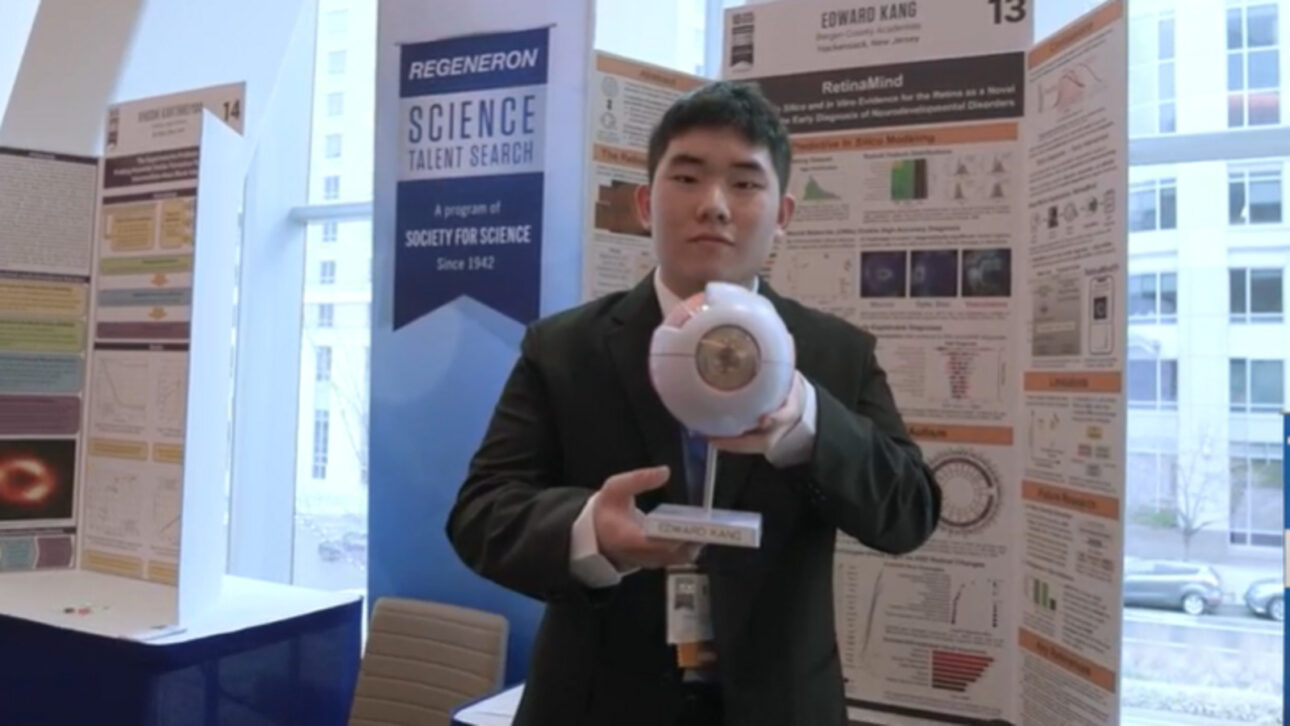
Created by Edward Kang, 17 years old, RetinaMind analyzes retina images, indicates autism or ADHD, and received a $175,000 prize in a scientific competition in the United States
RetinaMind, an artificial intelligence tool created by student Edward Kang, 17 years old, uses retina images to indicate signs of autism and ADHD with about 89% accuracy. The project, developed from scientific studies and machine learning techniques, received a $175,000 prize in the United States.


RetinaMind was born from research on eyes and brain
Three years ago, Edward Kang was looking for scientific articles for a school project when he found a study from the Chinese University of Hong Kong on the use of retina images in diagnosing autism.
The idea caught his attention by linking two areas that, at first glance, seem distant: the eye and the brain. Today, Kang is in his final year of high school at Bergen County Academies in Hackensack, New Jersey.
-
Abandoned Building in Brazil to Become Biotechnology Unit with $10 Million Investment, Bridging Science, Industry, and Public Health

-
Netherlands Builds Giant 240-Meter Inflatable Barrier That Rises to Protect Cities from Storm Surges

-
Brazilian Submarine Robot “FlatFish” Operates Independently at 3,000 Meters Depth to Inspect Seafloor Pipelines Without Support Vessels
-
Eufy Unveils Omni S2: Advanced Robot Vacuum with 30,000 Pa Suction, Self-Cleaning Mop, AI Obstacle Avoidance, 12-in-1 Station, and Built-In Fragrance Dispenser


From that study, the teenager decided to create an improved version of the model. The result was RetinaMind, an AI tool aimed at diagnosing autism spectrum disorder and attention deficit hyperactivity disorder.
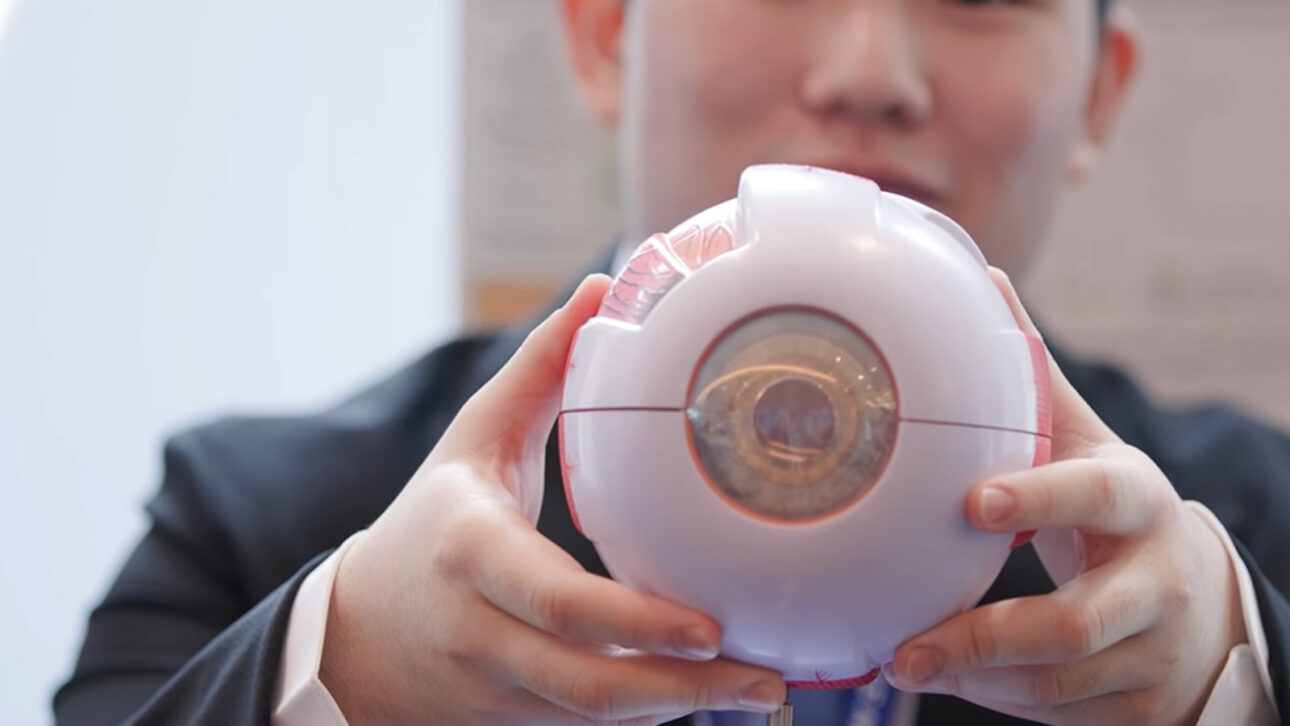
AI analyzes subtle patterns that doctors cannot see alone
The operation of RetinaMind starts with a retina image. The tool analyzes the image and provides confidence percentages for three possibilities: neurotypical patient, autism, or ADHD.
According to Kang, the diagnosis with the highest confidence index becomes the model’s official result. The tool also generates a heat map of the retina, highlighting in red the regions that most influenced the prediction.
The system uses computational models capable of combining very subtle patterns of the retina. These differences can be too complex to be visually recognized by doctors in an isolated analysis.
Researchers have already identified average differences in the retinal structures of people with autism or ADHD, including the length, thickness, and depth of the macula, the retinal nerve fiber layers, and other regions.
These characteristics can be detected by tools such as optical coherence tomography, known as OCT.
The challenge is that the differences are small and overlap with the range considered normal in neurotypical individuals.
Early diagnosis of autism is the main focus of the project
The autism spectrum disorder affects 1 in every 54 children in the United States, according to the consulted material. ADHD affects nearly seven million children in the country.
Paul Lipkin, a pediatrician specializing in neurodevelopment at the Kennedy Krieger Institute and a professor of pediatrics at Johns Hopkins Medicine, explains that autism and ADHD are neurologically based conditions linked to unusual or problematic behaviors or skills.
Currently, without physical exams to diagnose autism and ADHD, professionals use developmental and behavioral assessments, such as DSM-5, ADOS, and Conners Rating Scales.
Kang states that he hopes RetinaMind will help make diagnoses earlier. The idea is to allow for earlier treatments and improve the quality of life for patients with autism and ADHD.
Model evolved from a simple neural network to biological analysis
To develop the project, Kang learned programming and machine learning fundamentals on his own, using tutorials and online courses.
The first version of the model was a basic convolutional neural network, or CNN, inspired by the initially found study. This model served as a comparison point for more advanced versions.
Later, Kang added ADHD to the system. For him, a diagnostic tool needs to differentiate specific disorders, not just separate neurotypical individuals from those with autism.
The student also applied ensemble learning, a technique where several models receive the same retinal image and produce predictions. Then, the results are combined, which can make the performance more reliable.
Since the end of 2024, Kang has also been investigating the biological mechanisms behind differences in the retina. He uses autism cell models to study genes that may be linked to these changes.
In his research, he identified a dozen candidate genes. One of them is ABCA4, associated with a protein linked to retinal detoxification.
Invention received a prize of US$ 175,000
RetinaMind won second place in the 2026 Regeneron Science Talent Search, a science, technology, engineering, and mathematics competition for high school students in the United States.
As a result, Kang received US$ 175,000. The award recognizes students with ideas aimed at solving global challenges.
Maya Ajmera, president and CEO of the Society for Science, stated that the project stood out for combining artificial intelligence with laboratory biology. According to her, the proposal unites computational sophistication and biological depth.
Despite its potential, Lipkin warns that autism and ADHD are behavioral and developmental conditions rooted in the brain. For him, retinal differences may not be specific to these disorders, but to broader neurological conditions.
Kang acknowledges this limitation. Currently, the model indicates generic diagnoses of autism or ADHD. The next goal is to train the system to distinguish mild, moderate, and severe degrees within the spectrum.
This article was prepared based on information provided about Edward Kang, RetinaMind, Regeneron Science Talent Search, Society for Science, Kennedy Krieger Institute, and Johns Hopkins Medicine, with data, numbers, and statements preserved as per the consulted material.