






 Portuguese
  Spanish


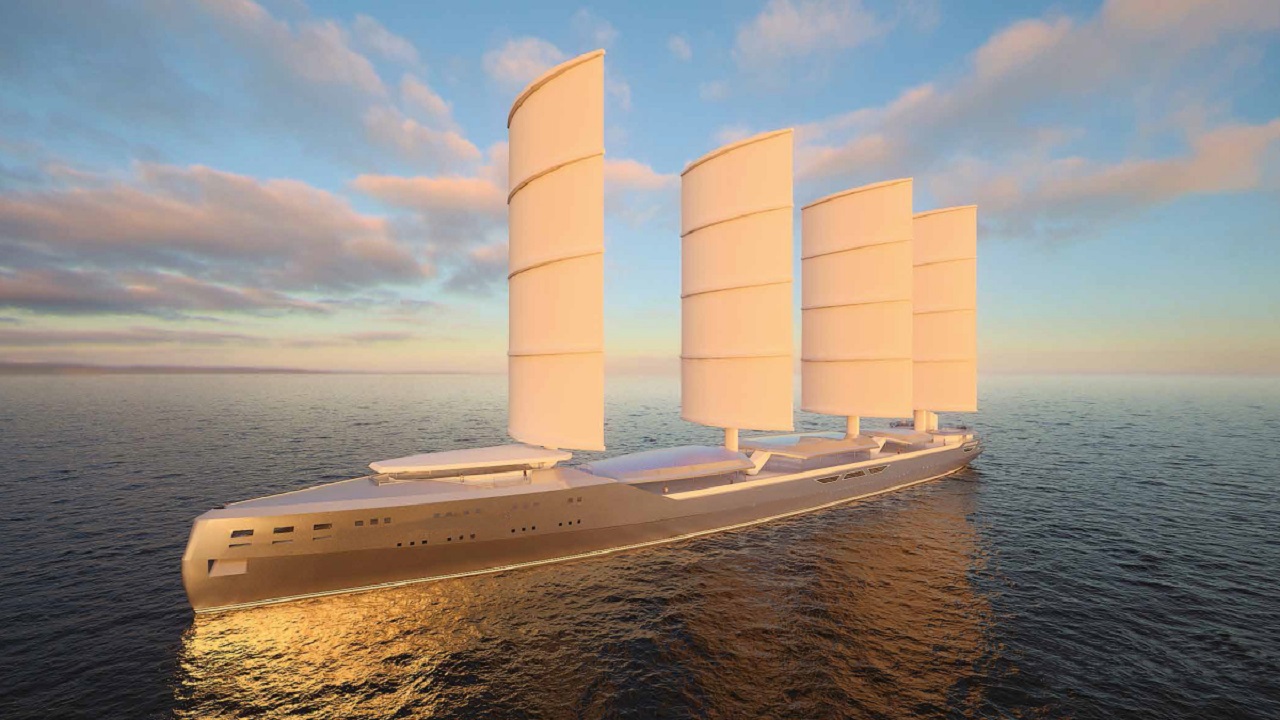

The Ship Market in Cargo Transport Is Innovating, Such as the Case of Ceiba, a Cargo Ship That Uses Clean Energy to Recharge Its Batteries and Aims to Be the Largest Ship in the Renewable Industry
Named Ceiba, which comes from the scientific genus of tropical trees like rubber trees and ceiba, the cargo ship from the startup Sailboat, which plans to innovate naval cargo transport, will self-proclaim itself as the “largest clean energy cargo ship” when it is ready in 2023. There’s still a lot to discuss about this claim, but it is a serious commercial project and already has a client. The clean energy cargo ship measures 46 meters in length, which would be an incredible record during Cabral’s time, but not so much at the end of the 16th century. The cargo transport capacity of 250 tons already falls short of Vasco da Gama’s 750 tons, which arrived in India in 1498.
Read Other Related News
Startup Works with the Conviction That Ceiba Will Be Considered the Largest Clean Energy Cargo Ship

In terms of advancements, the sail area of Ceiba, with three masts, aims to make better use of the winds, allowing it to move with very gentle winds and maneuver better with computer control.
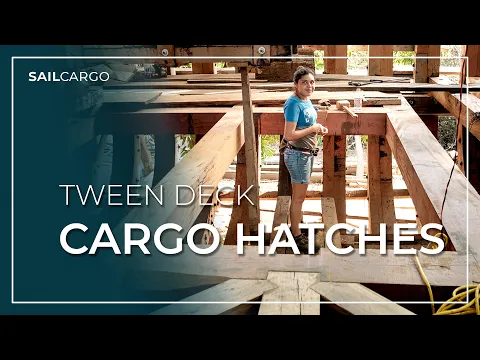
Previously, there were also no electric motors like those on the new cargo transport ship, which has batteries charged by solar energy and also regeneratively, through the movement of a propeller when the cargo ship is propelled only by the sails. The clean energy vehicle is being developed in Costa Rica, using reforested wood.
-
Fired during apartheid and with a little borrowed money, an electrician started with a borrowed truck and transformed electrical services into a group connected to energy, real estate, and infrastructure in South Africa.

-
Wood has ceased to be just a construction material in Yale research and has become insulation for electrical transformers that face intense heat, aging, and increasing pressure from the renewable energy-powered grid.
-
More than 1,000 residents of a remote island in Kiribati now have clean water and electricity with solar systems operated by the community itself.
-
They exchanged the idea of a large house for a 35 m² warehouse, spent US$ 12,000 on the structure, and created a tiny house in Colorado with space to live and work.




In the future, other cargo transport vessels from Sailboat may use biofuel, which is generated from algae and hydrogen. The vehicle’s first challenge will be to transport coffee for a company in Montreal, Canada, Café William Spartivento, which imports its products mainly from Colombia.
Cargo Ship: The Triumphant Return of Sails in Cargo Transport
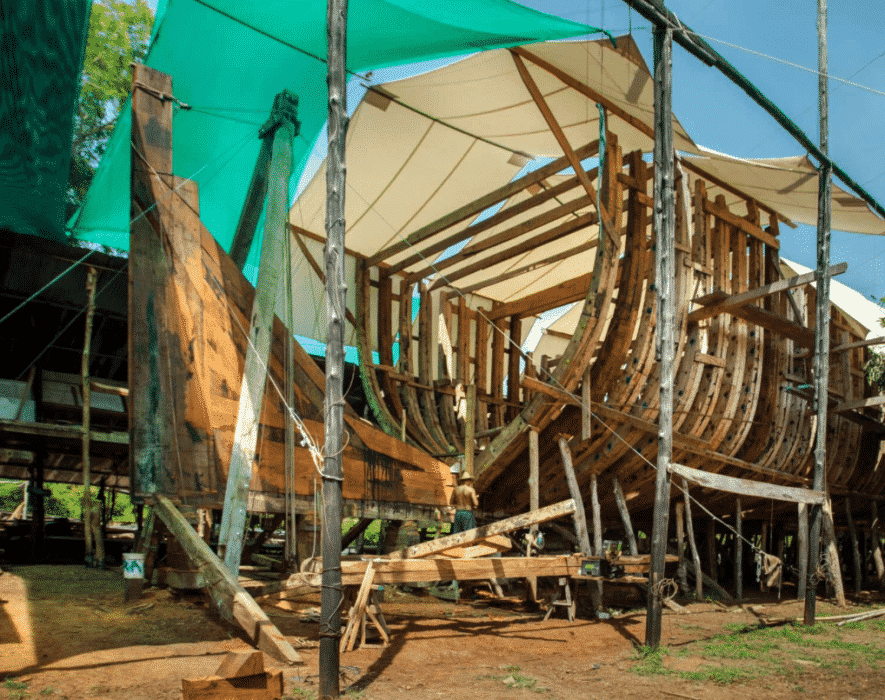
The Ceiba cargo ship is a small start, and it is not new that the return to the use of sails is seen as a likely solution for cargo transport, which, if it uses bunker fuel, fossil and low quality, is extremely polluting.
Experts have pointed out that the ship is not as grand as it appears; the last sailing cargo ships had five masts, were longer than 140 meters, and had a capacity of up to 8,000 tons, reaching speeds of 39 km/h when winds were favorable, and generally reached an average cruising speed of 28 km/h.
The largest cargo ships in the world today, the Evergreen Class A container carriers, do not boast such superior speed. Their cruising speed reaches 42 km/h, but in return, they are much larger, measuring up to 400 meters in length and capable of carrying at least 235,000 tons in containers.
The last cargo transport ships that used sails were in service until World War II, covering extremely long distances, such as from Australia to Europe, where the fuel savings compensated for the longer duration of the journey.








