






 Portuguese
  Spanish
  3 min of reading
  0 comments


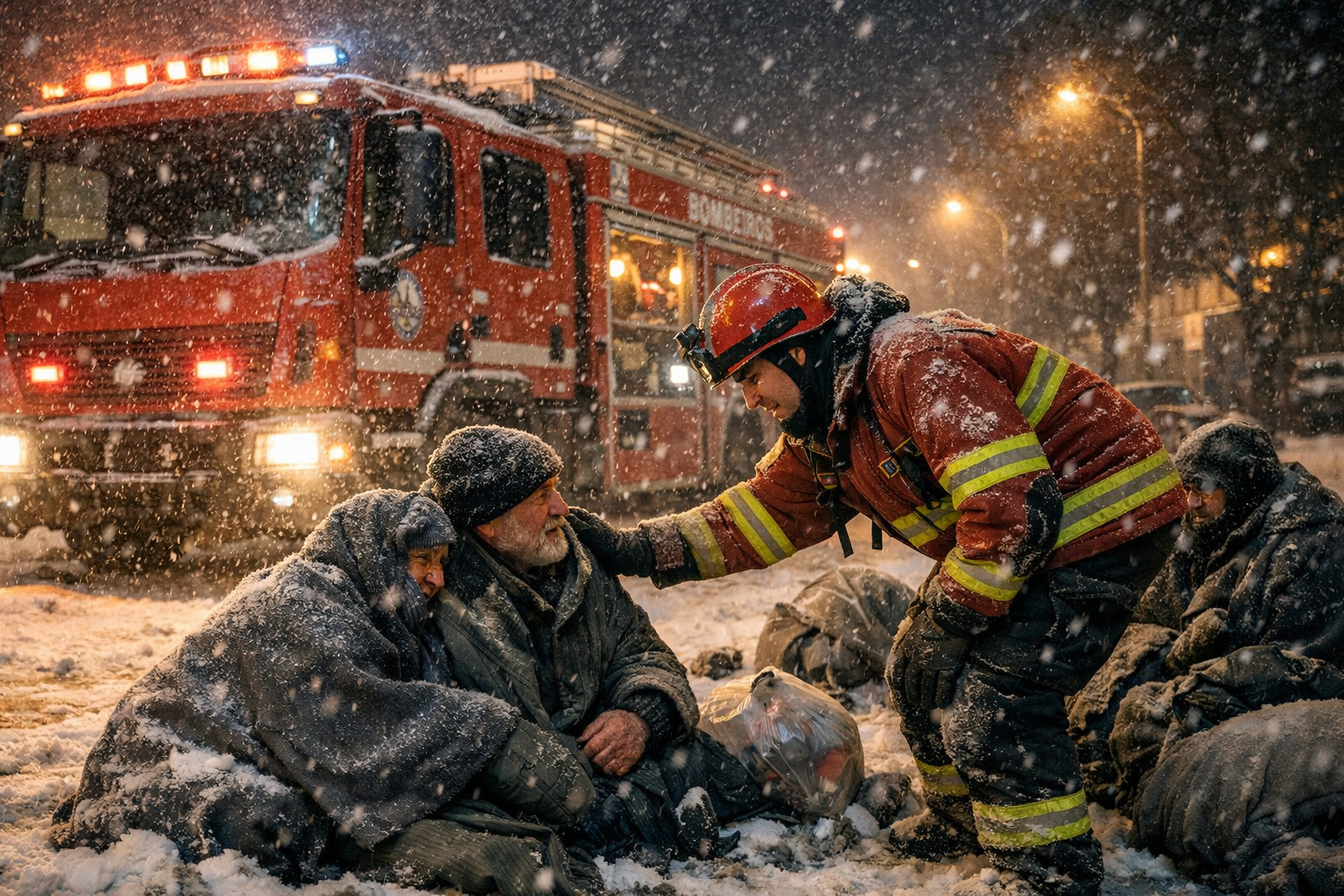
A Historic Blizzard has hit much of the United States in recent days, causing a scene of destruction, paralysis, and extreme cold that has already resulted in 21 deaths. Additionally, authorities warn that temperatures are expected to continue to drop, with figures that may approach 20 °C below zero, further increasing risks to the population.
Although winter events are common in various regions of the country, the intensity of this storm drew attention for its territorial reach, the volume of accumulated snow, and the direct impacts on infrastructure, transportation, and power supply.
Cities Paralyzed, Up to 40 cm of Snow, and Rare Scenes in New York
In New York, the largest city in the United States, the scene amazed residents and experts. The Hudson River was covered with huge ice plaques, a sight considered rare even by local standards. Additionally, security cameras recorded Times Square, one of the busiest postcards in the world, being overtaken by snow in just a few hours.
-
Survivor of 1966 SS Daniel J. Morrell Shipwreck in Lake Huron Recounts 38-Hour Ordeal in Extreme Cold

-
The Greatest Hoax in World Cup History? The Film That Denied Brazil’s 1958 Victory and Exposed How Fake Evidence Can Seem Convincing on TV
-
Fake South Korean Online Stores Offer Shopping Thrill Without Spending Money or Receiving Products
-
The War of Jenkins’ Ear: How a Severed Ear Sparked One of the 18th Century’s Most Unusual Conflicts


In some areas of the city, the snow accumulation reached 40 centimeters, which emptied streets, interrupted services, and completely altered urban routines. Many bus lines ceased operations, and due to dangerous conditions, authorities urged the population to stay home whenever possible.
Although the blizzard has already passed in some regions, the cold remains a concern. Forecasts indicate that temperatures are expected to continue falling, approaching –20 °C, which increases the risk of hypothermia, domestic accidents, and power outages.
Storm Hits 17 States, Cancels 20,000 Flights, and Leaves 1 Million Without Power

The Impact of the Phenomenon Was Not Limited to New York. The storm hit 17 states, home to over 200 million Americans, spreading snow on such a scale that it could be observed from space through satellite images.
In the airline sector, the effects were immediate. About 20,000 flights were canceled since the onset of the blizzard, causing disruptions at airports across the country. In the state of Maine, a plane crashed shortly after takeoff, resulting in the deaths of seven people. One crew member survived but remains in serious condition.
Furthermore, the extreme cold and accidents caused by the weather conditions directly contributed to the increase in fatalities. In various parts of the country, temperatures plummeted in regions that normally do not experience such harsh winters, such as New Mexico and Texas.
As a consequence, about 1 million people were left without electricity, facing additional difficulties to keep warm amid dangerously low temperatures.
Extreme Cold Also Generates Unusual Scenes and Mobilizes Acts of Solidarity
Despite the gravity of the situation, the blizzard also created curious and even charitable moments. In New York, visitors to the Central Park witnessed an unexpected spectacle: snowboarding maneuvers performed by Olympic Champion Shaun White, who was visiting the city.
Meanwhile, in Boston, residents improvised skiing sessions on the streets, being pulled by cars through the accumulated snow. In the state of Oklahoma, the extreme cold sparked gestures of empathy. Ryan, the owner of a fire truck, left his home to help people in homelessness.
According to him, the decision was a matter of survival. “I needed to get people out of the cold with –28 °C, because I myself wouldn’t survive in those conditions. So I am offering shelter to those on the streets,” he reported.
Authorities Maintain Alert for the Coming Days
The information was disclosed by international outlets and reinforced by local authorities, who continue to monitor the situation. According to official data, although the main storm has weakened in some areas, the intense cold is expected to persist in the coming days, keeping the risk high, especially for vulnerable populations.
Meteorologists warn that extreme events like this are expected to become more frequent, requiring urban planning, resilient infrastructure, and rapid responses to reduce human and economic impacts.
Meanwhile, millions of Americans continue to deal with frozen streets, interrupted services, and temperatures that challenge the limits of the human body.
With increasingly extreme weather events, do you believe that cities are truly prepared to face this type of winter in the future?





-

-

2 people reacted to this.