






 Portuguese
  Spanish
  6 min of reading
  0 comments


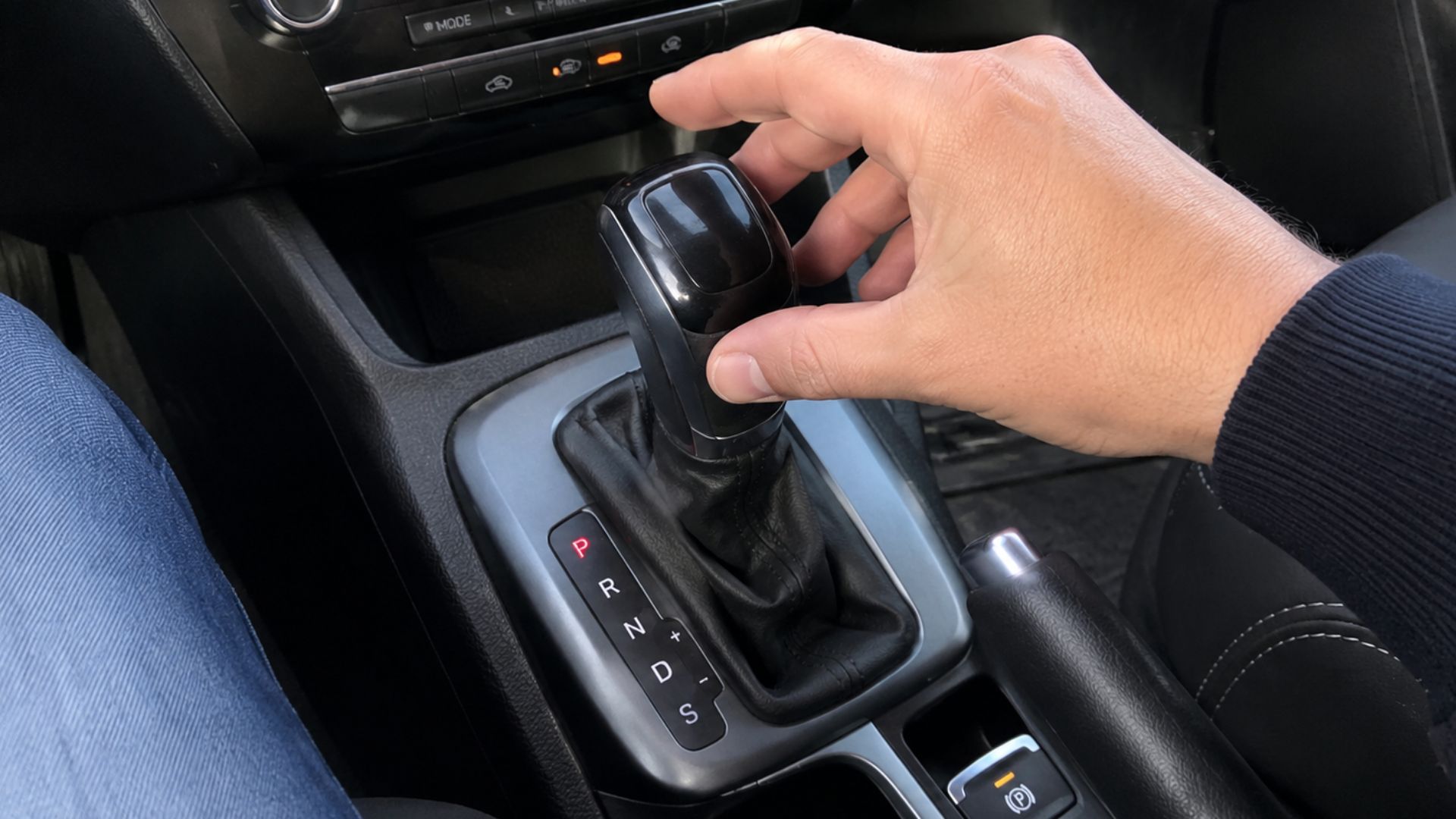
Automatic transmission requires attention to the parking sequence, especially on ramps and inclined garages, to reduce stress on the transmission. Jerks, clicks, and resistance in the lever may indicate that part of the vehicle’s weight is supported on the transmission’s internal lock.
Parking an automatic car involves more steps than just stopping, moving the lever to the P position, and turning off the engine, according to instructions in manufacturers’ manuals regarding the use of the parking brake.
When the sequence is done without this care, part of the vehicle’s weight can be transferred to internal components of the transmission, especially on ramps, inclined garages, and streets with some unevenness.
According to manufacturers’ instructions, the parking brake should help keep the vehicle immobilized before the transmission’s internal lock is subjected to the car’s load.
-
Survivor of 1966 SS Daniel J. Morrell Shipwreck in Lake Huron Recounts 38-Hour Ordeal in Extreme Cold

-
The Greatest Hoax in World Cup History? The Film That Denied Brazil’s 1958 Victory and Exposed How Fake Evidence Can Seem Convincing on TV
-
Fake South Korean Online Stores Offer Shopping Thrill Without Spending Money or Receiving Products
-
The War of Jenkins’ Ear: How a Severed Ear Sparked One of the 18th Century’s Most Unusual Conflicts


In such situations, the driver may notice jerks, clicks, or resistance when removing the lever from the P position at the next start, signs associated with stress on the parking mechanism.
Since the symptom does not always appear immediately, many drivers repeat the same routine without relating the effort on the lever to how the vehicle was previously parked.
With frequent use, this practice can increase the demand on parts related to the transmission’s parking mechanism, although the intensity of wear varies according to model, use, and vehicle condition.
P position does not replace the parking brake
In automatic transmissions, the P position, for Parking, activates an internal mechanism known as the parking lock, responsible for blocking the movement of the transmission assembly when the vehicle is stopped.
This component helps prevent the car from moving after being parked, but manufacturers’ manuals also recommend using the parking brake as part of the immobilization procedure.
According to manufacturers’ instructions, the driver should use the parking brake and confirm that the vehicle is immobilized before leaving it parked.
The risk of stress on the transmission increases when the car stops on an incline or decline, because the body may settle a few centimeters after the driver releases the brake pedal.
In this movement, the vehicle tends to encounter resistance in the transmission’s internal lock if the parking brake has not taken on the weight containment before the final selection of P.
Although this displacement is small, it can put a load on the parking mechanism and make it more difficult to remove the lever from the P position the next time the vehicle is used.
When leaving the parking spot, the transmission needs to overcome the accumulated pressure on the lock, a situation that can cause the jolt or click perceived by drivers on ramps and uneven surfaces.
Jolt when leaving P may indicate overload
The dry noise or the feeling of a stuck lever usually occurs when the parking lock is pressed by the weight of the vehicle, especially after stops on inclined places.
The same effect can also appear on seemingly flat surfaces, especially when there are small irregularities on the ground or when the car moves slightly after the brake pedal is released.
Rather than indicating an immediate transmission failure by itself, the symptom serves as an indication that there was stress on the parking mechanism.
The more frequent this condition, the greater the demand on the transmission assembly and the components responsible for locking the stationary vehicle.
Honda has already advised, in the owner’s manual, that in automatic vehicles it is good practice to engage the parking brake before putting the transmission in P, to avoid pressure on the parking mechanism.
Even so, the exact sequence may vary depending on the manufacturer, model, and generation of the vehicle, especially in cars with electronic systems integrated into the transmission and parking brake.
Some modern manuals indicate first selecting the P position and then engaging the parking brake, while certain electronic systems perform part of this process automatically.
Correct sequence when parking an automatic car
In conventional automatic vehicles, a prudent routine begins with the car completely stopped and the foot still pressing the brake pedal, maintaining control of the vehicle before the final immobilization.
Next, the driver should engage the parking brake, whether it is manual, by pedal, by lever, or by electronic button, according to the system installed in the vehicle.
After this step, the practical guidance is to confirm that the car is supported by the brakes before finalizing the procedure with the P position, respecting the recommendations of the owner’s manual.
In many models, this control can be done by keeping the foot on the brake pedal until verifying that the parking brake is engaged and functioning correctly.
Some drivers use the N position, for neutral, before engaging the parking brake and only then move the lever to P, especially when stopping on ramps.
This sequence is mentioned as a way to reduce the chance of the vehicle’s weight being concentrated on the internal transmission lock, especially on inclined locations.
The neutral step, however, should not be treated as a universal rule, because vehicles with electronic brakes, automatic retention, or integrated systems may adopt another operational logic.
When there is a discrepancy between driving habits and technical guidance, the owner’s manual should prevail, as the transmission and parking brake vary according to each design.
Electronic brake requires attention to the dashboard
Newer cars may feature an electronic parking brake and automatic functions that activate the system when selecting P, turning off the vehicle, or opening the driver’s door, depending on the model.
In some Toyota vehicles, for example, the parking brake can operate integrated with the lever, according to the configuration provided for that system.
Even in these cases, the information displayed on the dashboard should be observed, as messages, warning lights, and audible alerts indicate the operating status of the system.
Failures in this system can involve sensors, actuators, electronic modules, or brake components, which prevents treating all automatic vehicles as if they had the same procedure.
When in doubt about the correct sequence, the manufacturer’s guidance should be consulted, as the operating strategy changes according to the transmission, parking brake, and available electronic resources.
The mechanical condition of the parking brake also affects the result, because the system needs to be regulated and functioning properly to keep the vehicle safely stationary.
Unregulated cables, worn pads, unadjusted shoes, or failures in the electronic system may prevent it from holding the car as it should, transferring effort back to the transmission.
Daily habit can increase transmission wear
Relying solely on the P position, especially on hills, garage ramps, and uneven parking lots, can make the transmission assume a function that should be shared with the brake system.
In these scenarios, the parking mechanism starts to receive part of the vehicle’s load, while the parking brake should act to keep the car immobilized.
Changing the routine does not require tools, immediate expense, or advanced technical knowledge, but depends on attention to the sequence indicated for each model by the manufacturer.
The general procedure consists of coming to a complete stop, keeping the car controlled by the brake pedal, engaging the parking brake, and completing the immobilization according to the manual’s guidance.
When leaving the parking spot, care should also be taken to avoid unexpected movements or unnecessary strain on the transmission and brake system.
The driver should press the brake, start the vehicle when necessary, select the appropriate gear, and release the parking brake only when ready to move the car.
If the lever tends to lock, the car jerks strongly when leaving P, or noises appear recurrently during the maneuver, a technical evaluation can identify wear, misalignment, or failure in the system.
This verification becomes more important when the symptoms appear even on a flat surface, as the repetition of the problem may indicate a condition not solely related to the slope of the location.
The P position is part of the automatic transmission operation, but it should not be treated as a substitute for the parking brake in situations described by manufacturers.
The system tends to work with less effort when each system performs its intended function: the brakes help keep the vehicle stationary, while the transmission remains less exposed to the load of the parked car.





Be the first to react!