






 Portuguese
  Spanish


High In The Andes, A Colossal Lake Defies Common Sense: Vessels Navigate At Full Altitude, Where Ancestral Legends And Floating Communities Remain Alive
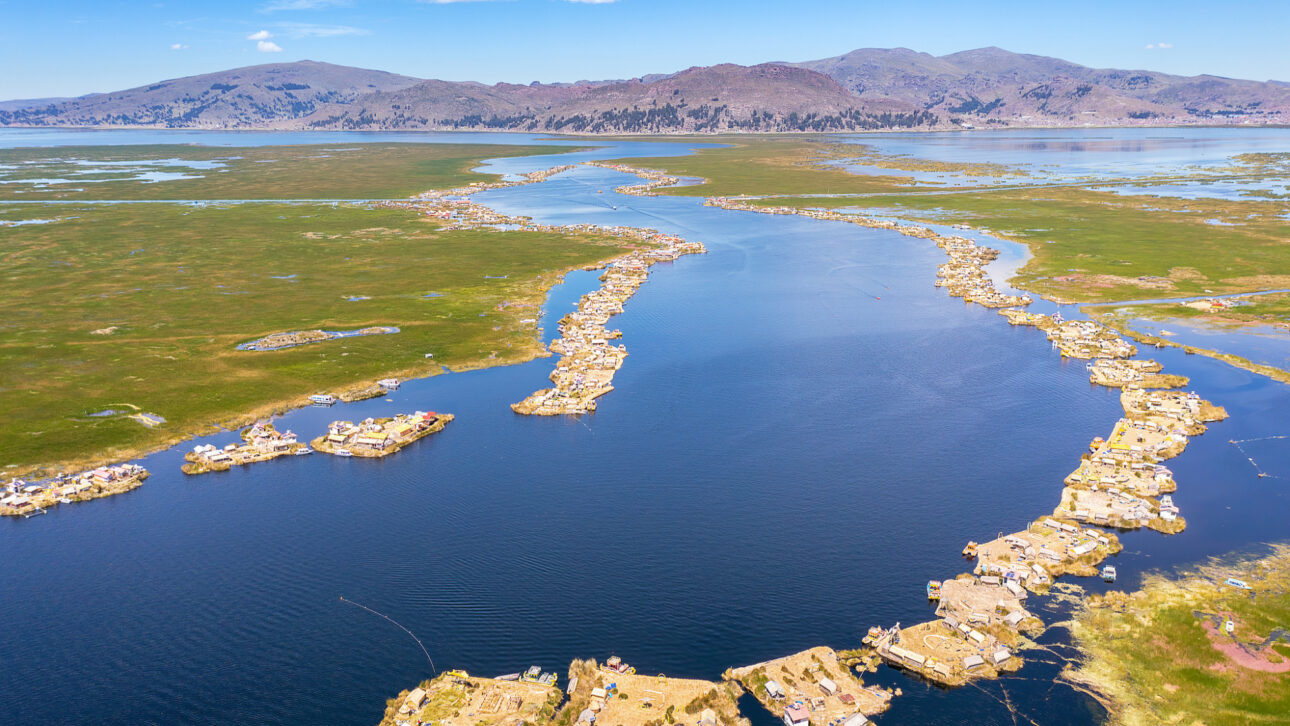
Imagine crossing a lake in the high plateau, surrounded by snow-capped mountains, at nearly 4,000 meters above sea level. Lake Titicaca, between southern Peru and western Bolivia, is not only the highest navigable lake in the world — it is a space where physics, spirituality, and survival coexist daily. But this balance, which has lasted for millennia, is at risk like never before.
A Mirror Of Water That Touches The Sky
The Titicaca Lake is located at an altitude of 3,812 meters above sea level and covers an area of over 8,300 km², larger than the Federal District and the state of Sergipe combined. It is considered the largest lake in South America by water volume and the second by surface area, surpassed only by Lake Maracaibo (Venezuela), which is technically a lagoon.
Shared by Peru and Bolivia, the lake is navigable by both modern boats and totora rafts, an aquatic plant that grows abundantly along its shores and has been used for centuries by indigenous peoples. According to Luis Paredes, a professor at the Universidad del Altiplano de Puno, “Lake Titicaca is more than a water resource; it is a symbol of identity and cultural continuity for Andean peoples.”
-
Award-Winning Japanese Restaurant Reveals It Has Preserved Part of the Same Frying Oil for 66 Years

-
American Youth Transforms from Severe Obesity to U.S. Air Force Enlistment, Losing 90 Kilograms in Two Years
-
11-Year-Old Entrepreneur Sells 60 Homemade Sweets Daily, Mastering Cost Calculation, Social Media Promotion, and Client Negotiation Since Age 7

-
Peruvian Mountain’s 5,200 Aligned Holes May Unveil Ancient Indigenous Market for Corn and Cotton


Cradle Of The Inca Empire
According to the most well-known legend of the Inca Empire, it was from Lake Titicaca that Manco Cápac and Mama Ocllo, the children of the Sun God, emerged to later found the city of Cusco and the largest pre-Columbian empire in South America.
This mythological dimension is not just symbolic. The lake is surrounded by archaeological sites and islands that preserve pre-Hispanic traditions. In Taquile and Amantaní, indigenous communities live sustainably, offering accommodation and food to visitors interested in what is known as “experiential tourism”, a more responsible alternative to mass tourism.
Unique Biodiversity Threatened
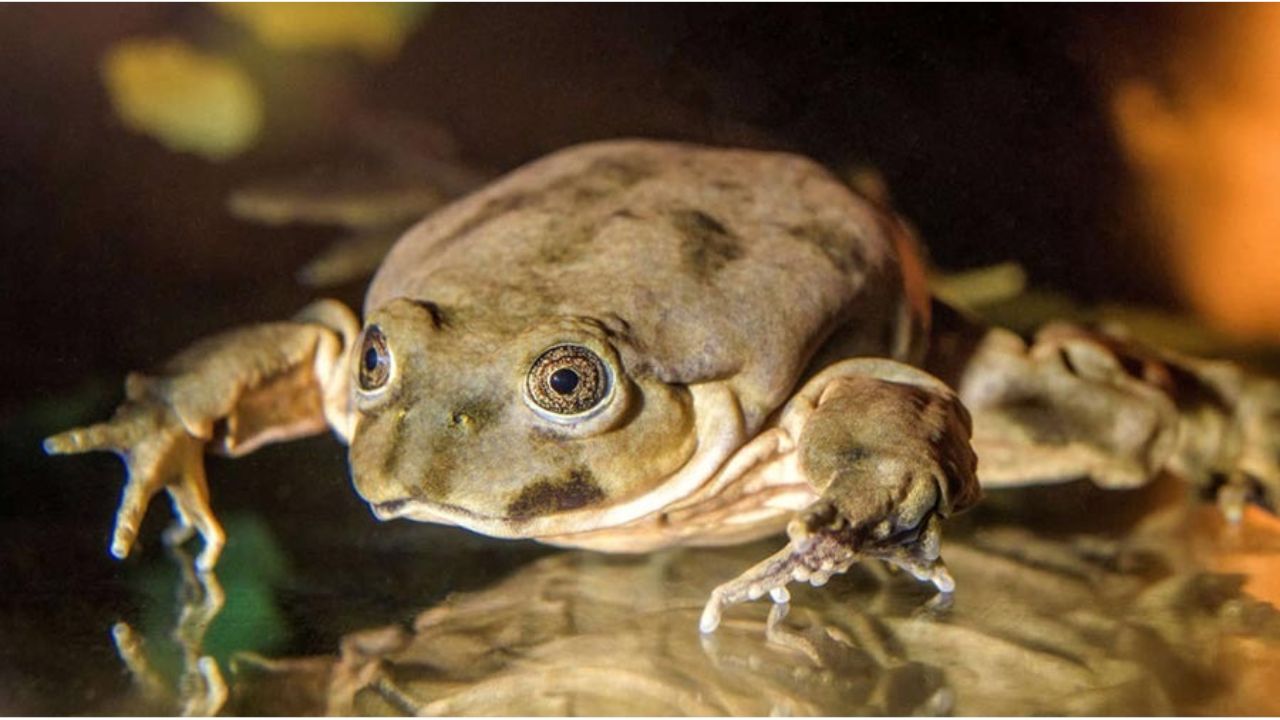
In addition to its cultural and historical value, Titicaca is home to one of the most unique freshwater ecosystems on the planet. The giant Titicaca frog (Telmatobius culeus), for example, is an endemic species that can reach 50 cm in length and breathes almost exclusively through its skin.
There are also rare species such as the karachi fish and the diving duck, along with dozens of migrating birds that use the lake as a stopping point. However, studies by the Universidad Mayor de San Andrés (Bolivia) warn that more than 70% of the lake’s fish are contaminated with heavy metals such as mercury and lead.
According to a report by BBC Mundo, the main source of contamination comes from untreated urban waste, illegal mining, and domestic sewage dumped directly into the waters — primarily on the Peruvian side, where the city of Puno, with over 140,000 inhabitants, significantly contributes to pollution.
Floating Communities And Cultural Resistance
One of the biggest attractions of the lake is the floating islands of the Uros, made with interwoven layers of totora. There, entire families live, maintaining ancestral practices such as spearfishing, building vegetable boats, and crafting artisanal goods.
Despite seeming like an exotic tourist attraction, the Uros face serious social and environmental issues, such as food insecurity, lack of access to health care, and declining water quality. In an interview with Deutsche Welle, resident Rosenda Quispe stated: “Before, the water was pure, and we could drink it straight from the lake. Now, we can only use it to wash clothes. We are even afraid to cook with it.”
Still Timid Protection Initiatives
In 2023, the governments of Peru and Bolivia announced the creation of a binational rescue plan for Lake Titicaca, with measures such as the construction of sewage treatment stations, reforestation of the shores, and control of tourism activities. However, implementation is still slow and limited.
According to the Ministry of the Environment of Peru, more than 60% of the sanitation projects planned for the Titicaca basin have yet to be realized. Meanwhile, the lake’s temperature is gradually rising, compromising the reproductive cycle of fish and the livelihoods of riverside populations.
A Warning For All Of Latin America
The ecological collapse of Titicaca would not only be an environmental loss: it would be a cultural, social, and even economic disaster. According to a report by the UN Environment, “the deterioration of freshwater ecosystems like Titicaca directly affects water, food, and climate security in the Andean region.”
In times of global environmental crisis, Titicaca represents a microcosm of what could happen to other regions of Latin America if concrete measures are not taken. It is a call to protect not just a lake, but an entire civilization that still pulses upon its waters.


