Portuguese
  Spanish


With International Investment and Job Creation, the Bioceanic Route Works in the Paraguayan Chaco Are Gaining New Momentum, Bringing the Dream of a Road Corridor Connecting Brazil, Paraguay, Argentina, and Chile Closer.
The works of the Bioceanic Route between Mariscal Estigarribia and Pozo Hondo, in Paraguay, are ongoing at an intensified pace since April, after a period of slowdown caused by frequent rains at the beginning of the year.
Now, with extended shifts and teams distributed across different sections, the paving execution is accelerating in what is considered one of the most important logistics projects on the South American continent.
The road, which will extend over more than 220 km within Paraguayan territory, will be essential to facilitate the transport of goods between the Atlantic and Pacific, reducing logistics costs and bringing markets closer.
-
Proper Cement Mix Extends Plaster Durability, Prevents Early Detachment, and Reduces Home Structural Risks

-
Brazilian Researchers Develop Plant Fiber Cement Absorbing 100 kg of CO2 per Cubic Meter, Aiming for Low-Carbon Construction

-
Brazil’s Largest Sewage Plant Boosts Capacity with New High-Performance Pumps, Treating Over 1 Billion Liters Daily
-
Brazilian Mother and Homemaker Becomes Bioconstructor, Builds 24-Ton Earth Dome and Teaches Technique Across Argentina
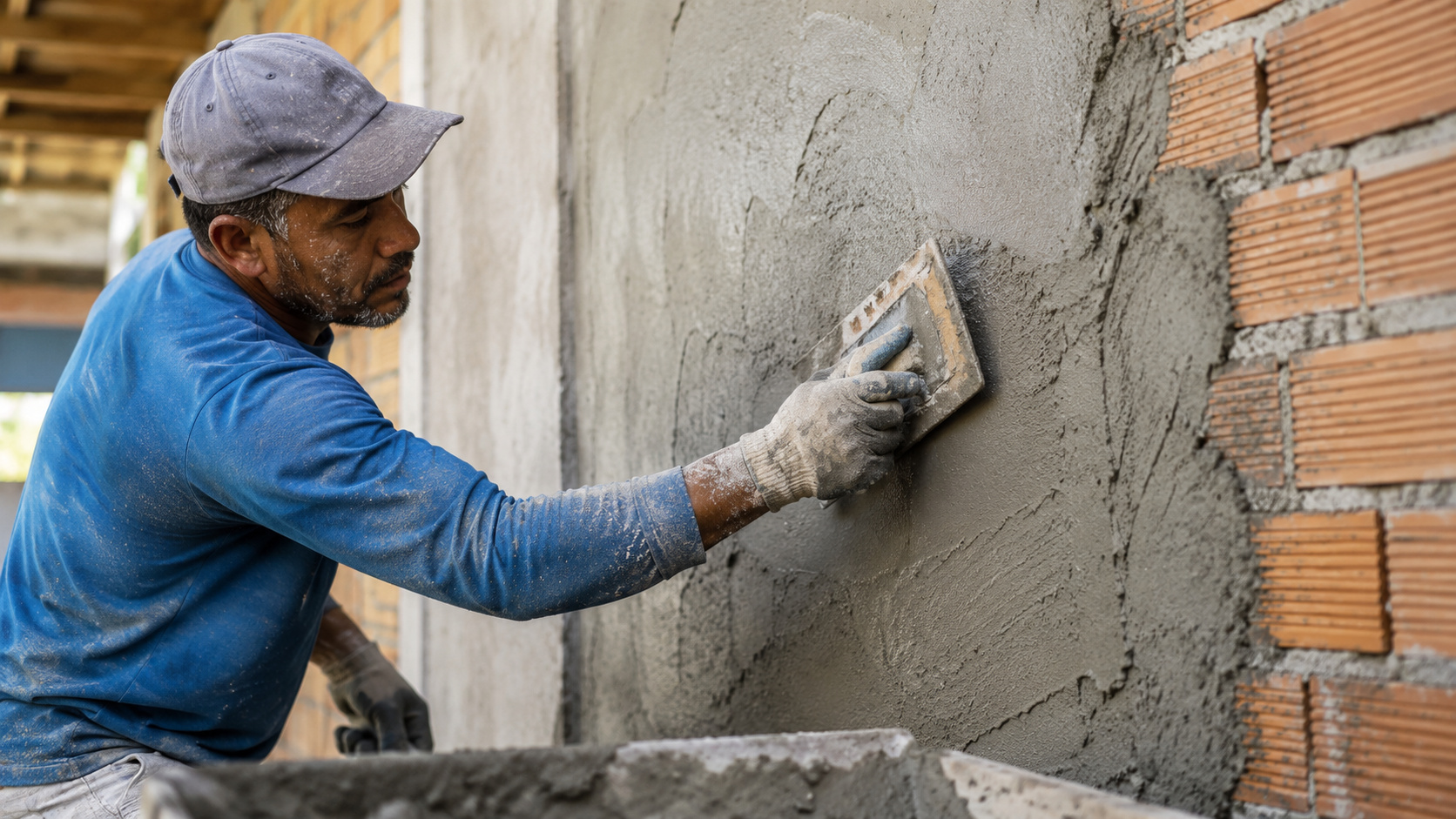


The construction site is already active with interventions such as earthworks, foundation construction, and fence installation.
Jobs and Regional Development as Part of the Project
The impact of the works goes beyond infrastructure. Approximately 200 direct jobs are currently being created, with a significant portion of the workforce coming from local communities, fostering socioeconomic development in previously isolated regions.
According to estimates from the Paraguayan government, more than 40,000 people are expected to benefit directly from the new road, while another 225,000, in cities like Loma Plata, Villa Hayes, Neuland, and Carmelo Peralta, will feel the positive effects of greater connectivity and access to new markets and services.
International Investment and Commitment to the Environment
The financing of the Bioceanic Route is made possible through Fonplata, with each lot budgeted at approximately 669 million guaraníes.
Lot 4, for example, is under the responsibility of the TCR Consortium and supervised by specialized technicians from the Chaco Consortium.
Alongside the physical advancement of the works, the Paraguayan government has initiated a pioneering environmental compensation policy.
Certificates of Environmental Services (CSAs) are being acquired, which compensate landowners who maintain their forest areas preserved. surgaslot
The contract, lasting more than three years, follows international standards and positions the project as an example of sustainable infrastructure.
Bioceanic Route: A New Logistics Axis in South America
When completed, the Bioceanic Route will be a strategic alternative for the flow of agricultural and industrial production between the oceans, reducing the current international transport journey by thousands of kilometers.
Moreover, the works are part of a larger plan for regional integration that is set to transform the commercial dynamics of South America.
This road corridor will not only shorten physical distances but also bring economies closer and expand opportunities for regions historically distanced from major logistics hubs.