






 Portuguese
  Spanish


Chinese Giant Bets on Technology and Partnership with Renault to Dominate the Brazilian Electric Vehicle Market
The Chinese automotive market, the largest in the world, is becoming increasingly competitive. BYD, a major global reference, recorded impressive numbers in 2024, with 4.27 million electrified vehicles sold, an increase of 41% compared to the previous year. However, it was Geely that truly shone in early 2025, exceeding expectations with an impressive growth of 43% in January, selling 198,544 units, according to the website O Antagonista.
Now, the automaker is preparing for a new challenge: to enter Brazil with full force!
What Drives Geely’s Success?
Geely has been making its mark in the global market thanks to a combination of technology innovation, sophisticated design, and aggressive expansion strategies. Its most popular models, such as the Xingyue L (Monjaro) and the Xingyuan, lead sales in China, reflecting consumer preference for technological and efficient vehicles.
-
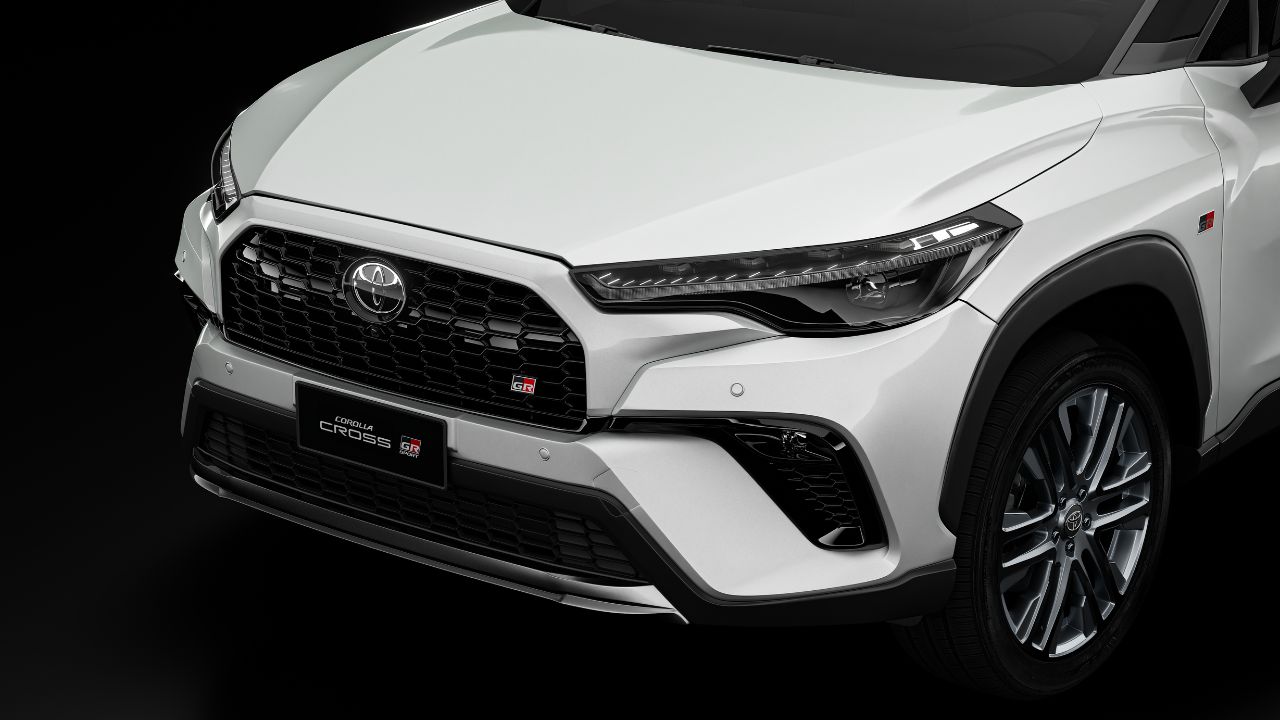
2027 Toyota Corolla Cross Unveiled: New Design, Enhanced Fuel Efficiency, Reduced Maintenance Costs, Advanced Technology, Connected Services, and Up to 10-Year Warranty

-
Fiat Cronos Precision 2018: Affordable Sedan with Spacious Trunk and Reliable Maintenance
-
Volkswagen to Cut Production by 1 Million Cars by 2030, Reducing Jobs and Platforms, Focusing on More Profitable Models

-
Toyota Launches First 100% Electric Car in Brazil: bZ4X with 343 HP, All-Wheel Drive, 361 km Range, Priced at $419,990 BRL, Limited to 99 Units



✅ Key Factors for Geely’s Growth:
✔ Innovative and technological models, such as the Xingyue L and Xingyuan
✔ Strong presence in the electrified vehicle segment
✔ Strategic partnerships with major global brands
✔ Focus on design and comfort, attracting new consumers
In addition, Geely benefits from the growing demand for electric and hybrid vehicles, a sector in which the company has been investing heavily.
Geely’s Strategy to Dominate Brazil and Compete with BYD
Geely confirmed its entry into the Brazilian market in the first half of 2025 and has already outlined a strategic plan to accelerate its expansion.
The automaker has established a partnership with Renault to utilize its dealer network in Brazil. This means that Geely vehicles will be sold and distributed with the support of Renault’s established infrastructure, ensuring greater reach and technical support for customers.
The agreement also outlines the possibility of local production at the Renault plant in Curitiba, which would reduce costs and make Geely’s models even more competitive in the Brazilian market.
✅ What to Expect from Geely in Brazil?
✔ Launch of competitive hybrid and electric models
✔ Renault dealer network boosting sales
✔ Possible national manufacturing to reduce prices and taxes
✔ Strong alternative to BYD and other Chinese automakers
The Future of Geely in the Global Market
The expansion to Brazil is just one more step in Geely’s strategy to dominate the global automotive market. The company is focused on developing increasingly sustainable, innovative, and connected vehicles, as well as investing in new technologies to remain competitive.
With strategic partnerships and a diversified portfolio, Geely positions itself as a direct competitor to BYD and other automakers leading automotive electrification. If the strategy in Brazil is successful, the company could consolidate itself as a powerhouse in the electrified vehicle sector in Latin America.








