





 Portuguese
  English
  Spanish
  4 min of reading
  0 comments



A New Law Could Transform Brazilian Traffic by Offering Discounts on Tolls for Vehicles Carrying More Than Three People. The Proposal Aims to Encourage Ride Sharing, Reduce Congestion, and Contribute to Sustainability. If Approved, the Measure Promises Savings and Environmental Improvements. But Will It Really Go Beyond Paper?
Have you ever thought that sharing rides could provide not only companionship but also significant savings in your pocket?
This idea, which seems revolutionary for Brazil, is at the center of a bill that could transform traffic and drivers’ habits on highways across the country.
But will the proposal have the strength to come to fruition and positively impact the lives of Brazilians? Discover all the details of this potential change in the following lines.
-
For the economist José Kobori, the USA gained a trump card to “blackmail” Brazil and undermine China’s influence by classifying the PCC and Comando Vermelho as terrorists, increasing the power to pressure companies, banks, and even Pix.

-
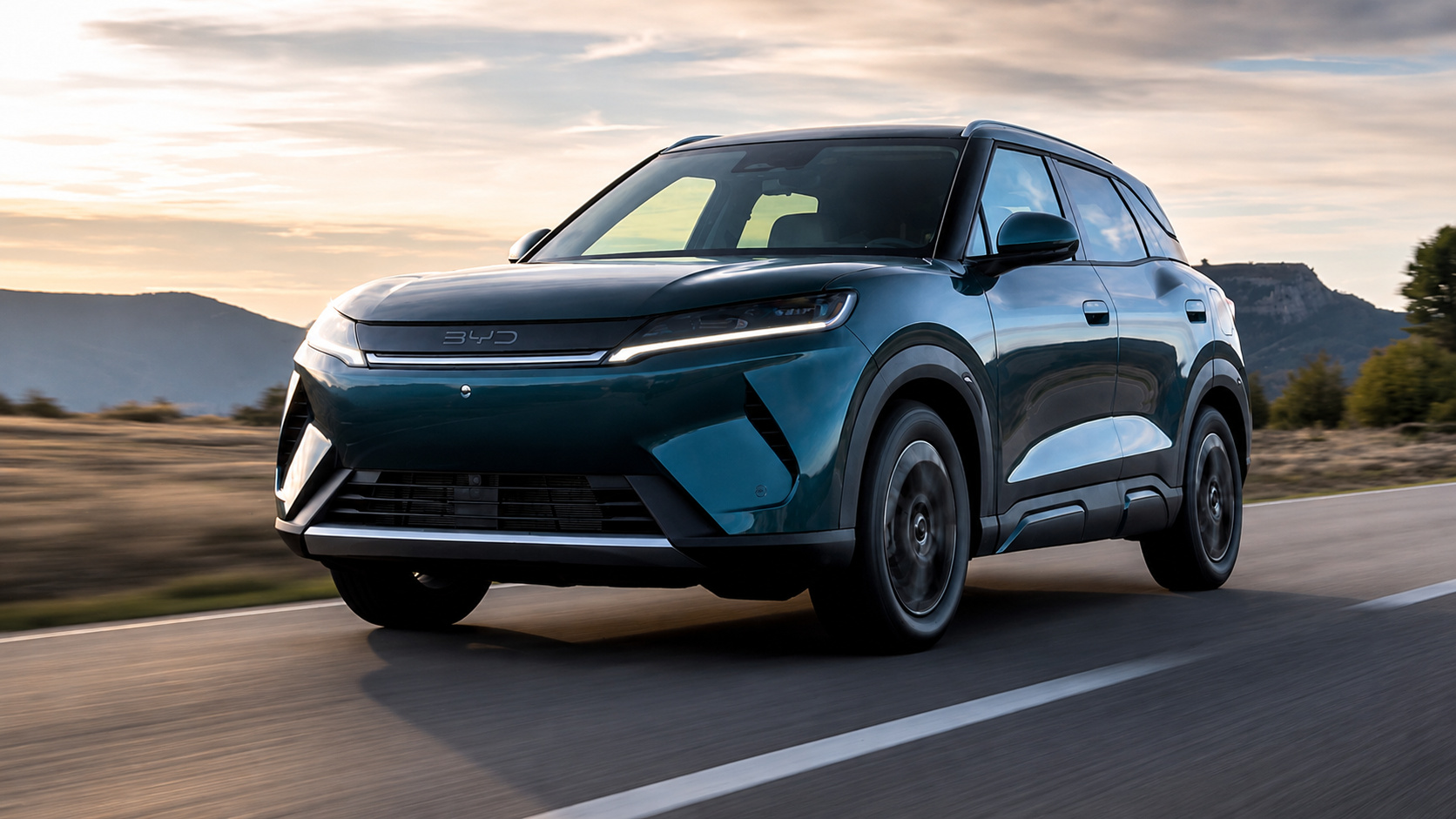
BYD Atto 2 DM-i flex prepares to debut in Brazil with a plug-in hybrid engine, national assembly in Camaçari, competitive pricing, and targets Creta and T-Cross in a battle that promises to heat up the compact SUV market.

-
The paycheck that seemed impossible: São José employee receives R$ 7.94 after legal strike, while deductions by the City Hall affect over a thousand employees and become a target of inquiry in the City Council.
-
With only R$ 50 in his pocket and a dream, the 26-year-old Tocantins native Willian Gomes left Tocantins and has already cycled over 4,000 kilometers towards Ushuaia, at the southern tip of Argentina, without accepting a single ride in eight months.



What Does the Bill Say?
The initiative comes from Deputy David Soares (União-SP), who presented the Bill 4.630/23.
The text proposes that highway concessions include clauses that offer discounts on tolls for vehicles with a higher number of occupants.
In summary, those transporting at least three people in their car may pay less to cross the toll plazas.
The main points of the proposal include:
- Progressive Discounts: Vehicles with more than three passengers may benefit from reduced rates.
- Environmental Impact: The measure aims to stimulate the shared use of vehicles, decreasing the number of cars on the roads and, consequently, pollutant emissions.
- International Reference: Similar measures are already in place in countries like the United States, where exclusive lanes for cars with multiple passengers, known as “hot lanes,” have shown positive results in reducing traffic.
This initiative not only has the potential to alleviate congestion but also encourages a cultural shift by promoting resource sharing.
Why Could Ride Sharing Help Traffic?
Brazil faces significant challenges related to traffic.
Congested highways, especially during peak demand periods like holidays, cause delays, increase fuel consumption, and elevate drivers’ stress levels.
Reducing the number of cars on the road could be an effective solution to these problems.
Moreover, a lower number of vehicles on the roads reduces the risk of accidents and contributes to improved air quality.
According to experts, the concentration of pollutants emitted by vehicles is one of the main factors leading to environmental degradation in urban and peri-urban areas.
Savings for the Pocket and for the Environment
The proposal also presents financial advantages. Drivers who adopt ride sharing can split costs with their passengers, reducing spending on tolls and fuel.
The initiative encourages a practice that is already common in ride-sharing apps but could now gain traction on Brazilian highways.
Additionally, by reducing the number of vehicles, there is less wear and tear on the roads, which could imply lower maintenance costs for the government and concessionaires.
Next Steps of the Project
Bill 4.630/23 has already passed through the House of Representatives’ Commission on Transportation and Traffic. The next step will be analysis by the Committee on Constitution, Justice, and Citizenship (CCJ).
After this stage, the bill will go to vote in the plenary, and if approved, it will be sent to the Federal Senate.
Despite the progress, there are still issues that need to be debated, such as the exact value of the discount and the criteria to prove that the vehicle meets the requirements for the benefit.
These points will be defined throughout the legislative process.
Inspiring International Examples
The idea of offering incentives for cars with higher occupancy is not exclusive to Brazil.
In the United States, “hot lanes” have proven to be an effective tool for reducing traffic in major urban centers.
In these countries, the benefits range from reducing congestion to saving time for drivers who adopt the measure.
Another interesting example comes from Canada, where discounts on tolls and exclusive lanes for ride-sharing are already part of public mobility policies in some regions.
These actions have also contributed to environmental awareness, encouraging drivers to adopt more sustainable habits.
The Challenges for Implementation in Brazil
Although the proposal is promising, implementing the measure in Brazil may not be so simple. Among the challenges are:
- Supervision: How to ensure that vehicles are indeed carrying the minimum required number of passengers?
- Technology: The need for investments in identification and control systems to prevent fraud.
- Culture: Brazilians will need to adapt to the idea of sharing rides, something that is not yet widely adopted.
Even with these obstacles, experts believe that the project could be a milestone for mobility in the country, especially if accompanied by awareness campaigns and complementary incentives.
Conclusion and Perspectives
The proposal for toll discounts for those traveling with ride-sharing has the potential to transform Brazilian traffic in multiple aspects: less congestion, more savings, and a positive environmental impact.
However, its feasibility depends on detailed debates and acceptance by society.
Do you believe that this measure can truly bring significant changes to traffic in Brazil? Share your opinion in the comments and join the discussion!





Be the first to react!