Portuguese
  Spanish


Former American President’s Proposal to Surcharge Brazilian Products by 50% Could Hinder Orange Juice Exports, Endangering Thousands of Jobs and the Country’s Leadership in the Global Market.
A new protectionist measure could generate an unprecedented crisis for one of Brazil’s main export products. The Trump tax that raises the tax on Brazilian orange juice in the U.S. to 70% is a real threat that arises from former American President Donald Trump’s proposal to impose an additional 50% tariff on Brazilian products. If realized, the measure could practically halt sales to the American market.
The sector, which is a global leader and employs hundreds of thousands of people, already operates with tight margins due to the high production and logistics costs. According to industry specialists, a tax at this level would make operations unsustainable, leaving only 30% of revenue to cover all costs, from the producer in the field to the industry.
The Current Cost to Reach the American Consumer
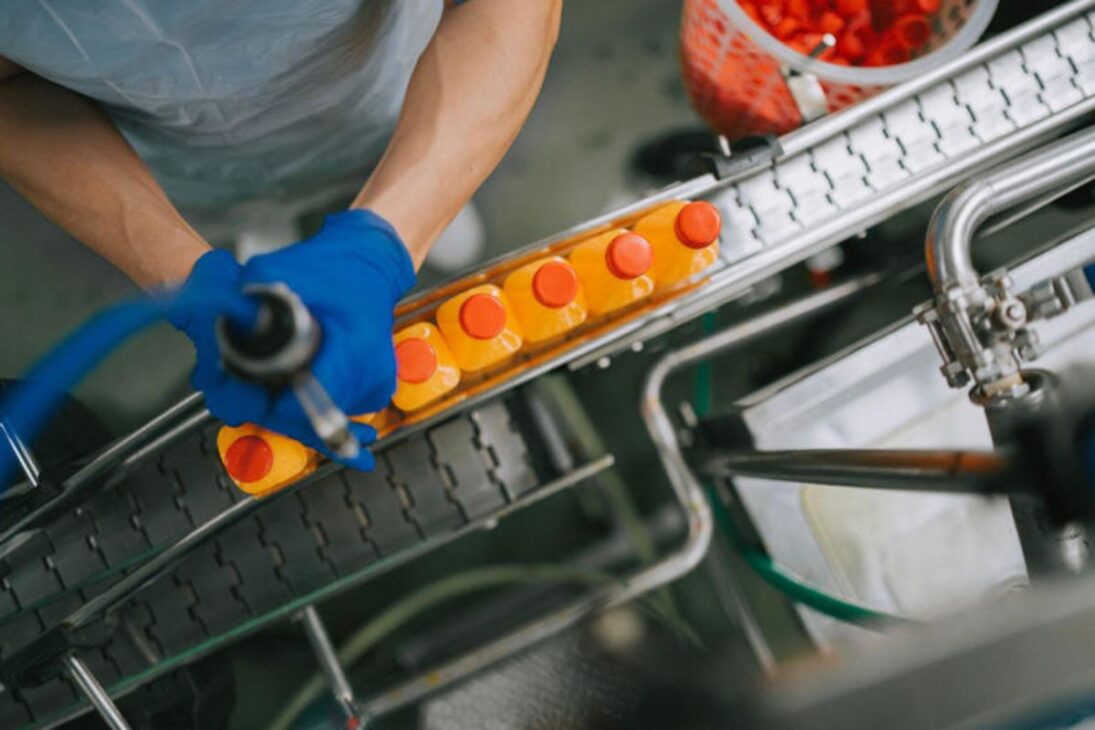
Even before any new tariff, orange juice exports to the United States already face a significant barrier. Currently, Brazil pays a tax of US$ 415 per ton of exported juice, which, in practice, represents between 15% and 20% of the total product value.
-
Toll Fees in São Paulo’s Countryside Drop by Up to 50% Starting Today

-
Petrobras Invests $2.3 Billion in Brazilian Coastal Shipyards, Creating Over 5,000 Jobs and Revitalizing the Naval Industry

-
$2.5 Billion Amazon Potash Mine Aims to Reduce Brazil’s 95% Import Dependency

-
Grendene’s Sales Decline in 2025, but Melissa Brand Surges 36% and Becomes Key Focus


This cost adds up to a highly technological and expensive logistics process. Brazil is a pioneer in a bulk export model, where juice is transported in ships with aseptic nitrogen tanks to ensure it arrives fresh and of quality to the final consumer. All this investment in technology and logistics is essential to maintain competitiveness, but it also puts pressure on production costs.
The Devastating Impact of the New 50% Tariff

Donald Trump’s proposal to add a 50% surcharge would completely change the scenario. Adding to the existing tariff, the total taxes would jump to a level close to 70% of the product’s value.
Ibiapaba Netto, executive director of CitrusBR, an association representing exporters, warns of the seriousness of the situation. “You are left to pay the entire sector, industries, producers, workers, inputs, with only 30% of this total price,” he explains. In other words, the activity would become economically unfeasible, as the small remaining portion of revenue would not be enough to pay for the entire production chain, which goes from the manual harvesting of the fruit to the complex export operation.
A Giant of Agriculture at Risk
The threat posed by the Trump tax that raises the tax on Brazilian orange juice in the U.S. to 70% impacts a sector of immense importance for the Brazilian economy.
Global Leadership: Brazil is responsible for about 75% of all the orange juice consumed in the world.
Job Creation: The citrus chain generates more than 200,000 direct and indirect jobs, mainly in the state of São Paulo and in the Triângulo Mineiro region.
Importance for Small Producers: A large part of the production comes from small and medium-sized farms, which depend on selling the fruit to major exporting industries.
The loss, even if partial, of the American market would have a cascading effect, impacting everyone from the worker in the field to tax collection and the country’s trade balance.
If implemented, the measure fits into a context of strong protectionism and could be used as a pressure tool in trade negotiations. For Brazil, the challenge will be to use diplomacy to protect a strategic and vital sector that has become a model of efficiency and quality worldwide.
What is your opinion on using trade tariffs as a political tool? Do you believe Brazil can reverse this situation? Leave your comment below!